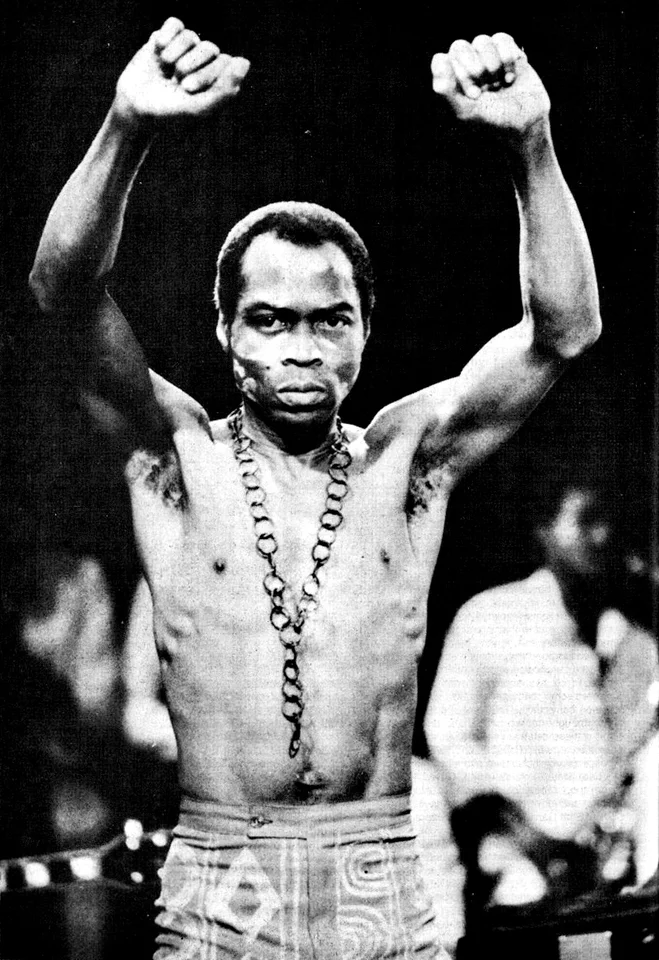
- Fela Kuti received the Rock Hall’s Early Influence honour at the 14 November ceremony.
- The lasting opportunity is to connect international attention with accessible music, credits and cultural history.
- The next generation of cultural projects should leave audiences something useful beyond an awards moment.
Inside this story 2 perspectives
Fela Kuti received the Rock & Roll Hall of Fame’s Early Influence honour at its 14 November induction ceremony in Los Angeles. The Nigerian musician was recognised through a video tribute, according to Associated Press reporting from the event. The award is the immediate news. What audiences and cultural institutions do with the attention is the more interesting story.
For Beyond Business, this is an invitation to think about musical inheritance as something people actively maintain. An international ceremony can introduce a name to new listeners. It cannot, on its own, explain the places, political arguments and creative relationships that made the work possible.
The Hall’s own account identifies Fela as an Afrobeat pioneer who brought together West African music, jazz and soul, and made political confrontation central to his art. It traces his development through Nigeria, London and the United States. He died in 1997. That history offers a richer starting point than a celebrity roll call: artistic originality can grow through exchange while remaining firmly connected to a particular place.
For African creators building international audiences, the useful question is how much of that context travels with the work. A song can cross a border instantly; its credits, history and meaning require care. In our view, the lasting value of recognition lies partly in whether it encourages listeners to explore an artist’s catalogue and understand the community around it.
Keeping the history within reach
There is a practical agenda here for record labels, estates, museums and cultural publishers. Clear credits, accessible interviews, well-described photographs and reliable accounts of recording sessions give future audiences somewhere to go after the headline. Digitising material matters, but so does explaining it. A folder of recordings becomes far more useful when a listener can discover who played, when the music was made and what was happening around it.
A legacy people can experience
The celebration also continues beyond the ceremony. The Regent Theater has scheduled a Fela event for Sunday evening, 15 November, in Los Angeles. Its programme includes Rich Medina’s Jump N Funk and Sacred Noise Unknown, led by Duain Richmond, who portrayed Fela in the Broadway production of FELA!. At publication, that gathering is still ahead; its audience and reception cannot yet be assessed.
The programme nevertheless suggests a valuable editorial distinction. A retrospective honour and a live encounter do different jobs. One records a place in an institution’s history. The other offers people an opportunity to hear, move and gather around the music. Cultural organisations can make room for both without reducing an artist’s legacy to an awards campaign.
For readers, the response need not be complicated. Choose a recording, read its credits and seek out a dependable account of its background. For founders and patrons considering cultural projects, ask what will remain available when the event ends. Fela’s recognition creates a moment of attention. The work now is to turn that moment into a deeper encounter with the music and the history it carries.