The government’s 6 October presentation makes a case for preserving access to domestic finance as it seeks external debt treatment. One group of contracts shows how hard it can be to draw the boundary.
A 6 October agreement between the African Development Bank Group and ODI Global makes room to examine what guarantees and other financing tools actually achieve.
South Africa’s September PMI fell below 50. Domestic customers held back while export orders rose again, leaving businesses with different problems behind the same headline.
Direct trade between the two countries reached R4.3 billion in 2025. Automotive parts show what has to happen before a proposed industrial partnership becomes an order.
Regulators from eight African countries and their lenders examined a practical gap in project finance. Monitoring the promises in an environmental and social plan requires a budget of its own.
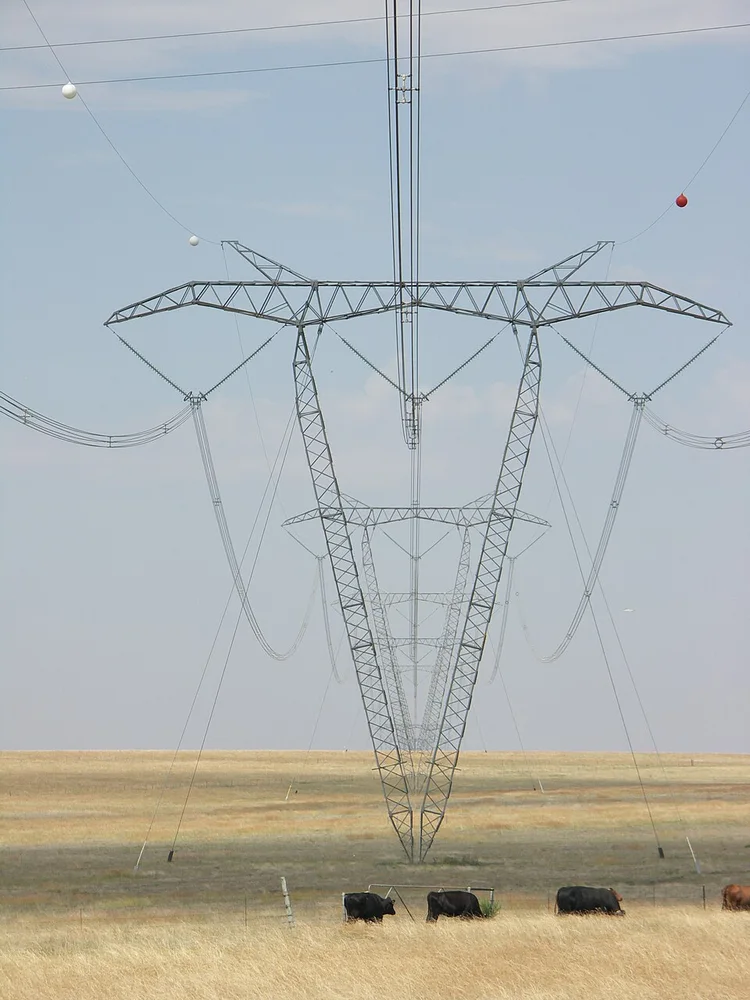
The final request for independent transmission bids is now targeted for the second quarter of 2027. A proposed credit guarantee remains part of what bidders and their lenders must assess.
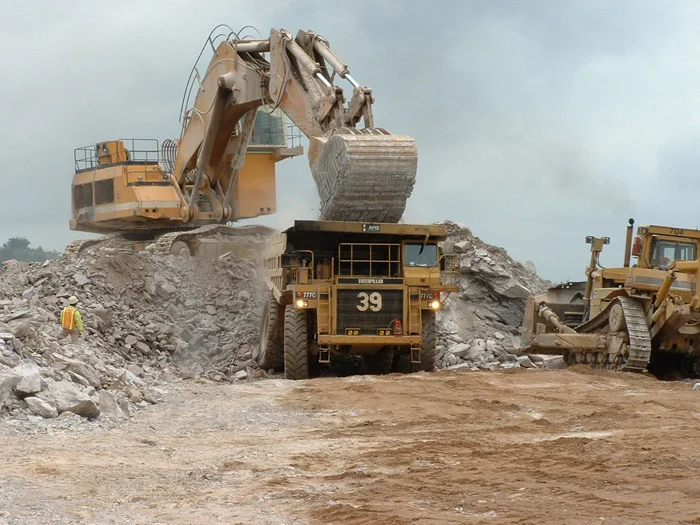
A draft reviewed by Reuters would let the mines minister require a special state share with consent rights over specified transactions. Its proposed lease terms also differ from a government account given in July.
TGI’s proposed purchase of UAC’s 43% stake in DP World Logistics would bring a Nigerian producer and distributor into the ownership of a company that moves goods.
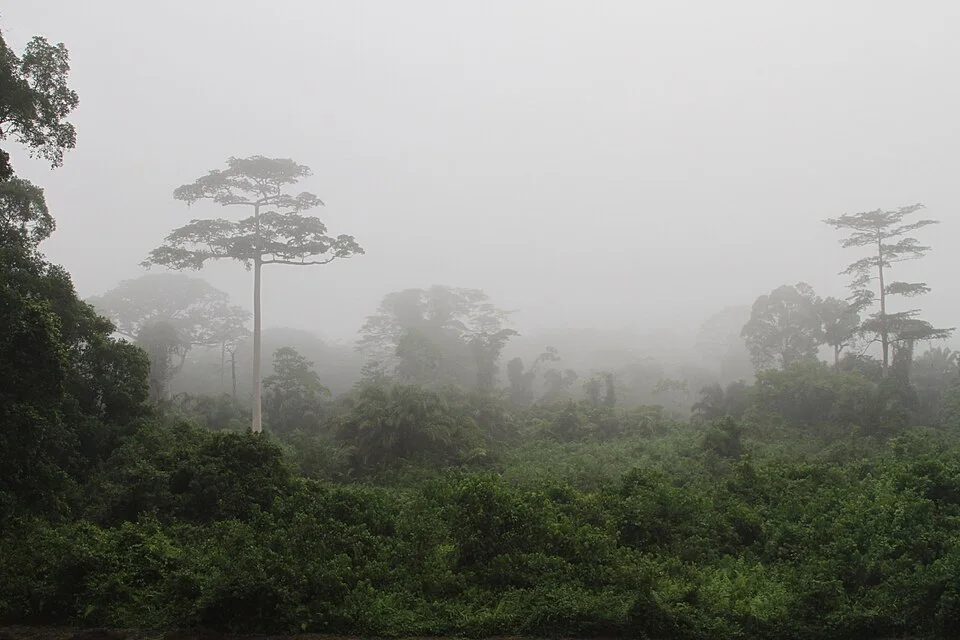
A $24.07 million package couples tree planting with farm production in central Côte d’Ivoire. Much of the financing comes as loans, and the first visible delivery was transport for people working in the field.
A Bank of Ghana statement identifies its second deputy governor as the representative on GoldBod. The timing matters for anyone tracing responsibility for the state gold trader’s decisions.
A Nigerian consortium has agreed to buy Powergas. Its industrial delivery network gives Ardova a starting point for a proposed rollout of 100 refuelling sites.
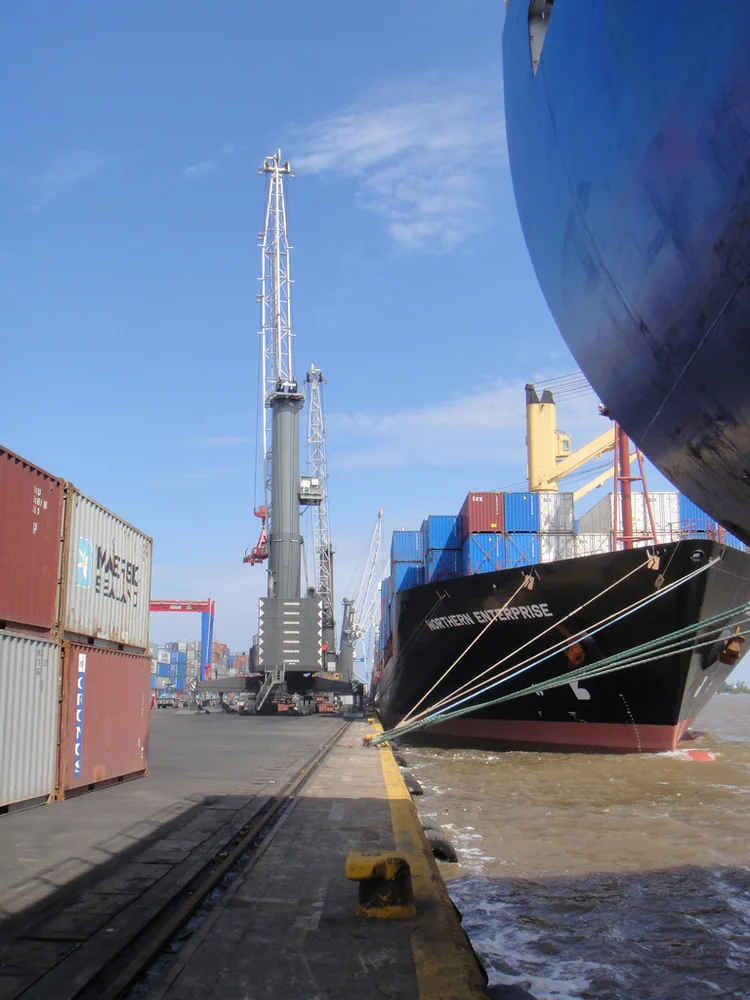
A university agreement signed earlier this year has reached the people who run and use the port. Shore power gives a practical example of what the research partnership will have to establish.
Mercuria and Exergy signed an agreement in Lusaka to finance both power generation and the lines that carry it. Regulatory approvals remain a condition of the financing.
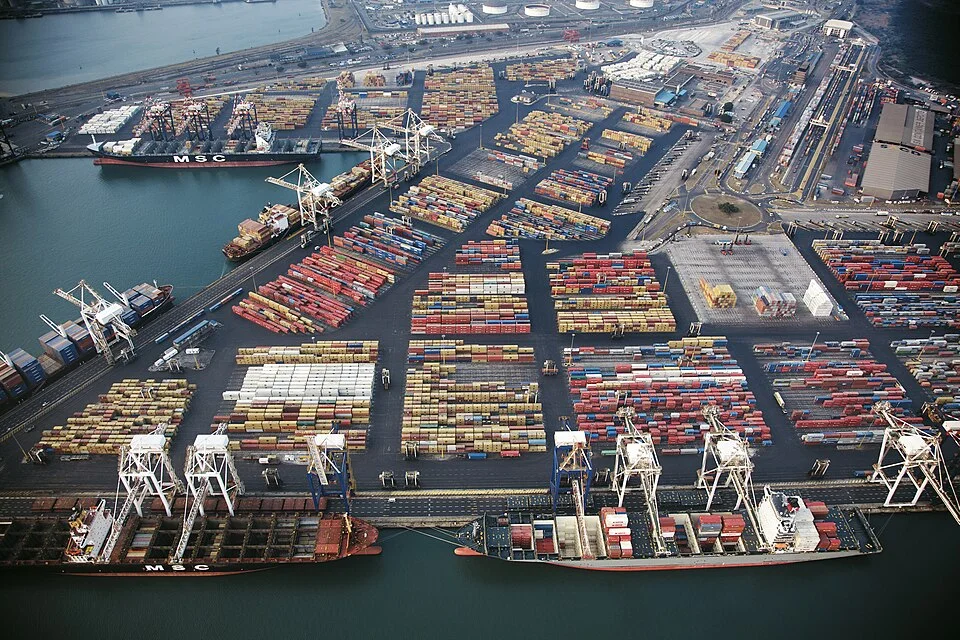
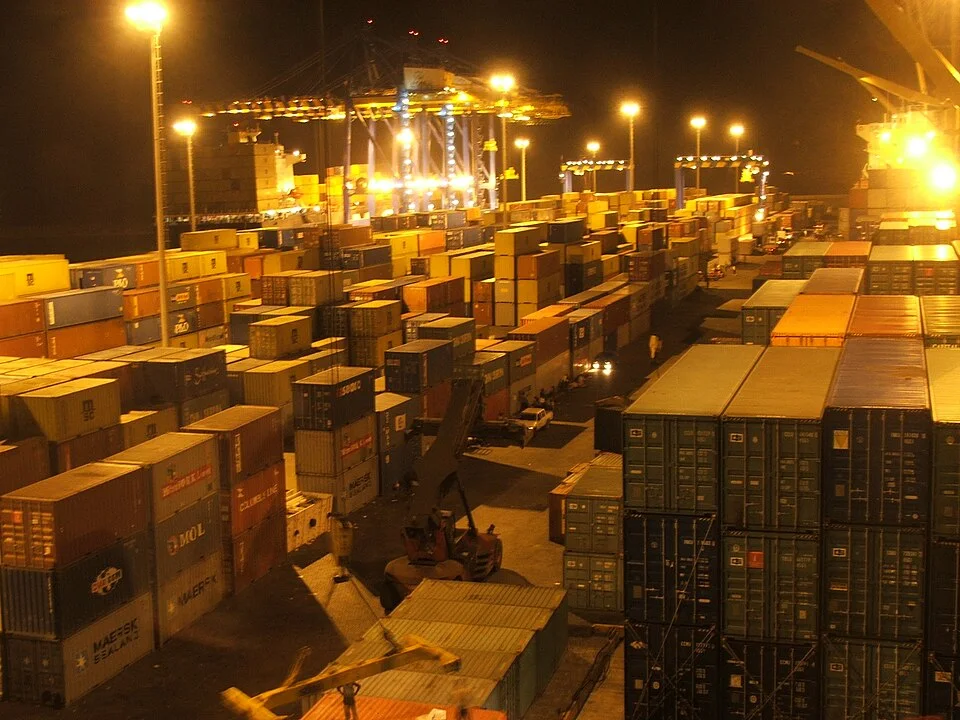
Ghana and the IFC have discussed a short railway around Tema. Its value for regional trade depends on what happens where a container leaves the port and changes hands.
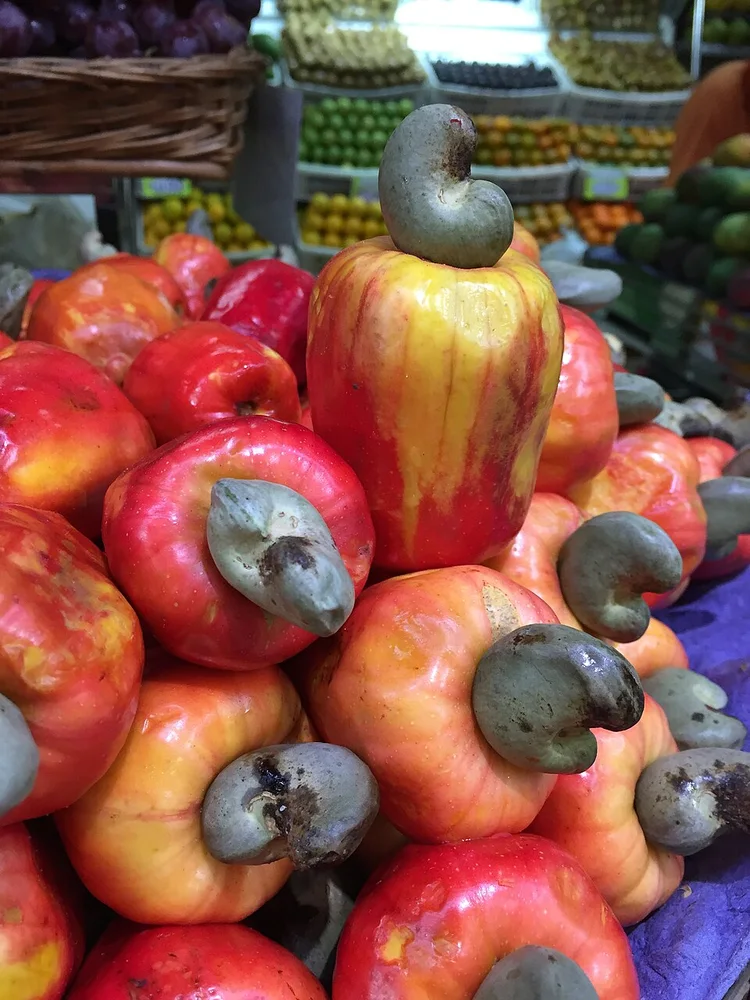
A government account of the African Cashew Alliance meeting puts processing, grading and certification alongside a $200 million tree-crop commitment. Cashew is one of several crops in the frame.
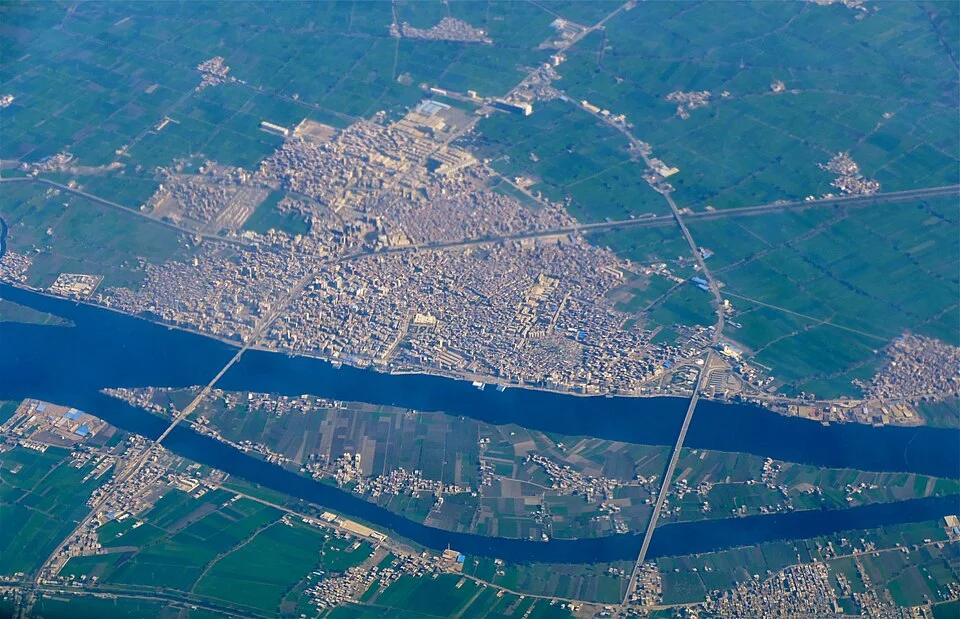
The EBRD’s first direct loan to EFG Holding gives the Egyptian group four years of funding. Its reach will depend on who can borrow through the group’s local finance companies.
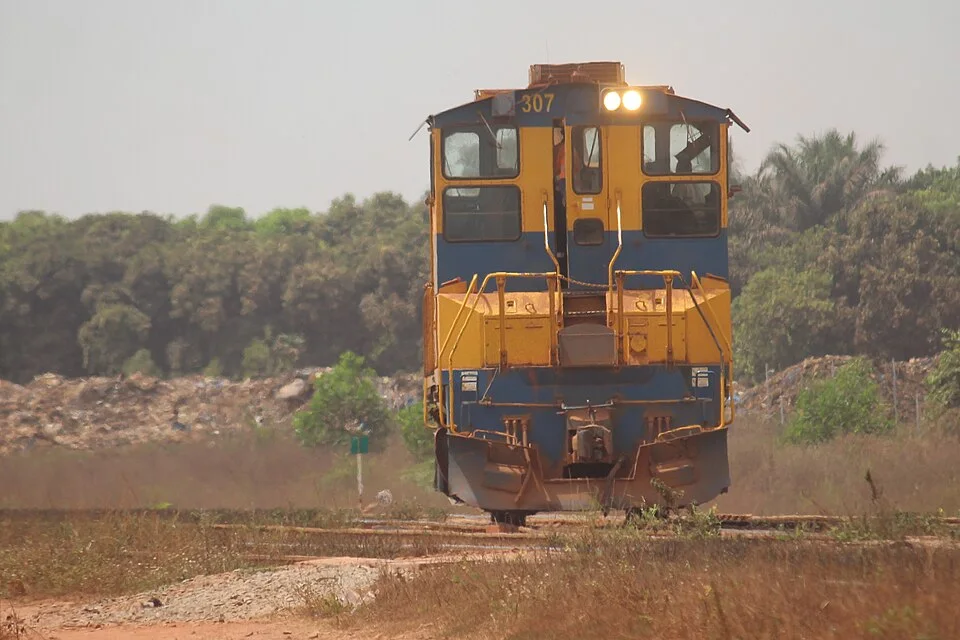
Wabtec’s new service agreement exceeds $700 million and comes on top of earlier locomotive orders. Spare parts, maintenance and local training will determine how often the machines can actually haul freight.
Senegal’s energy minister says domestic gas could reduce generation costs. Getting that benefit to consumers involves a national pipeline network, power plants and a separate decision about subsidies.
British Airways has announced a seasonal Gatwick service for 2027. Its triangular routing links two different tourism markets, with a stop on the way out to Zanzibar and a different journey home.
A Rabat review of Innov Invest traces nearly a decade of public support, from early grants to venture funds. Its different totals describe different steps in getting a company financed.
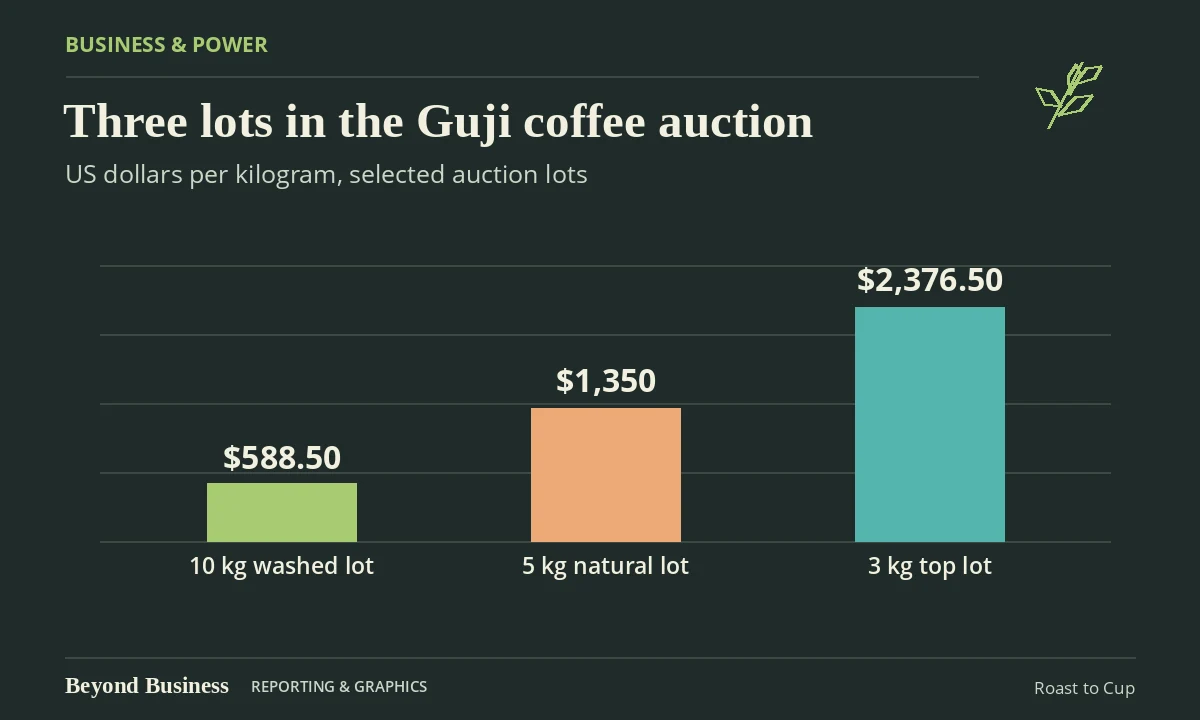
An Ethiopian specialty auction rewarded one Guji coffee with an extraordinary bid. The size of the lot, the other prices and a pledge for a local health centre explain what the sale means for the business.
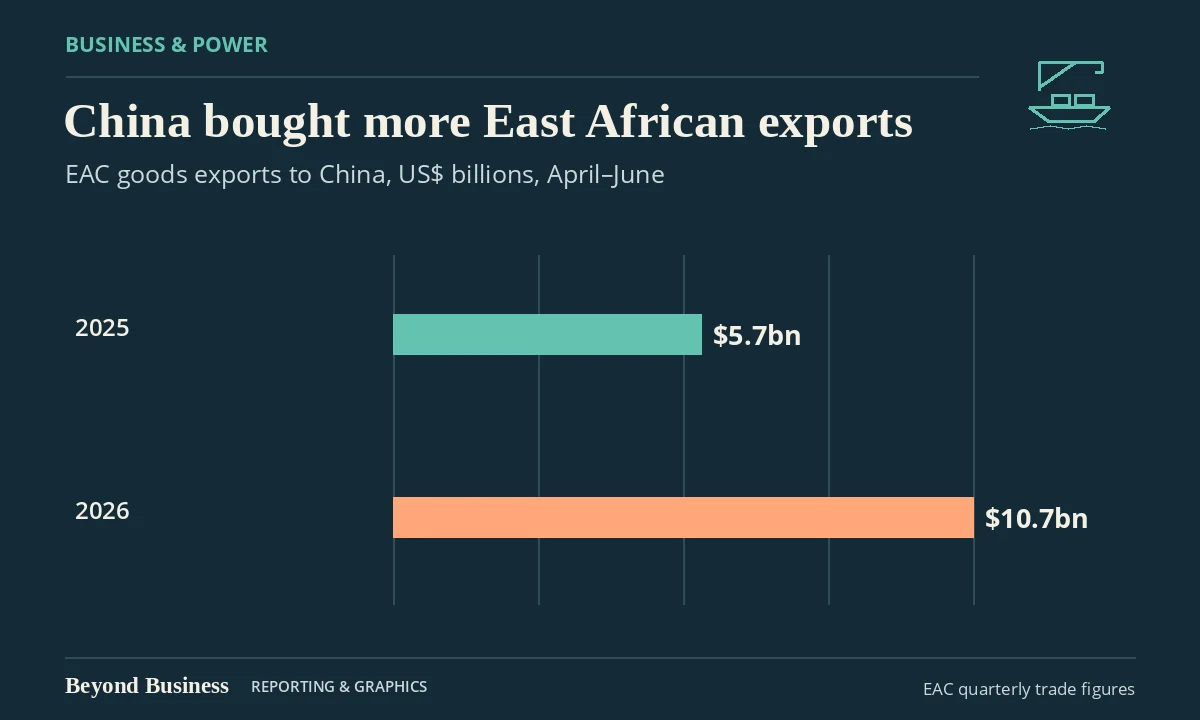
Exports between East African Community members reached $3.2 billion in the second quarter. Their share of exports fell as overseas sales, especially to China, grew faster.
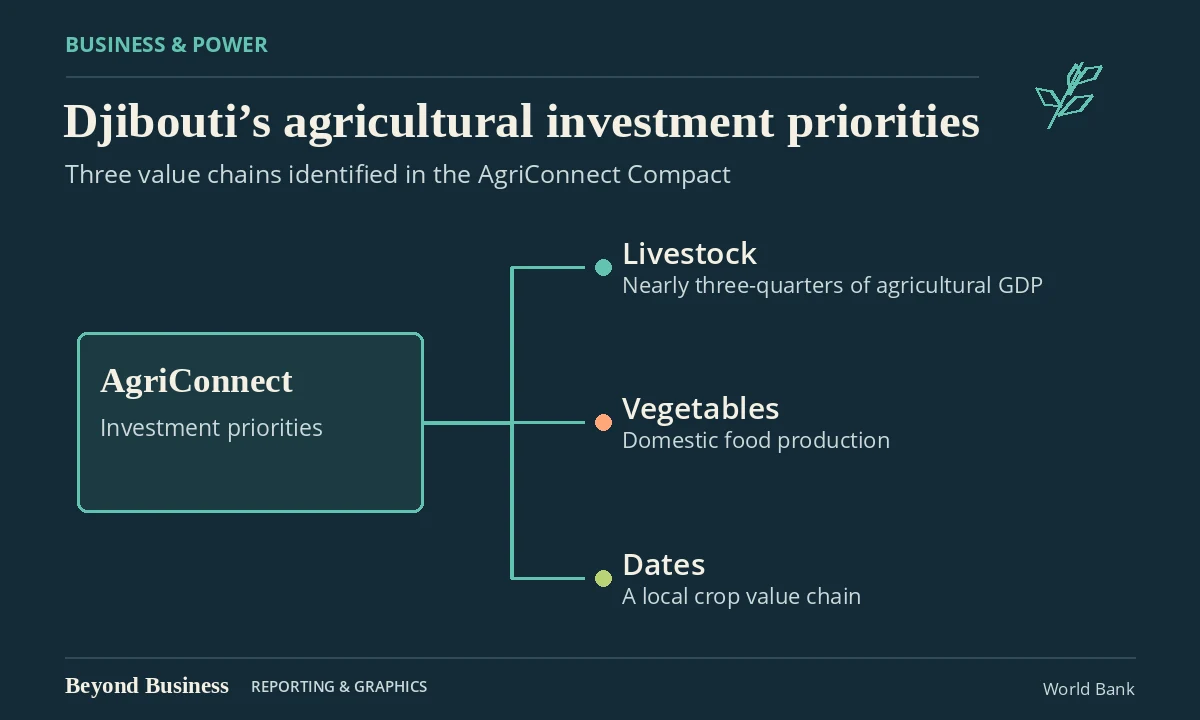
A new compact is concentrating on three parts of the food economy in a country that imports nearly nine-tenths of what it needs. For a grower, the business opportunity depends on what happens after harvest.
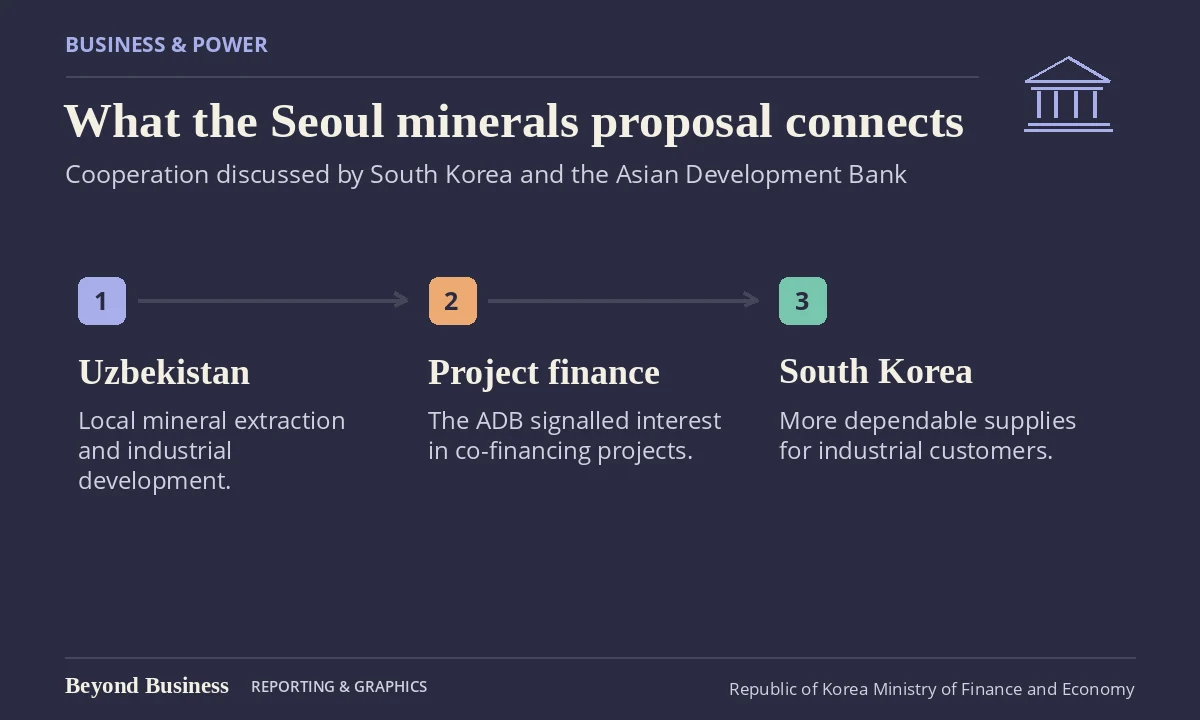
Talks in Seoul put Central Asian industrial development and Korean supply security on the same agenda. The Asian Development Bank expressed readiness to co-finance major projects.