- Trade minister Elizabeth Ofosu-Adjare discussed a roughly $200 million tree-crop commitment at the Accra conference.
- The government expects cashew to benefit, alongside other tree crops.
- Investment in grading, certification and processing would determine what kinds of orders local suppliers can fulfil.
Inside this story 2 perspectives
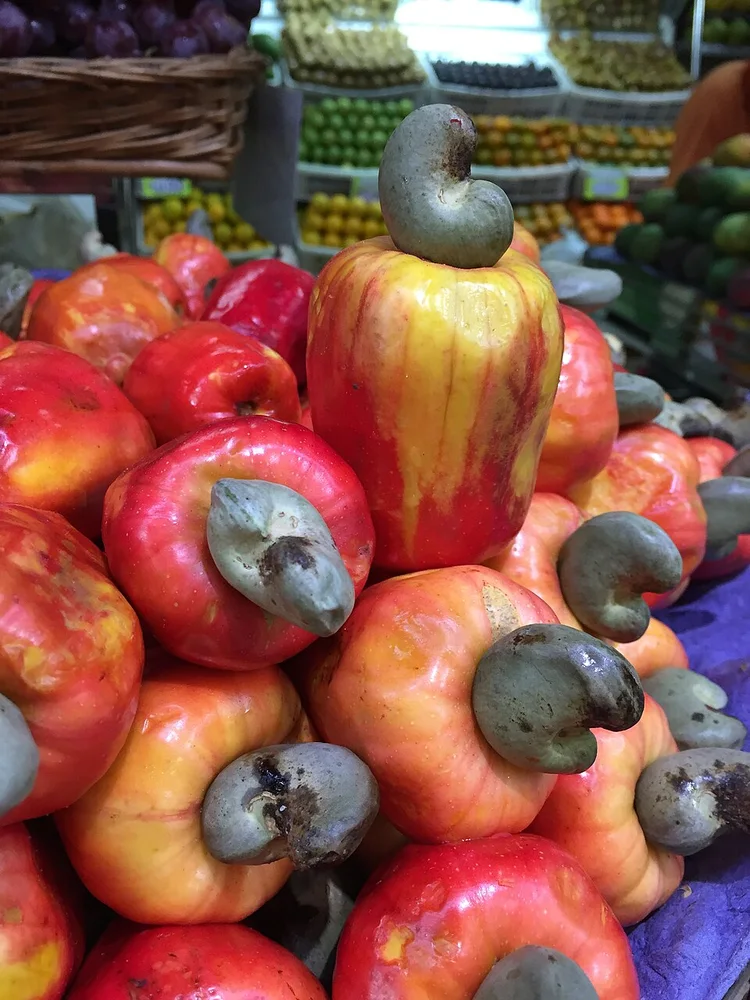
A cashew orchard and a cashew-processing business need each other, but their investment decisions run to different calendars. A farmer planting seedlings waits for a crop. A processor considering machinery wants to know whether there will be enough nuts of the right grade, and enough orders for the kernels, to keep that machinery working. Both sides of the calculation came into view at the African Cashew Alliance meeting in Accra.
In an account published on 22 September, Ghana’s Information Services Department said the government was committing approximately $200 million to tree-crop production and expected cashew to be a substantial beneficiary. Trade, Agribusiness and Industry Minister Elizabeth Ofosu-Adjare made the remarks at the conference’s closing dinner on 17 September. She also sought investment in processing, grading technology and certification. The money discussed covers tree crops more broadly. No cashew-only allocation was announced.
What an orchard can promise
The announcement fits a wider programme. In February, President John Dramani Mahama relaunched Ghana’s $200 million World Bank-supported Tree Crop Diversification Project. Its plans include 7.8 million cashew seedlings as well as rubber and coconut seedlings. The government also described farmer hubs, access to finance and matching grants for smaller businesses. Putting the February and September figures together as if they were two separate pools of cash would overstate what the announcements establish.
A seedling count is useful for tracking delivery at the start. A processor still needs to know how many trees survived, where the farms are, when the crop can be collected and how consistently it meets a specification. An ungraded load can contain nuts of different quality. A buyer who cannot distinguish them has less reason to reward farmers who have done extra work. Reliable grading can therefore matter well before anyone proposes a larger factory.
When a neighbouring exporter is a partner
Ofosu-Adjare named Côte d’Ivoire, Benin, Nigeria, Tanzania and Mozambique in calling for cooperation among producing countries. They can pursue buyers in the same market while facing similar demands for reliable grading and evidence of quality. A common understanding of those requirements can help a processor compare offers. It can also help a farm business understand why one consignment fetched a different price from another.
For Ghana, the eventual measure of value will include what can be sold beyond the raw crop and who earns the additional income. A processor that can supply an agreed grade on time offers a buyer a different product from a trader assembling unclassified nuts. Following seedlings all the way to those orders will give a clearer picture of progress than the size of a commitment announced at a conference.