The standard gauge railway carried 8.2 million tonnes of freight in the latest financial year. Cargo handling at Mombasa helps explain what changed, and why the operating result answers only part of the financing question.
The African Development Bank pitched regional projects alongside guarantees and co-financing. The missing details are the ones that determine where processing, jobs and risk end up.
US officials backed local minerals processing in Nairobi this week. Kenya’s tender documents already contain a test for that promise, alongside questions about commercial viability and community benefits.
Official manufacturing output rose 2.2% from June after seasonal adjustment. A survey of business activity below 50 offers a different account of the month, for a reason.
An IFC proposal to invest up to $4 million in Gigmile draws attention to a particular form of vehicle finance in Nigeria and Ghana. The driver earns with the asset before taking ownership.
A temporary lending framework gives African governments a way to respond to expensive energy and fertiliser. A farmer’s next purchase depends on what countries request and how quickly supplies arrive.
A signing ceremony in Lagos set out the proposed timetable and share price. The scale of the sale, the value of the whole company and the money investors will actually commit are three different numbers.
A framework with the IFC sets out a wholesale institution capitalised at 100 billion birr. Its route to an affordable home runs through the institutions that make the loans.
A five-year investment ambition drew attention in Abuja. Nigeria’s first work programme with the International Energy Agency sets out what officials can begin doing before any investor signs a cheque.
IFAD and Bank of Kigali announced a $12 million agreement within a $21 million programme. The money is designed to reach farmers through the organisations that buy, sell and borrow on their behalf.
Shoprite has signed for a coffee chain of about 400 corporate and franchised outlets across Africa. For a grocer used to moving baskets through checkouts, the valuable part may be how each cup gets made.
A return-to-work agreement restored air traffic control services. For passengers and airlines, rebuilding a timetable was a separate job. Collective bargaining and a court question remain.
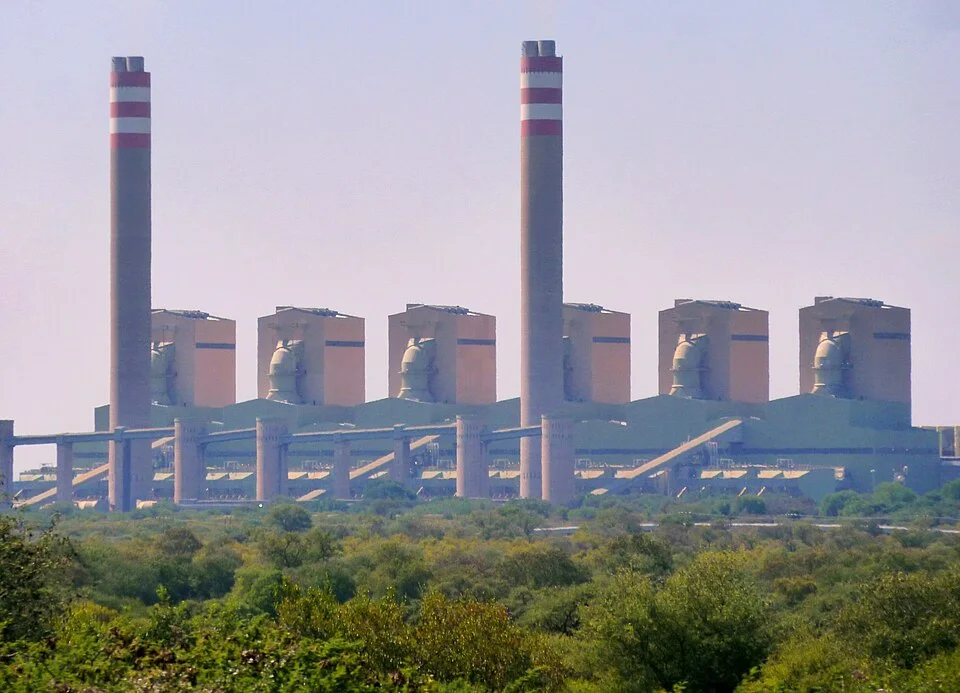
The utility earned R30.3 billion in the year to March. Its results reveal how much industrial demand matters to a business that can now produce more than some of its customers need.
A second liquefied petroleum gas terminal at Richards Bay and more grain and liquid capacity at Durban sit inside one approval. The company still has conditions to close before construction.
Shops closed in central Nairobi as traders protested a higher benchmark for consolidated cargo. The way small importers share a container explains why the figure became so contentious.
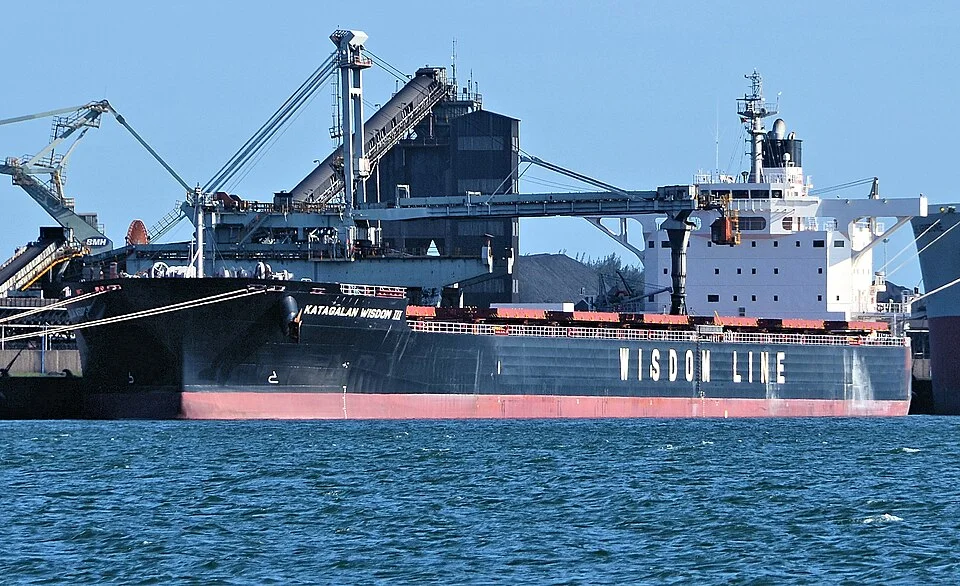
ICTSI signed an agreement to buy the company behind bulk and agricultural cargo operations in Mozambique, Namibia and South Africa. Regulatory approvals still stand between signature and ownership.
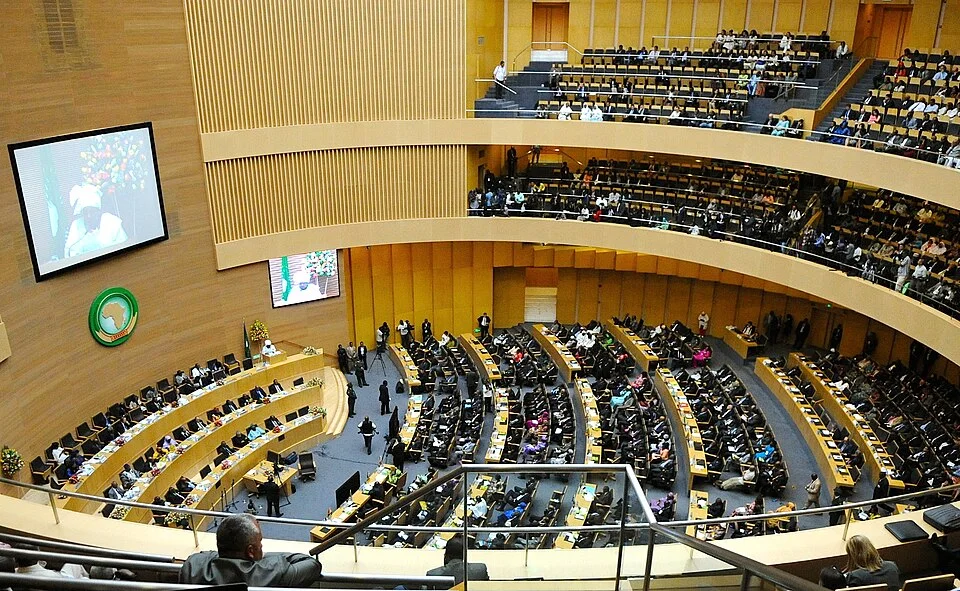
A World Bank report launched in Addis Ababa estimates how much more business African service providers could do across borders. Recognition of qualifications is one place to look for evidence of change.
The Dilolo–Sakania concession puts a company in charge of a crucial stretch of the Lobito Corridor. Its value to shippers depends on what happens at both ends.
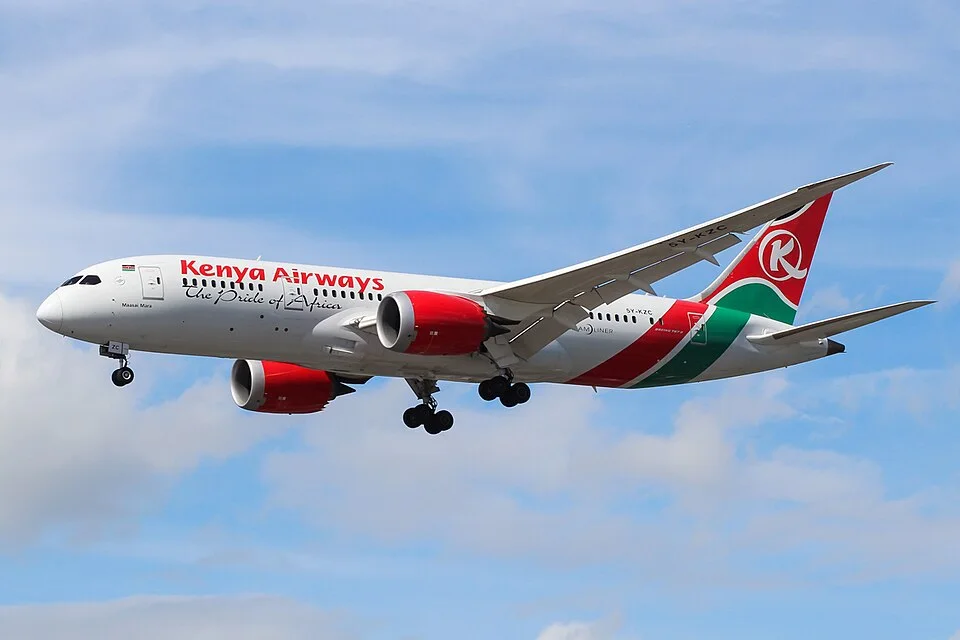
The carrier earned more revenue on less capacity in the first half. A 32% increase in its fuel bill and aircraft availability problems pulled the accounts in the other direction.
Zimbabwe’s agricultural show has opened with more stands than its organisers had targeted. Orders, demonstrations and repeat business will tell a different part of its story.
Sabvest Capital disclosed a R754 million investment commitment on 24 August. The much larger figure attached to Frogfoot, Vox and Hypa measures something else.
A final payment ended the threat of supply restrictions arising from R5.25 billion in arrears. A separate R1.86 billion July account falls due on 31 August.
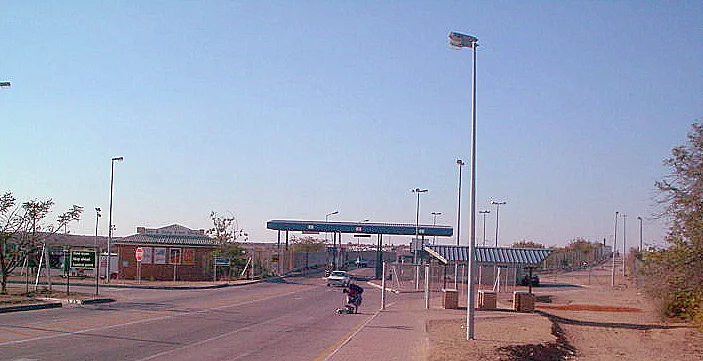
South Africa and Zimbabwe are moving freight through their main crossing faster. Their presidents also have to contend with what is inside the trucks and who gets paid to make it.
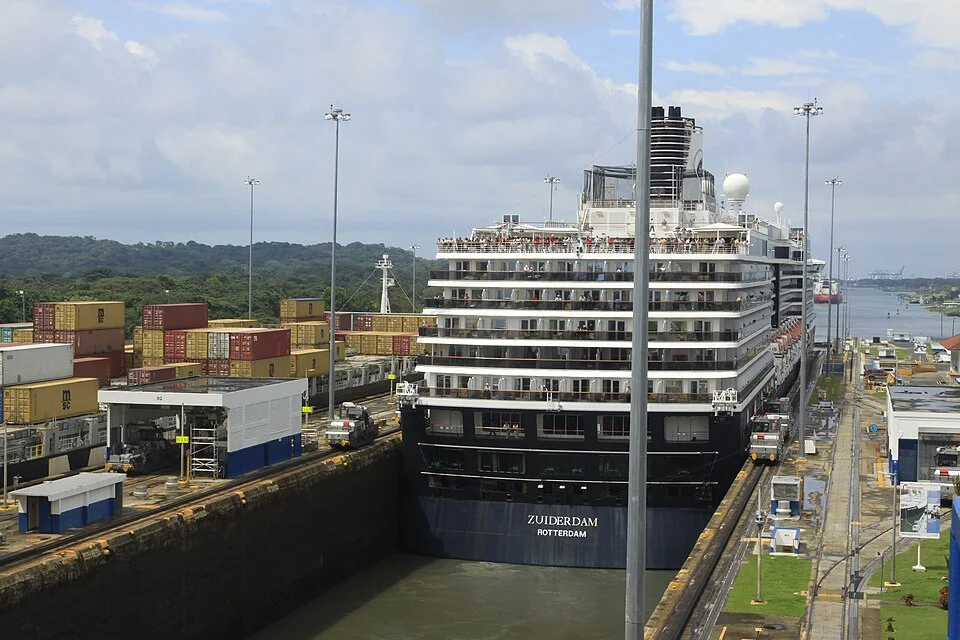
The Panama Canal has begun applying new booking limits for September. Water flowing into its watershed has fallen even further below normal than the rain itself.