- Booking changes took effect on 21 August for transit dates starting on 4 September.
- The initial limits add up to 34 daily slots across the two lock categories, falling to 32 from 15 September.
- For May to August, rainfall was 34% below its historical average and inflows were 44% below theirs.
Inside this story 2 perspectives
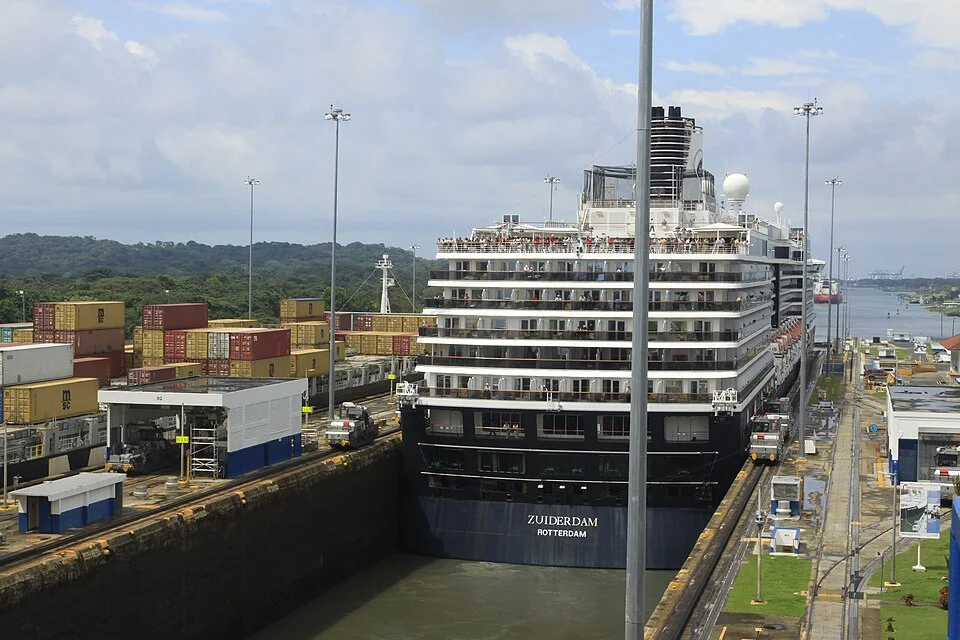
For a shipowner, 21 August is already a September date. New booking arrangements at the Panama Canal began applying on Friday to vessels seeking passages from 4 September. There will be nine daily slots at the larger Neopanamax locks and 25 at the Panamax locks, a total of 34. For transit dates beginning on 15 September, the second figure falls to 23, bringing the total to 32.
The waterway has no shortage of salt water at either end. Its problem is the fresh water that feeds the locks in between. Two reservoirs, Gatún and Alajuela, help supply the canal system. Water lets the locks raise and lower vessels between the oceans and the waterway’s higher interior. The same resource also serves people who live in Panama. Decisions about shipping capacity have consequences well beyond maritime commerce.
Rain does not all reach the reservoir
The Canal Authority’s 20 August advisory gave two figures for the period from May into August. Rainfall across the watershed was 34 per cent below its historical average. The flow of water into the watershed’s storage system was 44 per cent below its own historical average. The percentages have different denominators. A rain gauge and a measure of the water entering storage answer different questions.
A shipping line planning for the next few weeks cannot book an expected rainstorm. It can book only the capacity the authority makes available. Restricting slots while the rainy season is still under way may give users time to change sailing plans and conserve water for the dry season. The authority highlighted the possibility of a severe El Niño and less rainfall and runoff later in the wet season. That is a forecast and remains subject to change.
The price of a place in line
A slot has a different value to different customers. A carrier serving several ports on a published schedule has reasons to pay for predictability. A ship carrying a bulky, less time-sensitive commodity may have more room to consider another route, but a longer voyage still consumes fuel and days of vessel availability. A cargo owner may also be paying to finance goods while they are in transit.
This is why a change involving only a few slots can concern businesses far from the locks. The relevant calculation is rarely the canal fee alone. It includes the cost of tying up a ship, missing the next berth or rescheduling a customer’s delivery. For now the authority has put dates and numbers against the reduction. Whether they need changing again will depend on the water that actually arrives, not just on the amount of rain that was expected.