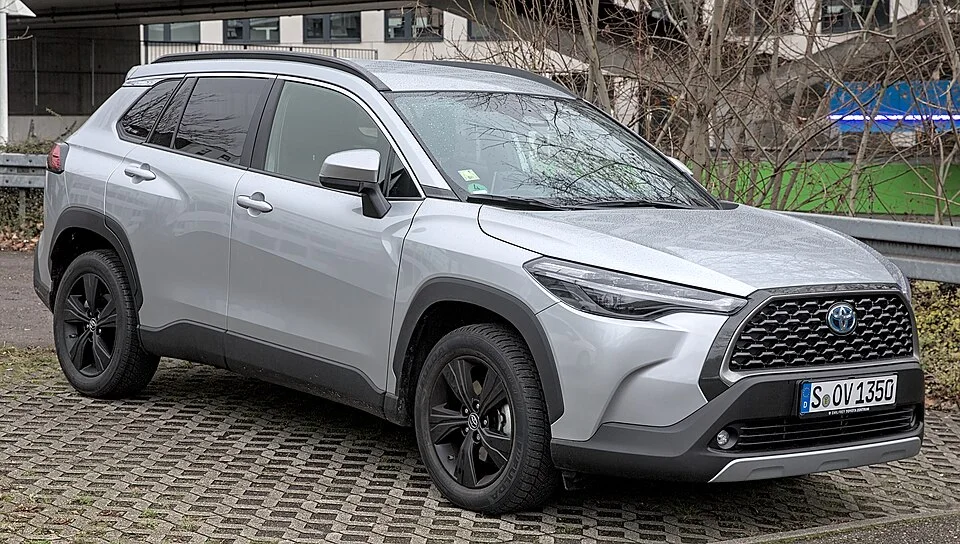
- The EU inquiry covers specified new hybrid passenger vehicles from multiple origins.
- South Africa is considering an exemption or a country-specific quota if measures follow.
- The model’s customs classification, origin and shipment timing will matter to individual exporters.
Inside this story 2 perspectives
A vehicle takes months to move from a production plan to a European showroom. A trade investigation can alter the assumptions behind that journey while the parts are still being ordered. South African carmakers now face that timing problem as their government prepares a response to the European Union’s investigation into imports of certain new hybrid passenger vehicles.
On 17 November, the Department of Trade, Industry and Competition briefed Parliament on its engagement with the EU. Deputy director-general Xolelwa Mlumbi-Peter told lawmakers that South Africa would examine its eligibility for an exemption and, if needed, pursue a country-specific quota. The department encouraged industry participation and identified 20 November as the deadline for inputs. The short timetable is one reason this matters before there is a decision at the border.
What Europe is investigating
The EU notified the World Trade Organization on 30 October that it had opened a safeguard investigation. Under this process, authorities examine whether an increase in imports causes or threatens serious injury to a domestic industry. Exporters, importers and other parties can submit evidence. The question applies to the defined group of vehicles entering the EU from abroad. It is wider than any one South African factory.
The department’s presentation put the scale in perspective. Imports of the vehicles covered rose from roughly 958,000 in 2023 to about 1.42 million in the twelve months ending June 2026. Those are EU imports from all origins in scope. They say little on their own about South Africa’s contribution to that increase, which is precisely why the origin data in a submission matter.
What a quota would mean for a supplier
An exemption and a quota could lead to different conversations between a manufacturer and a buyer. An exemption could place qualifying South African exports outside a measure. A country-specific quota could reserve an allowance, leaving exporters to consider the treatment of shipments beyond it. The scope, allocation and timing of any eventual measure would determine the effect on a particular order.
For a component business, the practical risk is often one step removed. Its customer might ask for a shorter commitment on parts while it waits to learn what it can ship. A supplier that has already booked machine time or ordered specialised tooling then faces a real cost, even if no tariff has yet been collected. That is a possible commercial response, rather than evidence that orders have been cancelled.
It is worth reading the eventual decision with a specific vehicle in mind. Does the customs code cover that model? Where does it originate? When does it enter the EU? A headline about hybrids answers none of those questions. For the people arranging shifts, transport and parts orders, they are the questions that determine what happens next.