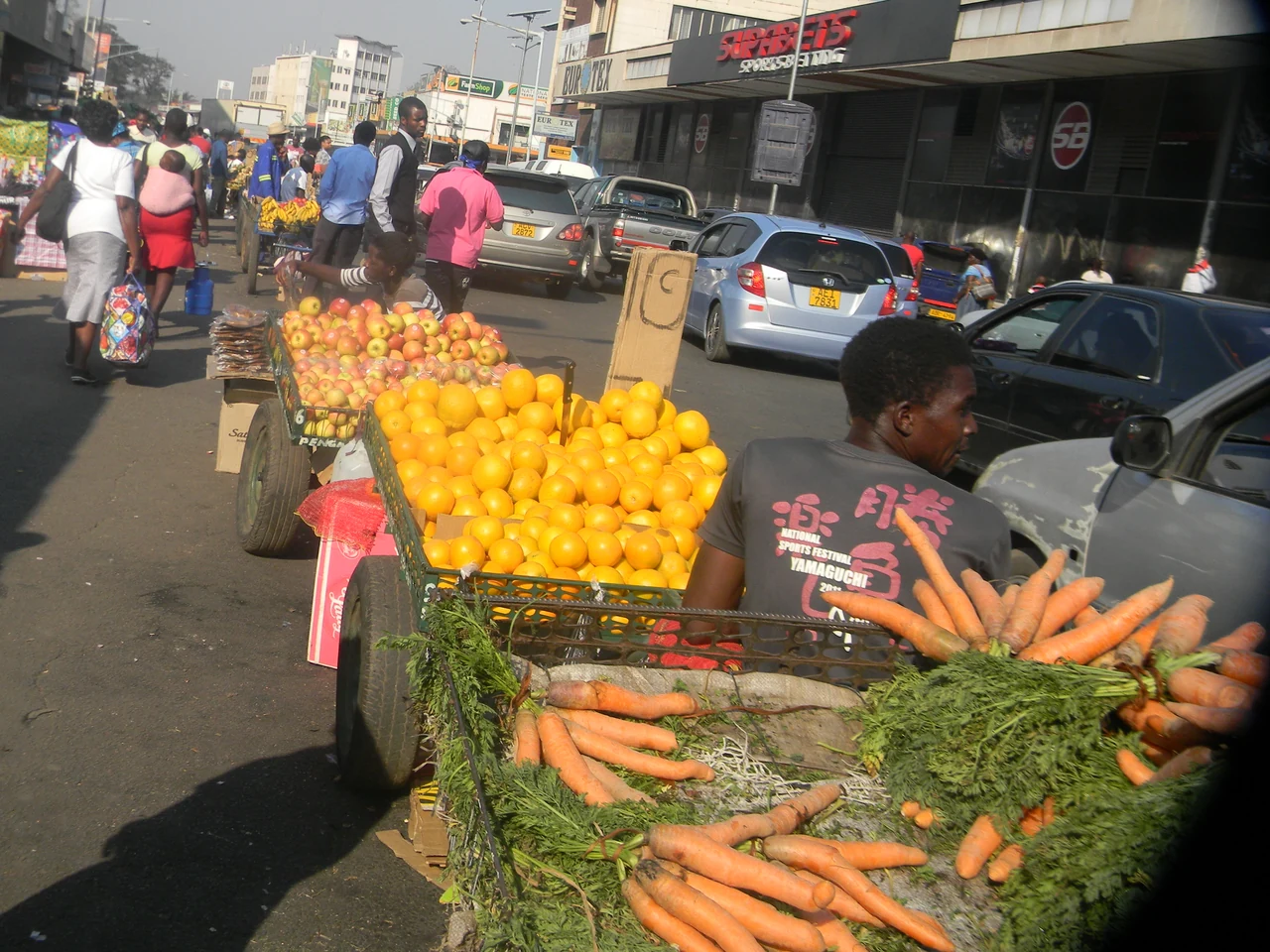
- NewsDay counted 640 exhibitors at the opening of the 116th Zimbabwe Agricultural Show.
- Organisers had set a July target of 630 exhibitors and introduced more ways to buy tickets.
- The commercial return on a stand depends on what happens to leads after visitors leave.
Inside this story 2 perspectives
The Zimbabwe Agricultural Society was aiming for 630 exhibitors when it outlined plans for its annual show in July. On Monday, NewsDay reported that the 116th edition had opened at the Harare showgrounds with 640. It also reported a quiet start among visitors while some exhibitors finished setting up. A strong count of sellers and a quiet morning for buyers can both be accurate descriptions of the same trade fair.
The show runs from 24 to 29 August. Its organisers have assembled several audiences with quite different reasons to come through the gates. Monday’s programme included a brands parade and the Green Indaba. Tuesday’s schedule includes a breakfast conference of the Zimbabwe National Chamber of Commerce. The big arena also has a family entertainment programme. Someone arriving to see a musician and a farm manager arriving to examine a piece of equipment may pass through the same gate. They represent different opportunities to a business paying for floor space.
The second price on a machine
Consider a farmer comparing two irrigation pumps. At a stand, both suppliers can give the price of the pump. A conversation could establish who stocks the seals, whether the installer will travel to the farm and how many days it takes to replace a failed part. Those answers can change a purchase decision without moving the number printed on the quotation. Bringing several suppliers together gives the buyer a chance to ask the same questions while the previous answers are still fresh.
That opportunity extends in the other direction. If several farmers independently raise the same maintenance problem, the supplier has learned something that a pile of business cards would struggle to convey. An exhibitor might leave with a repair contact, a potential distributor or a better idea of why last season’s product drew interest but few repeat orders. Each outcome takes a different kind of follow-up.
Counting the trips after Harare
In July the society described online registration, additional entrance gates and more ways to buy tickets. These are material changes for a six-day event. Time saved in a queue leaves a visitor more time at the stands. More entrances can also distribute foot traffic differently. Neither fact tells a company whether the right prospective customers found its display.
For the society, an opening count answers a reasonable question about demand for exhibition space. For a small business, the more revealing record starts after the stand comes down. Which demonstrations turned into requests for a written price? Which contacts agreed to visit a farm? Which buyers came back for parts or placed a second order? The first numbers belong to a week in Harare. The others will emerge wherever the equipment, services and produce are used.