- On a qualifying US$100 electronic transfer, the proposed tax would fall from US$2 to US$1.75.
- The proposed income tax-free threshold would rise to US$150 a month, or the ZiG equivalent.
- Treasury has included about US$400 million for severe shocks, including drought, in its proposed spending ceiling.
Inside this story 3 perspectives
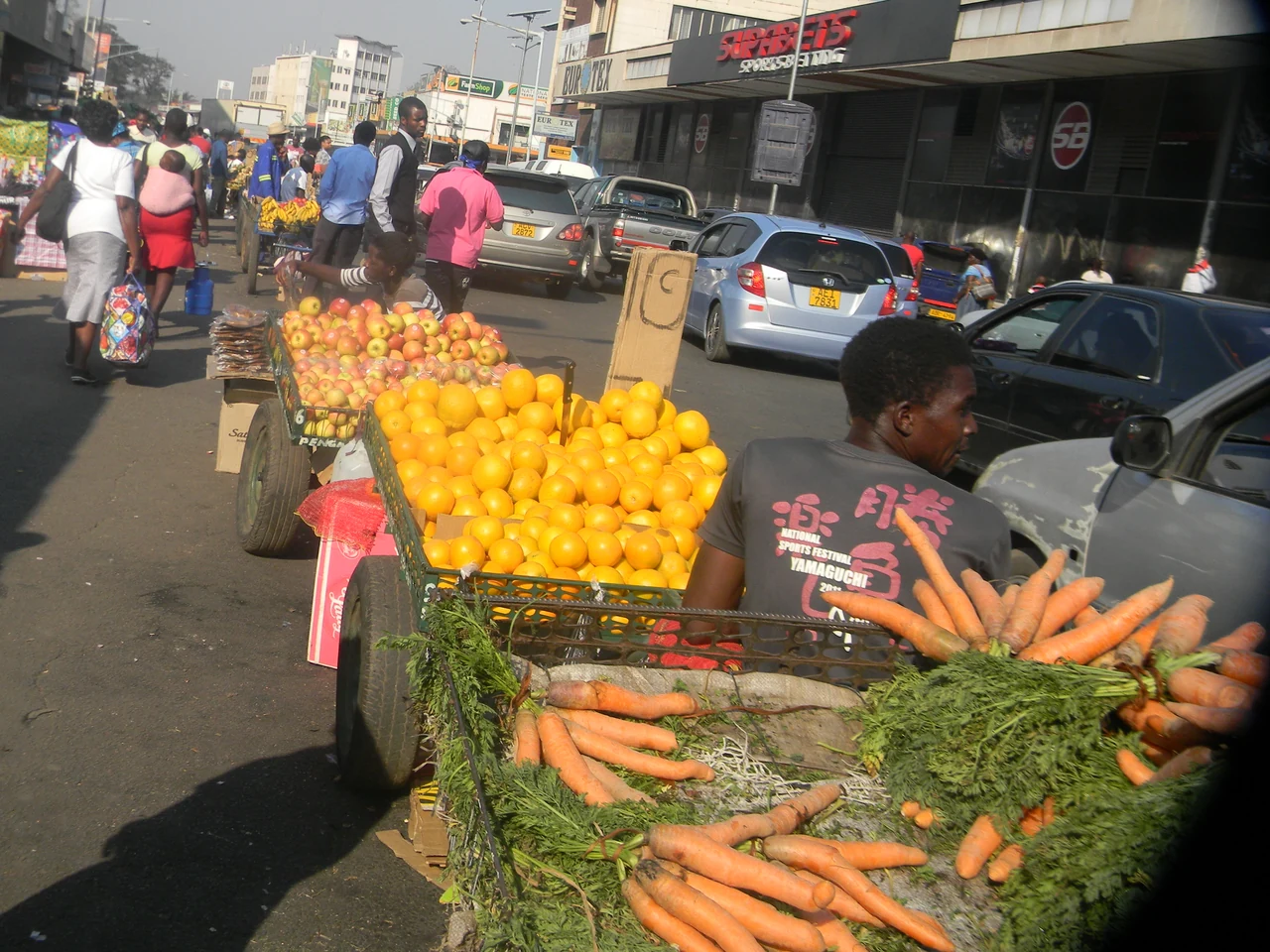
A Harare grocer paying a wholesaler US$100 by electronic transfer would save 25 US cents under Zimbabwe’s proposed 2027 budget. A quarter of a dollar is small change on one order. A grocer pays again when the next delivery arrives. For a vendor who buys stock with cash and sells it from a pavement stall, the more pressing question may be whether the market has running water.
Those two perspectives help explain the different reactions to the budget Finance Minister Mthuli Ncube presented to Parliament on 19 November. He proposed cutting the tax on electronic transfers and raising the income tax threshold just as Treasury expects growth to slow and drought to put pressure on the price and availability of food.
What changes on a US$100 payment
The Intermediated Money Transfer Tax is a charge on qualifying electronic payments. Ncube proposed reducing the rate on foreign-currency transfers from 2% to 1.75%. The rate on transfers in Zimbabwe Gold, the local currency known as ZiG, would fall from 1.5% to 1.25%. The draft Finance Bill gives 1 January 2027 as the intended start date, subject to enactment.
For the grocer, that takes the tax on a US$100 supplier payment from US$2 to US$1.75, before any bank fees. Make 20 such payments in a month and the saving is US$5. On a qualifying ZiG1,000 payment, the tax would fall from ZiG15 to ZiG12.50. The grocer could put the US$5 towards the next stock order. A customer buying bread would benefit only if the shop passed some of the saving on.
A payslip and a market stall
A second proposal would raise the monthly income tax-free threshold from US$100 to US$150, or the equivalent in ZiG. For someone with US$150 in monthly taxable employment income, the current tax table produces US$10 in basic income tax before credits and levies. Under the proposed threshold, that basic tax would be zero. Someone already earning below US$100 would see no gain from moving the threshold alone.
Denford Mutashu, president of the Confederation of Zimbabwe Retailers, welcomed the proposed transfer-tax cuts in both currencies, The Herald reported. The Vendors Initiative for Social and Economic Transformation saw some relief too. But in its response, reported by CITE, the group asked where informal workers would find the financing, serviced markets, water and sanitation they need to trade. A cheaper payment offers little help with the cost of replacing produce spoiled at a stall.
What a dry season could cost
Treasury forecasts growth of 3.5% in 2027, down from an estimated 5% in 2026. Its proposed ZiG358.3 billion spending ceiling includes a ZiG10.9 billion contingency, about US$400 million, for severe shocks including drought. Ncube said it would be financed from reserves built up in 2026. This is money set aside in case conditions worsen. How much of it is needed will depend in part on the rains.
For the grocer, January’s first electronic supplier payment could show the tax saving to the cent. The harder number to predict is the price the wholesaler will charge for the next crate of tomatoes. That will depend on the harvest as well as the budget.