- The group reported a R490 million trading profit for the 26 weeks to 30 August.
- The Pick n Pay segment reported a R516 million trading loss, down 16.9% from a year earlier.
- The group’s headline loss narrowed from R439 million to R299 million.
Inside this story 2 perspectives
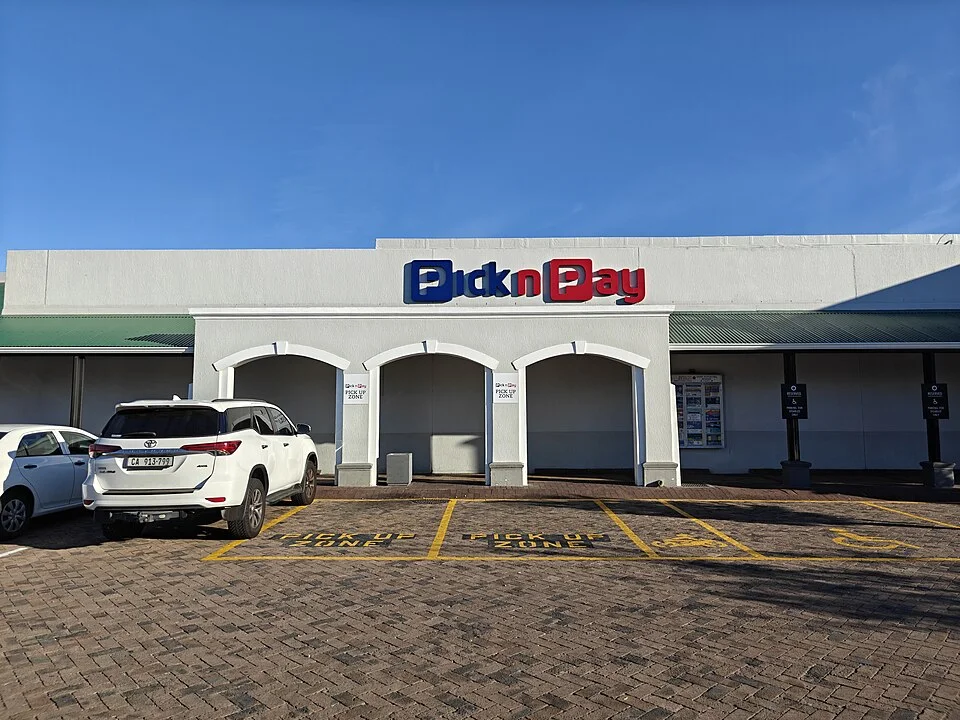
South African shoppers see the Pick n Pay and Boxer names on different shop fronts. People reading the group’s latest results need to keep that distinction in mind too. For the 26 weeks ended 30 August, the group made R490 million in trading profit even as the Pick n Pay business itself recorded a trading loss of R516 million.
The figures, released on 26 October, show progress in both parts of the retailer. Pick n Pay reduced its segment trading loss by 16.9%. Boxer, its discount grocery business, delivered roughly R1 billion in trading profit and opened its 600th store. Together they helped lift group trading profit by R180 million from the comparable period a year earlier.
Two ways through the same grocery market
Boxer’s turnover rose 6.3% while the Pick n Pay segment’s turnover was approximately flat. At group level that produced a 2.4% rise in turnover to about R60.5 billion. A customer visiting a busy new Boxer therefore sees a real part of the group’s performance, but cannot infer from it how much more an established Pick n Pay store is selling.
The group attributed the reduced loss at Pick n Pay to an improvement in gross margin and efforts to contain costs. Those are important levers for a supermarket where a small change in the difference between sales and merchandise costs can matter across thousands of transactions. The figures also give a reason to watch whether improving margins and containing costs are followed by a sustained recovery in sales at the namesake business.
Where the headline loss comes in
The group’s reported headline loss narrowed from R439 million to R299 million. Trading profit measures performance at an earlier point in the accounts. Financing costs and other items come later, and shareholders in the parent do not hold the entire economic interest in Boxer. The group specifically notes the portion of Boxer earnings attributable to outside shareholders when explaining its headline result.
That means it would be misleading to take the full profit produced by Boxer and read it as money available to the parent company’s shareholders. The segment’s commercial success matters, but some of the value belongs to its other owners. A loss figure for the group and a positive figure for an individual operation can both be meaningful once the level of the accounts is clear.
Management is targeting break-even in the core Pick n Pay business by its 2029 financial year. The half-year figures show a smaller loss on the way to that target, with a substantial distance still to cover. The next comparison worth watching will be how much of the improvement comes from the namesake supermarkets themselves as Boxer continues to add stores.