- Freight volume increased from 7.04 million to 8.2 million tonnes.
- Kenya Railways reported a KSh3.2 billion operating profit for the standard gauge railway.
- An operating surplus answers a different question from recovery of the line’s construction and financing costs.
Inside this story 2 perspectives
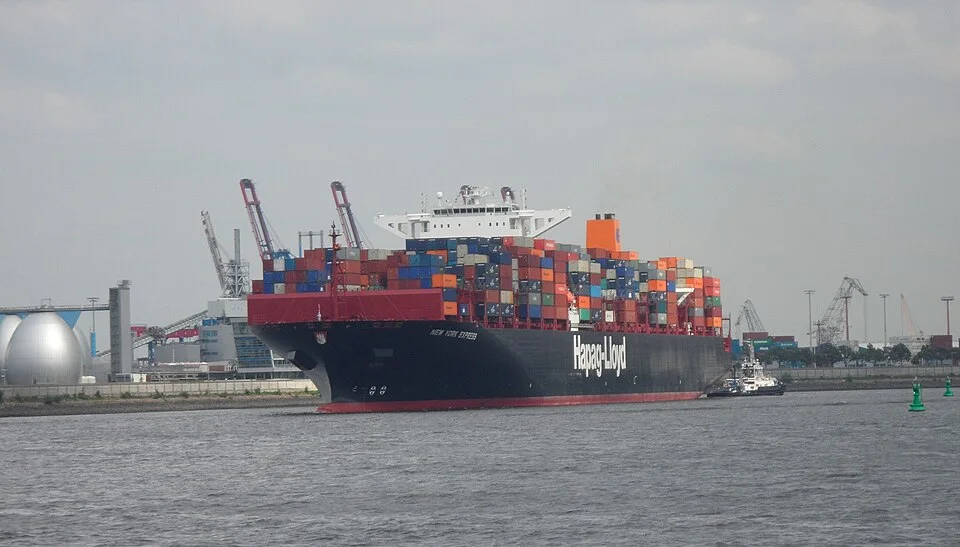
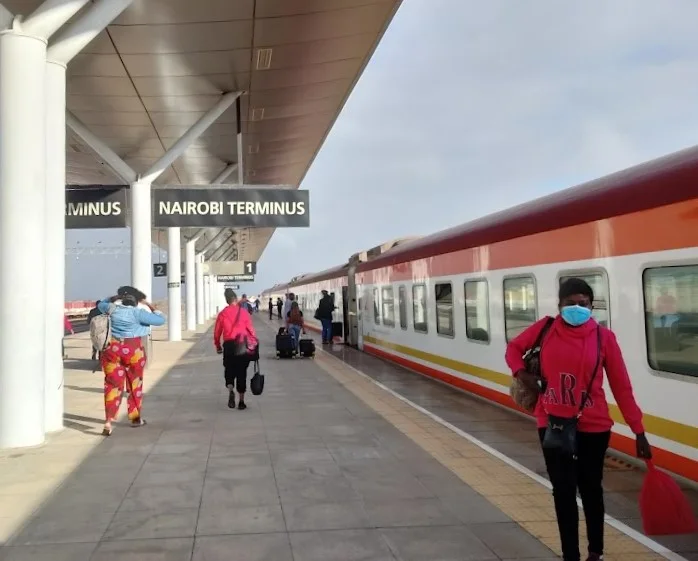
A truck, a crane and a train can all be waiting on the same container at Mombasa. How quickly that box gets from the port to the railway matters to Kenya Railways' accounts as well as to its owner. Managing director Philip Mainga told Business Daily on 9 September that Kenya's standard gauge railway had carried a record 8.2 million tonnes of freight in the 2025/26 financial year and made an operating profit of KSh3.2 billion.
The previous year's freight volume was 7.04 million tonnes, according to Xinhua's account of Mainga's interview, carried by Capital FM. The additional 1.16 million tonnes represent roughly a sixth more cargo. Mainga attributed the result to more efficient operations, faster clearance of freight at Mombasa and a closer relationship with customers. None of those changes requires adding another kilometre of track. Each can change how much of the existing railway customers are able to use.
The railway starts before a wagon moves
Kenya Railways describes the Madaraka Express freight operation as primarily a container service linking the coast with inland depots in Nairobi and Naivasha. It handles standard 20-foot and 40-foot containers. A shipper judges that offering by more than the time a train spends moving. The wait for a box to clear the port, the schedule for a train, and collection at the inland end all determine when the goods reach the customer.
Faster freight clearance can therefore help the railway twice. It gives customers a better idea of when their cargo will arrive, and it can make a wagon available for its next load sooner. The reported increase in tonnage tells us more cargo moved over the year. It cannot on its own tell us how much individual customers saved or which part of the journey became more reliable for every shipment.
What the surplus covers
An operating profit compares revenues from running a service with the operating costs charged against them. It is a significant threshold for a railway that began running in 2017. It answers a narrower question than whether the original capital outlay, its financing and every future renewal can be paid for by ticket and freight receipts. Those larger obligations have different time horizons and need their own accounts.
Passengers and freight also represent different kinds of demand. A count of people boarding a train cannot be added to tonnes of goods to calculate the railway's share of the transport market. Here it is freight volume, together with the operator's description of the work at the port, that gives the new figure its meaning. For the next reporting period, the telling comparison will be whether the railway can sustain that volume and the margin it earned from running the service.