- The EBRD is lending EFG Holding $40 million for four years.
- Eligible non-bank subsidiaries will channel financing to smaller businesses, including outside major cities.
- The announcement discloses the terms of the parent facility only in part. It gives no individual borrower a promised rate or loan.
Inside this story 2 perspectives
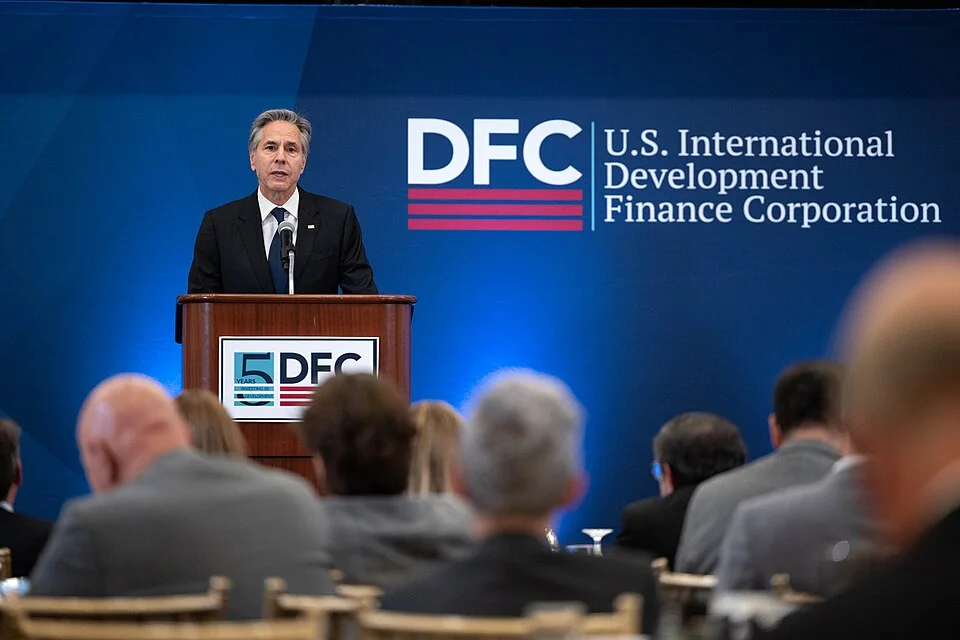
The agreement was signed at an investor conference in London. The intended customers include an Egyptian business owner far from the country's main cities. Several decisions sit between the two. On 22 September the European Bank for Reconstruction and Development and EFG Holding announced a four-year, US$40 million loan to the Egyptian financial group. Eligible subsidiaries of EFG Finance, its non-bank financing platform, are to use the funding to reach micro, small and medium-sized enterprises.
This is the first time the EBRD has extended a facility directly to the holding company. It already knew its way around the group. It has previously provided facilities to businesses including Bank NXT, Tanmeyah and Valu. The distinction matters for someone trying to trace this particular loan. The new agreement puts the parent in the relationship with the international lender and gives eligible businesses within the group a role in putting the money to work.
Two different borrowers
A four-year facility tells an investor how long funding will be available at the group level. A shop owner looking to finance new equipment needs a different set of details. How long will the shop have to pay? Which costs fall due up front? What evidence of sales can the finance company accept? The September announcement offers no common answer to those questions. The figure on the front of the agreement cannot be divided into a standard cheque for each eligible business.
The group already has businesses with different specialities. Tanmeyah serves micro and small enterprises. EFG Corp-Solutions offers leasing and factoring. Those examples illustrate how distinct a financing need can be. A firm might want the use of a machine over several years. Another might have delivered an order but need cash while it waits for its customer to pay. A relationship with a lender able to recognise the difference can be as important as the sum available.
Following the money out of the city
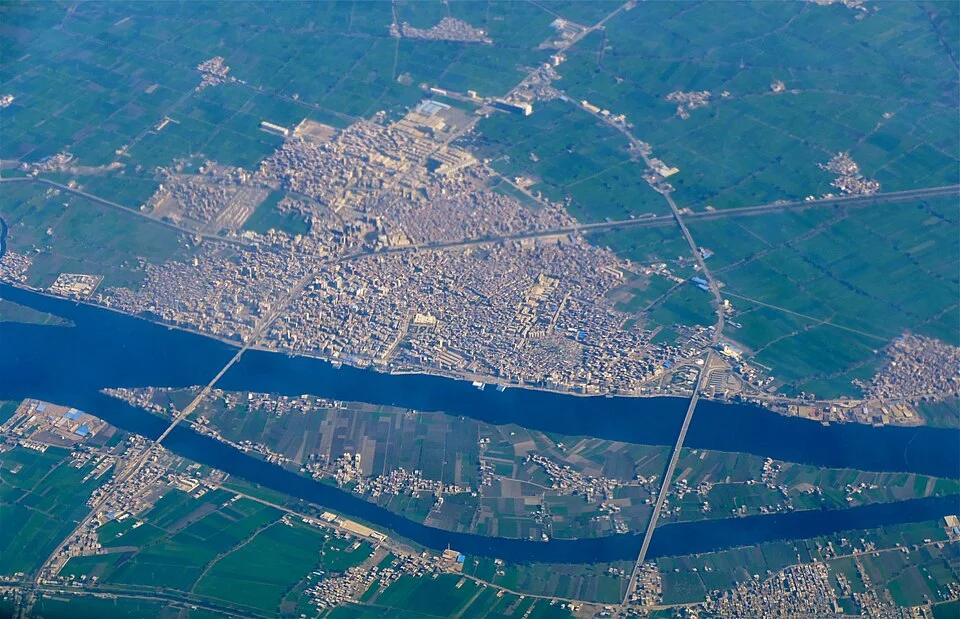
The EBRD specifically identifies enterprises in rural areas and beyond Egypt's principal urban centres. That creates an unusually straightforward question for anyone assessing the agreement later. Where did the businesses that actually received finance operate? A national total can rise even when the distribution stays much the same. A geographic breakdown, together with the number of first-time customers, would tell a reader more about the stated goal.
For now, the two parties have identified a source of funding and how it is supposed to travel. Neither the announcement in London nor the funds available to the group establish how many businesses will obtain financing. The meaningful final transaction will be a smaller one, agreed much closer to an Egyptian enterprise and on terms it can put to work.