August wholesale inflation reached 9.92% as fuel and power rose much faster than the other major groups. The provisional figures describe movements in a weighted national goods index.
Statistics Canada’s second-quarter accounts show how rising investment values can improve national balance sheets while leaving a family’s monthly repayment obligations intact.
The owner of Zara reported 7.6 per cent half-year sales growth in euros and a newer 9 per cent trading figure. Putting both numbers on the same basis changes the comparison.
The euro area’s September decision put firm dates on three interest rates. Its staff forecasts are a different kind of number, especially for companies trying to budget through an energy shock.
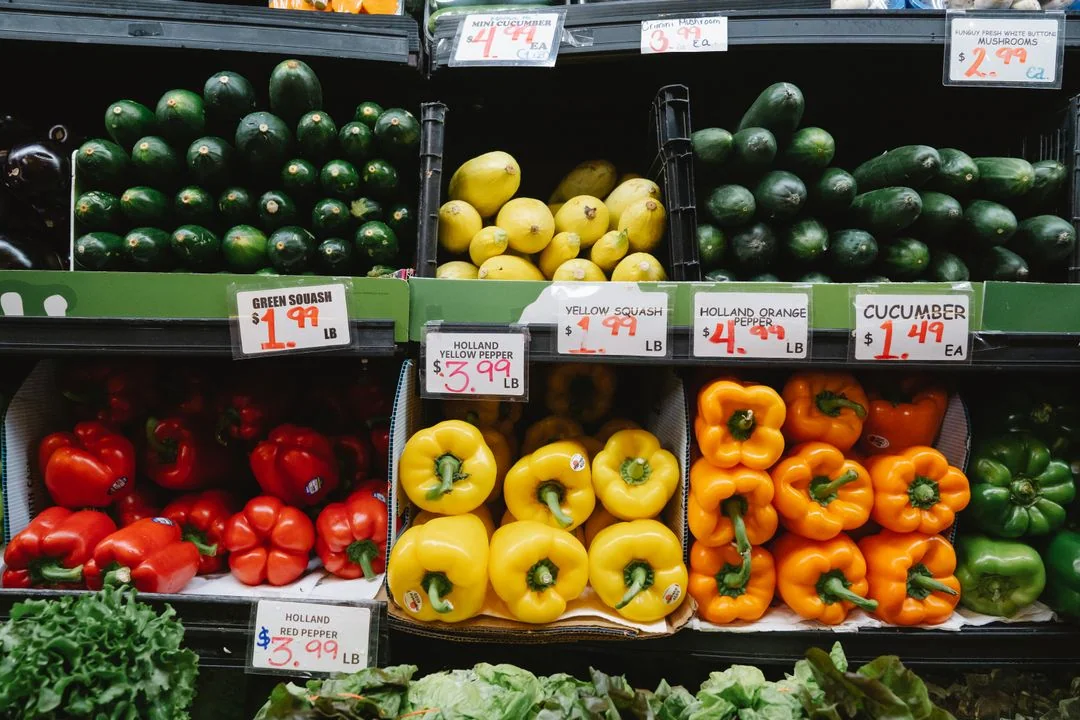
Fresh vegetable prices rose 5.5% from July but remained 2.8% below August 2025. Pork also moved in opposite directions depending on when a shopper last compared prices.
A Federal Reserve release separates changes in credit-card balances from instalment borrowing. Even together, those balances answer a narrower question than how much debt a US household carries.
Real household consumption rose 0.4% as South Africa’s economy contracted 0.2%. Food spending, manufacturing output and trade activity explain how those numbers can coexist.
Moneyfacts put the average two-year fixed rate at 5.63% on Monday. Borrowers midway through a fix and buyers looking for a new deal will experience that figure differently.
More than 6.5 million prizes were drawn after NS&I raised the prize fund rate to 4.35 per cent. The published rate describes the whole fund, while a saver experiences one draw at a time.
FAO’s August figures show a sharp rise in sugar quotations and a smaller increase across food commodities. Contracts, exchange rates and the rest of a recipe shape the cost at a local counter.
The ECB’s July figures show how differently banks paid for household deposits available overnight and money committed for an agreed period. The averages describe different groups of accounts.
Household consumption fell 0.4% in the second quarter as Brazilian output grew 0.5%. The finance ministry’s inventory calculation helps explain how those changes can share a set of accounts.
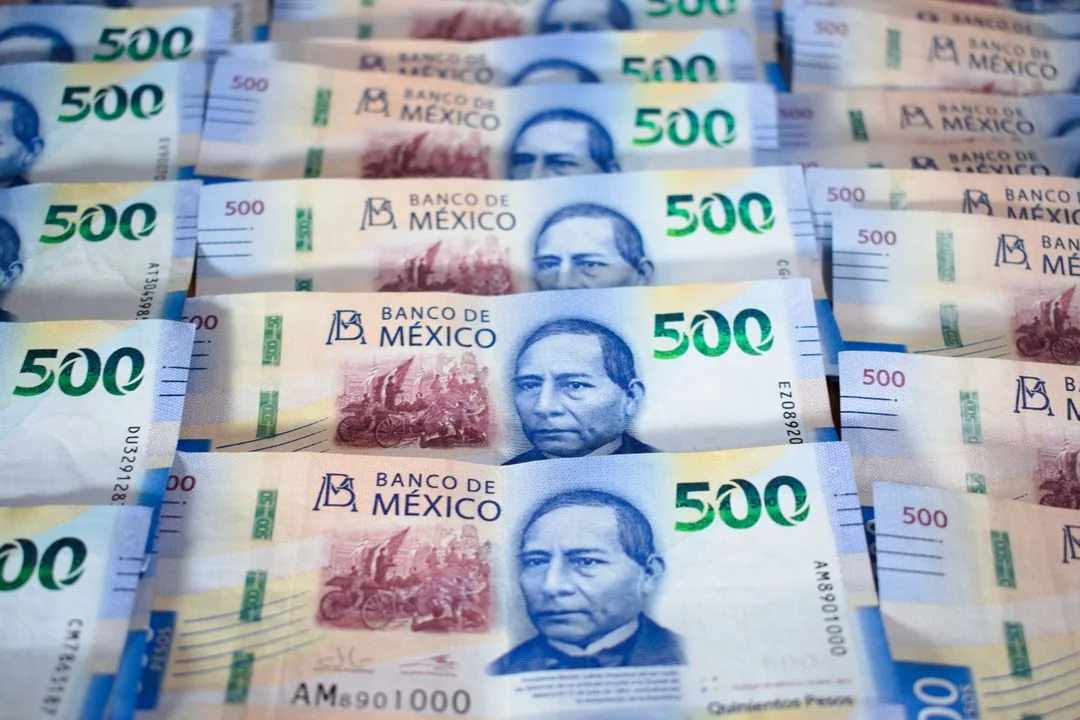
Banco de México recorded US$5.571 billion in July inflows. BBVA Research estimates their purchasing power fell once exchange rates and Mexican prices were taken into account.
The anniversary of the pension reform falls in September. The savings withdrawal allowance follows the tax year, which helps explain the figures emerging from fund administrators.
The first-quarter accounts put real output, current-price output and private spending in the same release. Each answers a different question about the rupees changing hands.
A reverse split changes the unit in which a company trades. CalciMedica’s notices also show why the effective date, trading date and treatment of fractional shares deserve a separate look.
Preliminary figures for Tokyo’s wards put annual price growth at 1.9%. The rate changed when statisticians removed fresh food, and changed again when they also removed energy.
Canada’s households saved 3.7% of disposable income in the second quarter. A one-time payment to eligible families helps explain why the national figure offers a poor guide to savings at the kitchen table.
Australia’s Woolworths Group credits stock flow and clothing choices with reviving its discount chain. The parent’s accounts show how to put that A$97 million swing in perspective.
The Danish toymaker reported DKK 2.1 billion of free cash flow after factory investment and an acquisition. The gap shows what growth costs before the next brick is sold.
South Africa’s Treasury wants a central administrator for unclaimed assets, starting with retirement benefits. Its consultation brings out the difference between finding a possible match and proving a claim.
Official creditors accepted the terms of Ethiopia’s proposed bond restructuring. Their reservation concerns an option whose eventual value depends on what happens next.
The national price index rose 4.3% over the year, but food, transport and municipal charges moved at markedly different rates. July’s figures make more sense alongside a household’s actual bills.