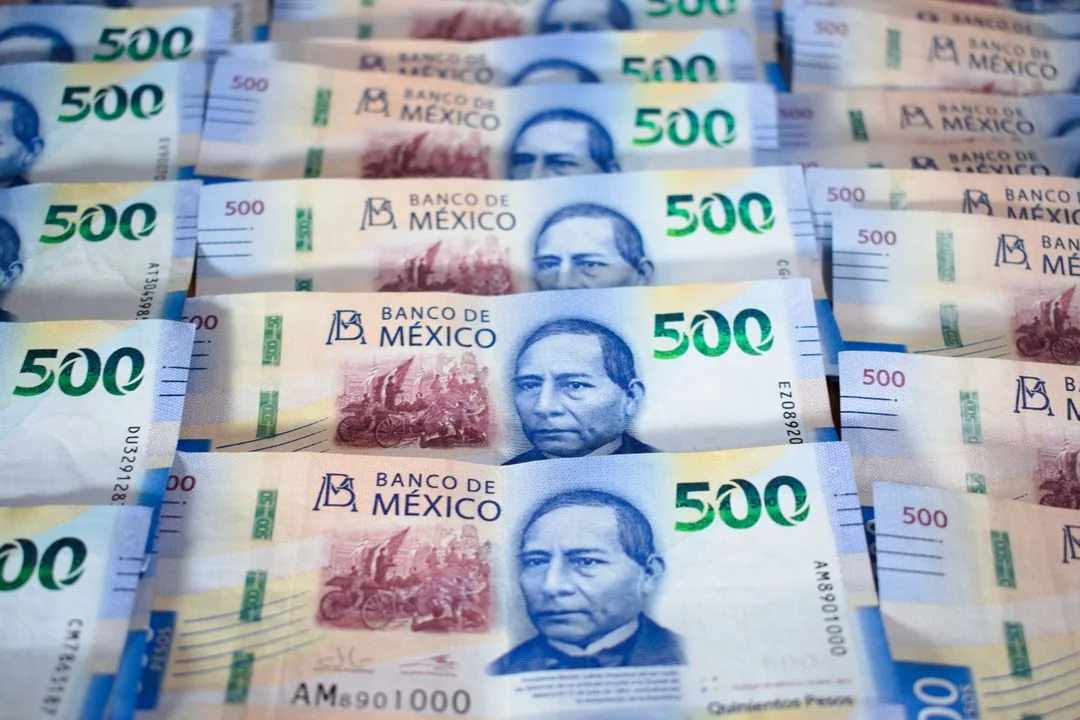
- July’s US$5.571 billion in incoming remittances was 3% higher than a year earlier.
- BBVA Research estimates an annual decline of 6.5% in real terms.
- Electronic transfers made up 99.1% of the value of inflows between January and July.
Inside this story 2 perspectives
A transfer receipt can carry two perfectly accurate numbers that tell different stories about the same family. One number records how many dollars someone sent. The other says how many pesos reached the recipient in Mexico. Neither shows how much those pesos will cover at the local shop. For Mexican families with relatives working abroad, all three measures matter.
Figures published by Banco de México on 1 September put incoming remittances at US$5.571 billion in July, 3 per cent more than in July 2025. It was the sixth consecutive month in which the dollar total had risen from a year earlier. The stronger inflow, a measure watched closely on both sides of the border, need not have felt like a pay rise to a household on the receiving end.
What happens between currencies
BBVA Research estimates that the purchasing power of July’s remittances fell 6.5 per cent compared with a year earlier. Its calculation reflects two changes. The dollar bought fewer pesos, and prices in Mexico had risen. In BBVA’s analysis, the exchange-rate effect was the larger of the two. A gain measured in the sender’s currency was therefore more than absorbed before it could translate into additional purchases.
Take a household whose relative sends exactly the same dollar amount each month. If each dollar converts into fewer pesos than it did the year before, the family receives less Mexican currency before paying a single bill. If food and transport then cost more in pesos, the smaller amount stretches less far again. The household’s experience would also depend on the exchange rate and fees applied to the particular transfer.
A national total and an individual receipt
The central bank’s dollar total combines transfers of different sizes to different families. It can rise because there are more transfers, because the average one is larger, or because both things happen together. It cannot establish that every household receives support more frequently. Nor does a national estimate of purchasing power capture a particular family’s mix of rent, bills and essential purchases.
The way the money travels is much less ambiguous. In the first seven months of 2026, electronic transfers accounted for 99.1 per cent of the value of incoming remittances, according to the central bank. That figure applies to the January-to-July total. It describes the channel, without indicating which exchange rate a customer obtained or how the recipient ultimately used the funds.
The July figures answer two different financial questions. For someone tracking the flow of foreign currency into Mexico, the increase was real and measurable in dollars. For a family budgeting its next trip to the market, the relevant calculation begins with the pesos that actually arrived.