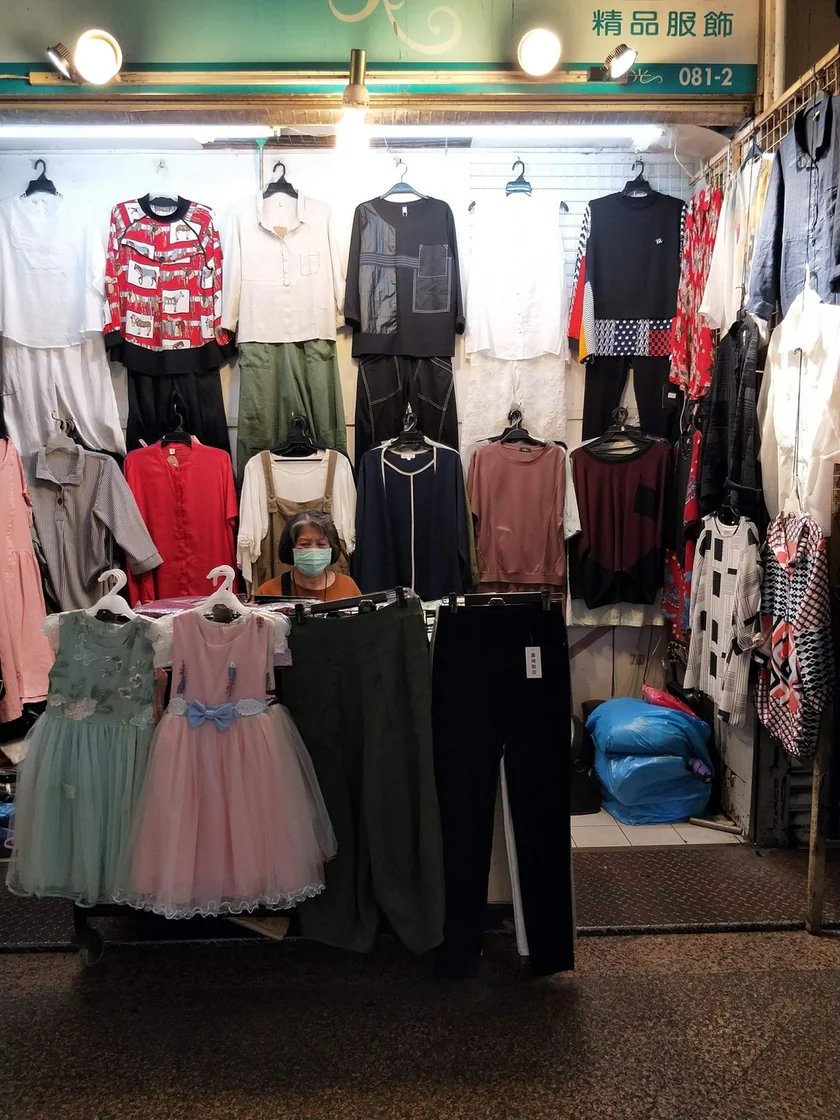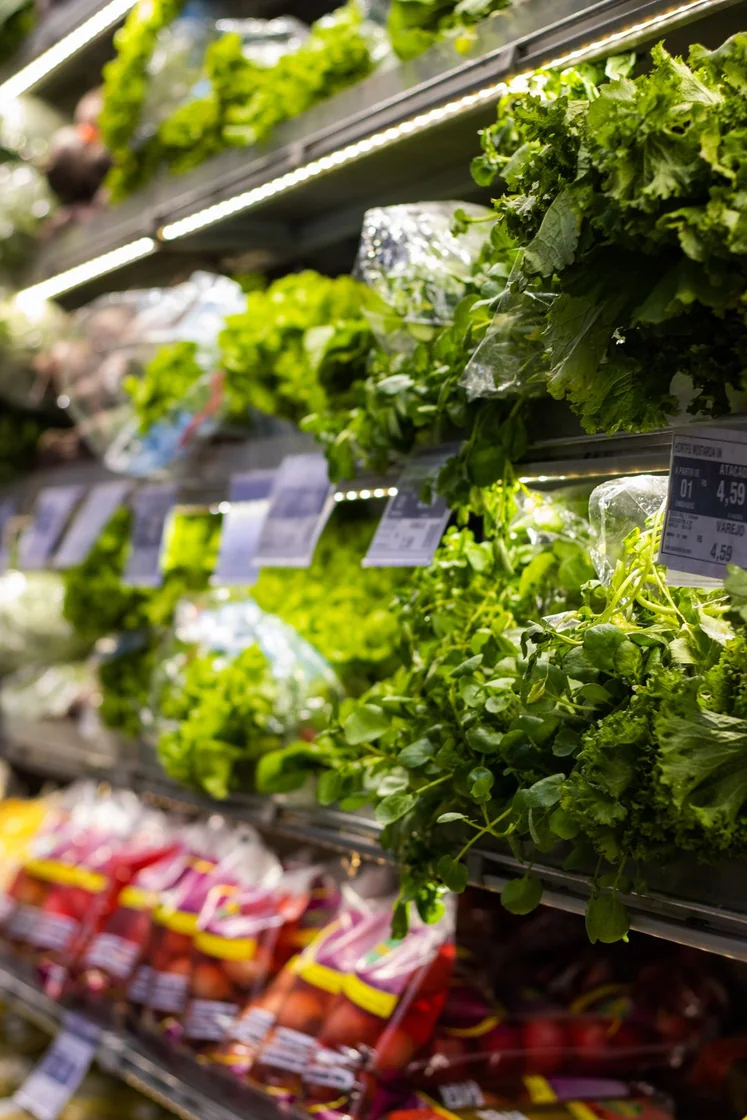
- Brazilian household consumption fell 0.4% from the first quarter, seasonally adjusted.
- It remained 0.5% higher than in the second quarter of 2025.
- The finance ministry estimated an inventory contribution of 0.9 percentage points to quarterly GDP growth.
Inside this story 2 perspectives
A Brazilian manufacturer can finish a refrigerator in June and sell it to a family in July. The work of making it belongs to the second quarter. The family’s purchase belongs to the third. While the refrigerator waits, the manufacturer has a finished product in stock. The example helps account for an apparent contradiction in Brazil’s latest figures: the economy produced more between April and June even as households bought a little less.
Brazil’s statistics agency, IBGE, reported on 1 September that economic output rose 0.5% from the preceding quarter. Household consumption fell 0.4% on the same seasonally adjusted comparison, after rising 0.8% in the first quarter. Over a longer interval the picture changes again. Households consumed 0.5% more than they had in the second quarter of last year. A recent decline and a modest annual increase can both describe the same spending.
Where the unsold refrigerator goes
In a set of national accounts, goods produced during the quarter do not have to reach their final customers by its last day. They can add to inventories. When a buyer eventually takes the appliance home, the accounts can recognise the household purchase and reduce the stock of goods held. That avoids counting the production of one refrigerator twice.
Brazil’s finance ministry estimated that the change in inventories contributed 0.9 percentage points to quarterly growth. It derived that amount as a residual, the part remaining after the other components were accounted for. That is a reason to read the figure carefully. It cannot identify which warehouse held additional goods or whether a business deliberately prepared for more orders. The ministry also calculated that the external sector subtracted 0.4 percentage points as exports fell and imports rose.
The view from the checkout
Households were only one source of domestic demand. Government consumption rose 0.4% from the previous quarter and fixed investment increased 1.2%, according to the ministry. An investment in machinery and a family’s purchase of a new appliance each enter the accounts, but in different places. A growing investment figure need not show up immediately as more spending in the shops a family uses.
For a small business, the distinction becomes particularly useful when reading economic headlines alongside its own records. The number of units finished, the number delivered, and the money customers actually paid during the quarter can tell three different stories. A household has a similarly specific view of the economy through what its income can buy. Brazil’s output figure measures activity that neither viewpoint captures in full. The household consumption figure comes closer to the checkout, even as some of the quarter’s production is still waiting for a customer.