- The show is scheduled for 11 December 2026 to 15 August 2027.
- Workshops took place in Lagos, Tangier, Nairobi, Dakar and Cape Town.
- Julie Mehretu’s BMW Art Car will appear in the atrium, with the exhibition on Level 4.
Inside this story 2 perspectives
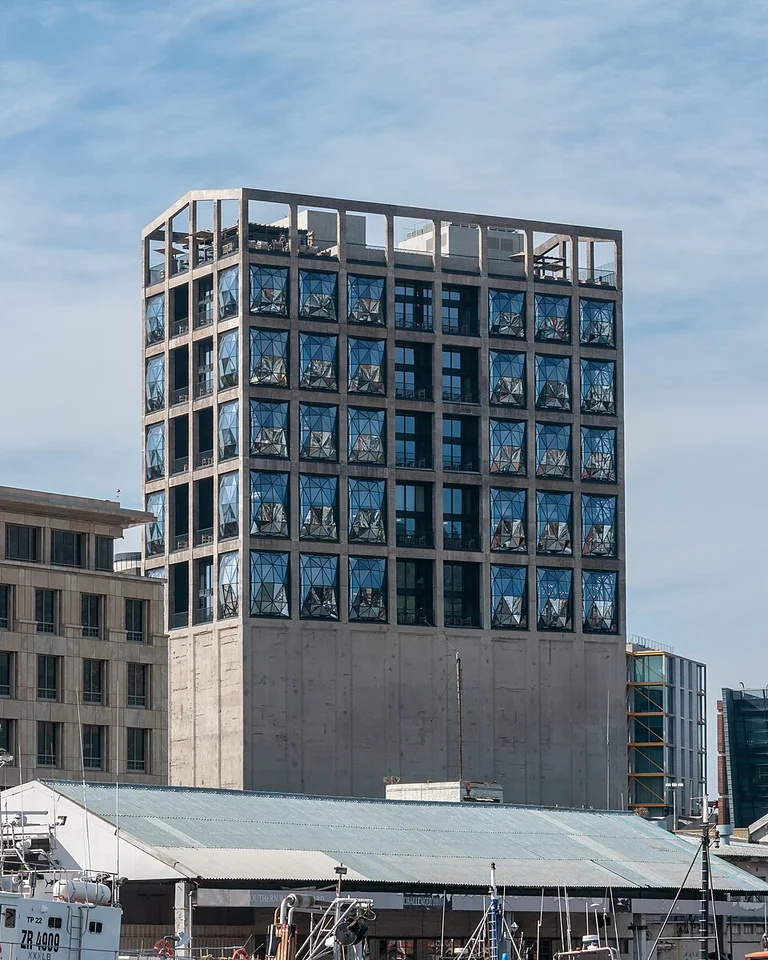
A film programme usually starts with a list of directors and titles. A new exhibition scheduled for Cape Town starts one step earlier, with the question of where filmmakers learn from each other. On 15 October, Zeitz Museum of Contemporary Art Africa described plans for Turning Towards the Sun, a collaboration with the African Film and Media Arts Collective and BMW. Its history runs through workshops in Lagos, Tangier, Nairobi, Dakar and Cape Town.
The museum plans to show work by Ethiopian director Zeresenay Berhane Mehari, French-Senegalese filmmaker Mati Diop, Kenyan artists Jim Chuchu and Wanuri Kahiu, African-American poet Robin Coste Lewis and the British artist collective The Otolith Group. Visitors will also find a genealogy of cultural institutions and people who helped make the continent a place where knowledge about filmmaking is produced and exchanged. The show is due to open on 11 December and run through 15 August 2027.
What happened after an art car commission
The starting point was a commission to Julie Mehretu to design BMW’s twentieth Art Car. It offered an unusual opportunity to build a project beyond the single object that the company had commissioned. Mehretu, filmmaker Mehret Mandefro and the late Zeitz MOCAA director and chief curator Koyo Kouoh helped develop the collective and its workshops. Several artists taking part in the exhibition led sessions in the series.
The car and the moving-image exhibition will occupy different parts of the building. Mehretu’s vehicle is destined for the museum’s Atrium Bowl. The exhibition will occupy Level 4. That physical separation gives a visitor two ways to trace the commission’s development. One is to look at what an artist did to a particular car. The other is to follow what happened when the opportunity generated by the commission was put towards people working in other media and cities.
The figures outside the frame
The museum says the video installations will explore subjects including women’s anger, Black queer masculinities, younger people’s experiences of political change and the possibilities of animation in dialogue with Nigerian writer Amos Tutuola. It does not assign the same subject to all six participating artists. A programme about shared institutions can acknowledge those very different interests without requiring them to announce a single theme.
Curator Khanyi Mawhayi’s framing returns to something that is easy to lose when one film follows another on a screen. Teachers, programmers, workshop organisers and institutions make it possible for artists to see one another’s work and respond to it. Their names rarely occupy the same place in public memory as the person credited as director. By placing that history alongside the commissioned work, the museum is making the act of gathering to learn about cinema one of the subjects of the exhibition.