- A concrete example gives an interviewee room to explain a sequence of actions.
- Use neutral follow-ups before suggesting a cause or solution.
- An interview can reveal an experience, while a separate study is needed to estimate how common it is.
Inside this story 2 perspectives
Suppose an organisation wants to find out why people abandon an online booking form. An interviewer might ask, “Was the form too confusing?” The answer could be yes. It could even be sincere. But the question has already supplied both the verdict and the suspected cause. The team still has little idea what its customer actually saw or did.
NC State University Libraries scheduled an introduction to qualitative research methods on 28 October. The course description includes interviews, observations, focus groups and the interpretation of material they produce. A small exercise for anyone who interviews colleagues, customers or research participants is to rewrite the opening question around a particular occasion.
“Think about the last time you tried to book. What did you do first?” gives a person a place to begin without asking them to agree with an explanation. The follow-up can be equally simple. “What happened next?” invites a sequence. “What did you expect at that point?” can reveal a mismatch between the words on the screen and the person's understanding of them.
Decide what you need to learn
A semi-structured interview has a plan and space for an unexpected answer. Before you begin, write down the decision the evidence will inform. A team trying to improve the moment at which people select a date needs to hear about a different part of the experience from one trying to discover whether the available appointments are suitable at all.
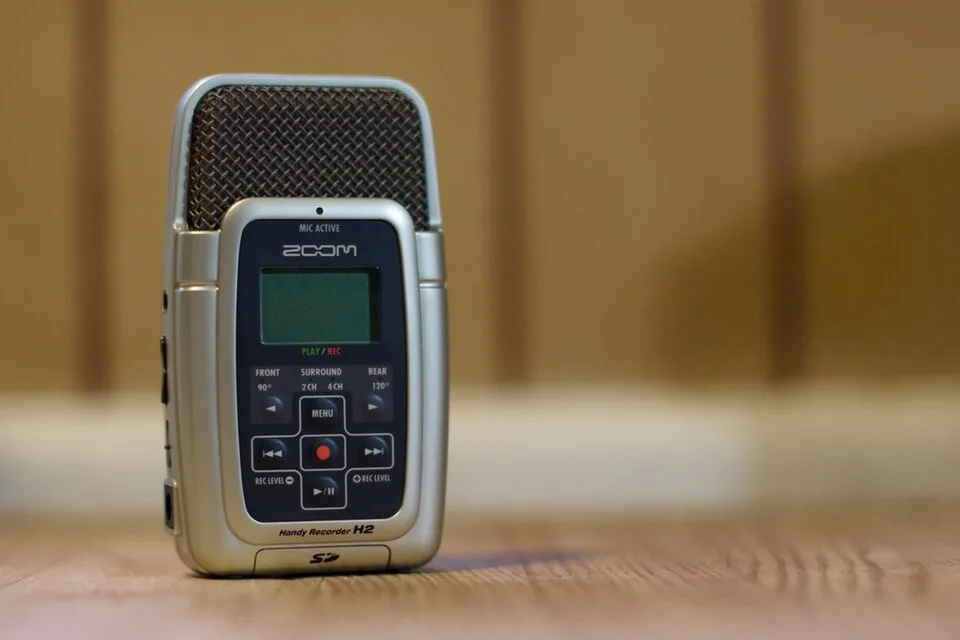
Keep a few open questions in a guide, along with a neutral prompt under each. Try them aloud with a colleague. If a question assumes a problem, contains two questions or requires someone to remember something they could not reasonably know, shorten it. Give the participant enough information about the purpose and their choices, including whether the conversation is being recorded. Seek their agreement before starting.
Leave the interpretation for a second pass
When a participant says they stopped at the calendar screen, record their words and ask what made them stop. Maybe the displayed dates were unclear. Maybe none worked with a shift rota. Maybe someone interrupted them. Each explanation suggests a different next step. An interviewer's early guess can make it harder for the person to volunteer the answer that actually fits.
Afterwards, distinguish what the participant described from the team's interpretation. One account is evidence that somebody had a particular experience. It does not establish how often that experience occurs among all users. A team may need usage records or a wider survey to answer that question.
A short handover can preserve the difference. Give a colleague the observed sequence, the working explanation and the one thing you would ask the next participant. It is a more useful result than a page of agreement with the interviewer's opening theory.