- The nearly $8 million award will support collaborative research and training across Idaho.
- Heat, radiation and mechanical stress are separate challenges for microelectronic materials.
- The grant is distinct from Micron’s larger fabrication investment in Boise.
Inside this story 2 perspectives
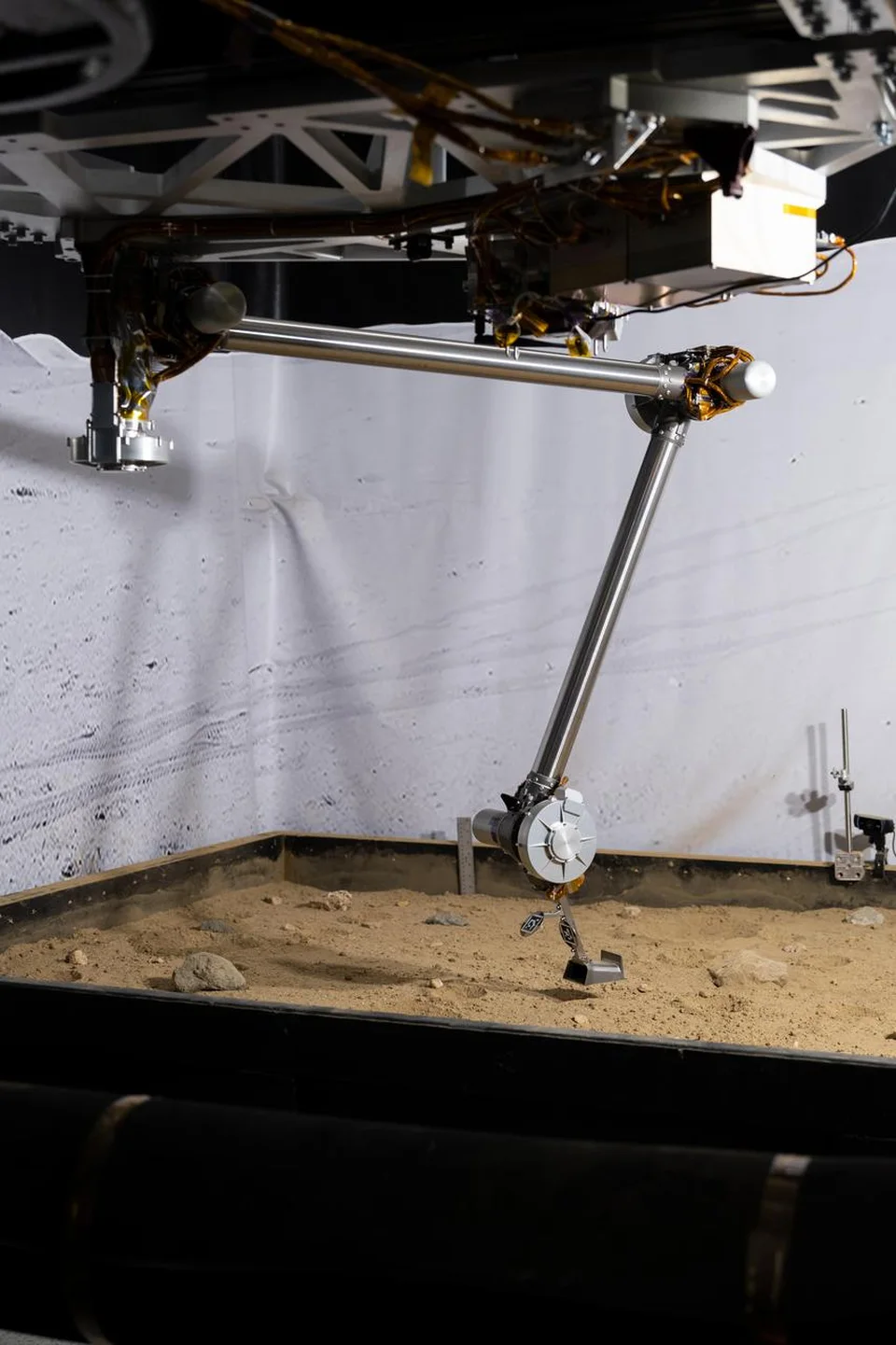
A chip on a laboratory bench can be an unreliable guide to what the same material will do near a very hot energy system. It may encounter heat, mechanical strain or radiation that an ordinary device rarely experiences. On 31 August Boise State University announced a US National Science Foundation award of nearly $8 million to build a research network around those conditions. The investment brings community colleges into the same project as established materials laboratories.
The programme, called XTREME, links Boise State and the University of Idaho with the colleges of Western, Southern and Eastern Idaho. Brigham Young University–Idaho, Micron Technology and Idaho National Laboratory are also among the partners. It is Idaho's first award under the foundation's E-RISE research capacity programme. Training and shared infrastructure are explicit parts of the grant, alongside the investigation of materials.
A question that crosses laboratory doors
A sensor in a demanding environment has two jobs. It must register a change in the system it measures, and its own materials must behave consistently enough for the reading to mean something. When researchers expose a candidate material to stress, they are also investigating the conditions under which a reading can still be trusted. The project describes temperature, radiation and mechanical stress as distinct lines of inquiry. Surviving one leaves questions about the others open.
The Idaho partners bring different equipment and experience to those questions. The University of Idaho points to materials research at its Idaho Falls campus. Boise State has a Micron-supported materials research centre and describes years of collaboration with the national laboratory on advanced sensors and instrumentation. A joint programme can give a student access to a method at one institution and a researcher familiar with the measurement problem at another. That is a different outcome from buying a single new instrument.
The longer investment
Boise State sets the award against a much larger change in the region, Micron's $25 billion investment in fabrication in Boise. The figures describe separate things. The federal award supports research and skills across participating institutions. The company's investment is in manufacturing capacity. A new factory does not by itself equip a technician to interpret an unusual test result or a graduate student to design a better comparison.
For students, the presence of three community colleges changes who can enter that conversation. For employers, a regional network offers a way to bring practical questions to laboratories that may otherwise pursue them separately. Neither outcome amounts to a finished electronic component. The immediate result of the grant is a funded collaboration around a family of difficult measurements. Its eventual technical value will depend on the materials the researchers can characterise, the reliability of their results and the people able to carry that knowledge into the next project.