- National Dictionary Day falls on 16 October, Noah Webster’s birthday.
- A first-known-use date generally identifies the earliest written evidence the editors have located.
- Read the sense, citation and date together before claiming a person or book invented a word.
Inside this story 2 perspectives
An enticing classroom game begins by asking students to find a word as old as they are. A dictionary tool that groups words by the year of their first known use makes it easy to produce a list. The more interesting game begins with a second question. What would we have to know to say that one of those words was actually born in that year?
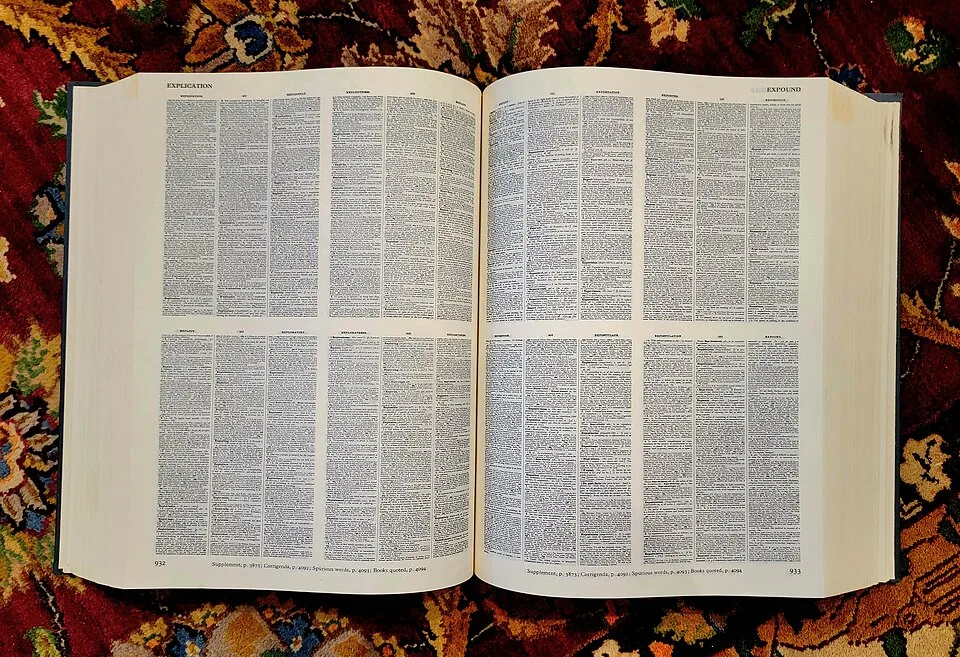
The United States marks National Dictionary Day on 16 October, the birthday of Noah Webster, who was born in Connecticut in 1758. His large American Dictionary of the English Language appeared in 1828. For today's readers, a date under a word's definition is a chance to practise a habit that works far beyond dictionaries. Before repeating a fact, identify what the source has actually dated.
Separate a word from the evidence for it
The first-known-use date in a contemporary dictionary generally records the earliest written or printed example its editors have been able to find for the relevant word or sense. The word may have circulated in conversation long before anybody wrote it down. Even if it was written down, a local newspaper, notebook or letter may never have reached the particular collection a researcher searched.
Imagine finding a term in a newspaper printed in 1930. That is good evidence that someone used it by 1930. It cannot tell us on its own who coined it or how long its readers had already known it. If a dated letter from 1922 later turns up with the same sense, the evidence can move the earliest known date back. The people who used the word have done nothing new. What has changed is the record available to us.
Read the sentence around the word
A useful classroom exercise starts with a word a student has heard in a film, song, conversation or book. Write down the sentence and explain the meaning it carries there. Then compare it with the senses in a dictionary entry. A familiar spelling can have accumulated more than one meaning, and being able to date an older use need not date the sense in the student's example.
Finally, see whether the source offers a quotation, a title or a date that another person could follow up. Put those details beside the claim in a sentence of your own. Saying that a particular dictionary records a particular sense by a given year is more precise than declaring that an author invented a word. It is also an invitation for the next reader to keep looking. That is an appropriate way to celebrate a reference book whose editors can change an entry when somebody brings them better evidence.