- Chippenham’s second repair café is scheduled for 3 October at The Cause.
- At the launch, volunteers recorded 16 successful general repairs among 22 items examined.
- Organisers normally allow around 20 minutes for an initial investigation and repair attempt.
Inside this story 2 perspectives
The useful thing to bring to a repair café, alongside the item itself, is a good description of the last time it worked. A bag whose zip will close but then separates has a different problem from one whose slider never moves. You do not need to know the name of the faulty part to explain the difference. That kind of observation is worth a great deal when a volunteer has around twenty minutes to examine what is wrong.
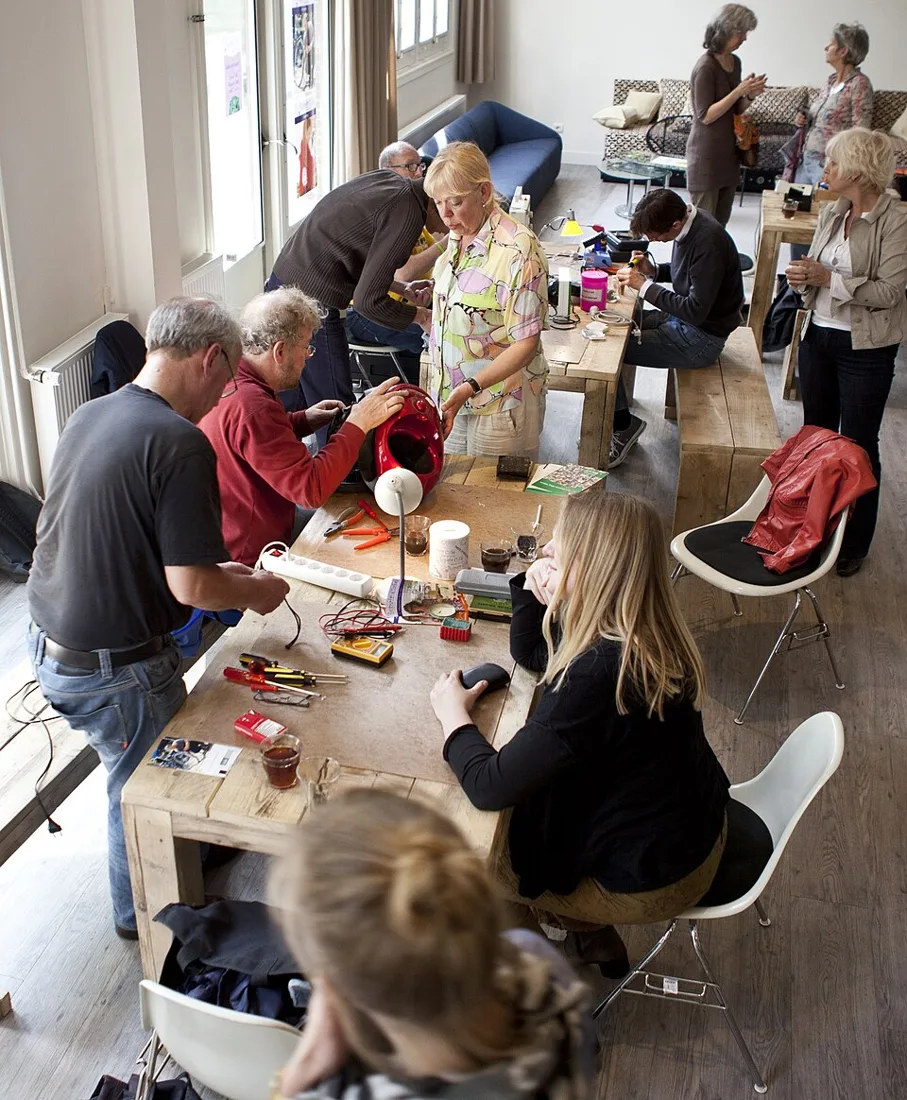
That is the time Zero Chippenham says it generally allows to investigate and attempt a repair at its new café in Wiltshire, though some jobs take longer. Its second session is scheduled for Saturday, 3 October, from 10am to 1pm at The Cause in Chippenham. Visitors are encouraged to sit with the repairer and follow the work. This changes what a person can reasonably hope to take home, even when the object still needs a part or more time.
A short history of the fault
Start at the moment the problem revealed itself. What were you trying to do? Was the failure sudden, or had it happened occasionally for a while? If it is intermittent, say so. “The catch closes when the bag is empty, but comes open when I carry it” gives a repairer something to investigate. “The catch needs replacing” quietly skips the investigation. The owner has direct knowledge of the first statement and may simply be guessing at the second.
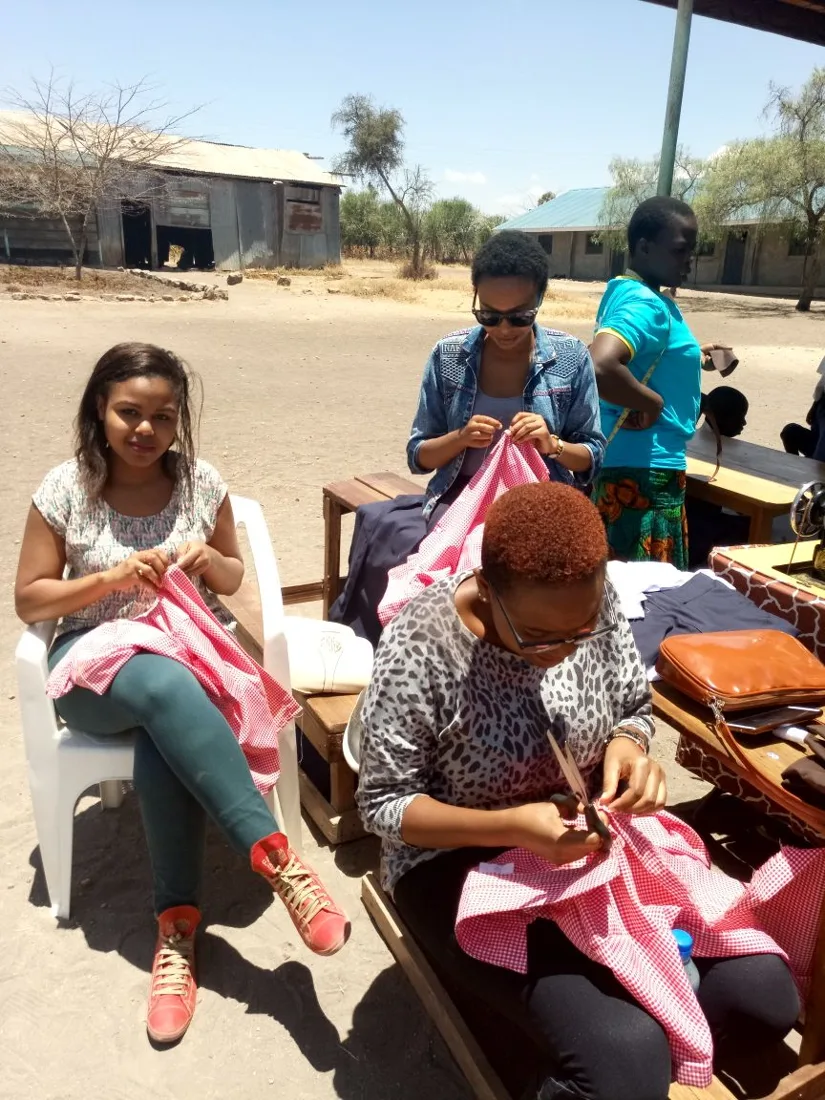
The Chippenham programme covers sewing repairs, general and electrical items, plus cycle checks and small bike repairs with Cycle Chippenham. Sewing alterations fall outside the advertised service. The point of describing the fault begins before anybody sits down. An organiser can direct a split seam to the sewing table while someone seeking an alteration can learn straight away that a different service is needed.
What counts as a result?
The café’s September launch brought together 13 volunteers. Its organisers recorded 22 general items examined and 16 repaired successfully. Two cycle repairers also carried out checks or small repairs on 15 bikes brought by 12 participants. Those numbers describe separate parts of the launch. An item examined, a bicycle checked and a completed repair each count something different.
For someone sitting beside a repairer, there is one more result worth recording. Write down what the volunteer established, which part may be needed and what is still uncertain. A fabric repair might leave its owner able to recognise where strain is building again. A repair that must stop for lack of a part can still end with an accurate description to give a specialist. A café visit lasts part of a Saturday morning. Knowing how to notice and explain a fault is a skill the visitor can take to the next object, too.