- Epsom’s free fair was scheduled from 11am to 2pm on 19 October.
- The local programme includes accessibility, job searching and the NHS App.
- Wakefield’s timetable offers family-history research as another starting point for digital learning.
Inside this story 1 perspectives
A person who wants help with a job application may have little interest in signing up for something called digital inclusion. A person who needs to use the NHS App may have a very specific question about the phone they already own. The free fair scheduled at Epsom Methodist Church on 19 October takes those tasks seriously. Between 11am and 2pm, Epsom and Ewell Borough Council offered residents an opportunity to speak to local organisations about the services and devices they use.
The council’s listed topics ranged from job searching and mobile phones to accessibility, online safety and the NHS App. The organisations it expected included the Department for Work and Pensions, a libraries representative, the NHS, Sight for Surrey and local community groups. Their presence in one place is an important feature of the design. A person who asks for help using a phone may discover that the difficulty lies in the design of one service, or in the size and contrast of an interface, rather than in a general lack of ability.
Start with a recognisable task
A practical question gives a short session a beginning and an end. Can I find a vacancy again after closing the page? Can I enlarge text without losing the part of the form I need to read? Can I tell when an application has actually been submitted? These are examples of questions a visitor might bring, not a promise that a particular organisation can resolve every account problem on the day. They have the advantage of making it clear when the learner has accomplished something useful.
Wakefield’s programme for the same national Get Online Week offered a revealing comparison. On Monday it listed family-history research at Wakefield Library, an informal session at the Featherstone Rovers Foundation and a digital drop-in at Normanton Library. Family history gives a learner a personal reason to practise searching, comparing results and saving a record. Someone who would never attend a general computer lesson may be willing to spend time on those skills in pursuit of a relative’s story.
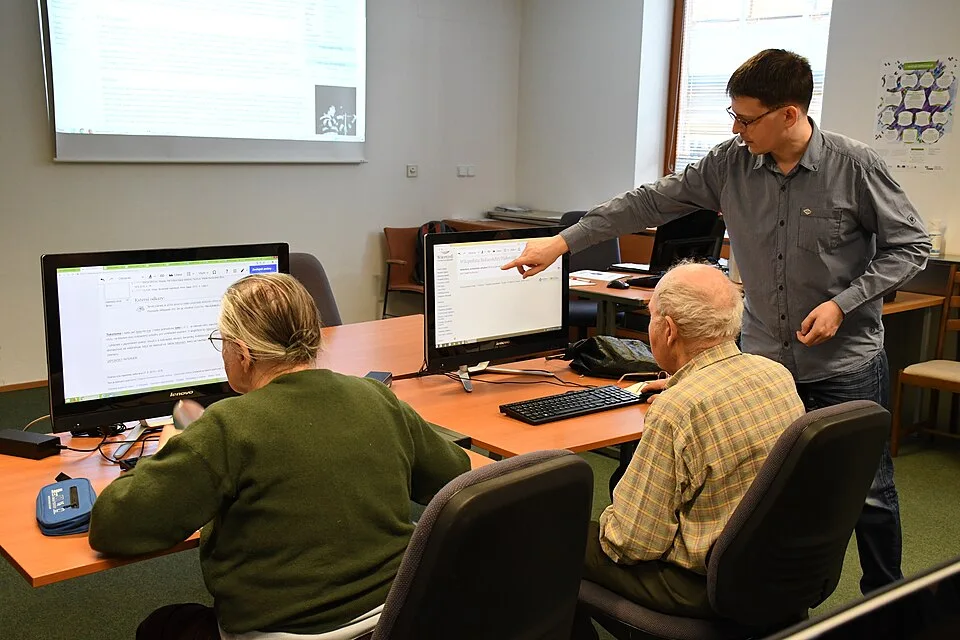
The difference between someone demonstrating a task and a learner repeating it is particularly important with a device the person will take home. The useful test is whether they can find their way back to the relevant screen, recognise what they need and explain where they got stuck. A short written record of that step can carry more value than a long list of features they have seen once.
Digital confidence is easily described in the abstract. The council programmes give it a more exact meaning. It might consist of completing one form, reading a screen comfortably or finding one family record without having to hand the device to somebody else.