- Global Media and Information Literacy Week runs from 24 to 31 October.
- A registered project involves twenty Cameroonian school newspaper clubs across three regions.
- The competition gives student journalists an opportunity to apply earlier training.
Inside this story 1 perspectives
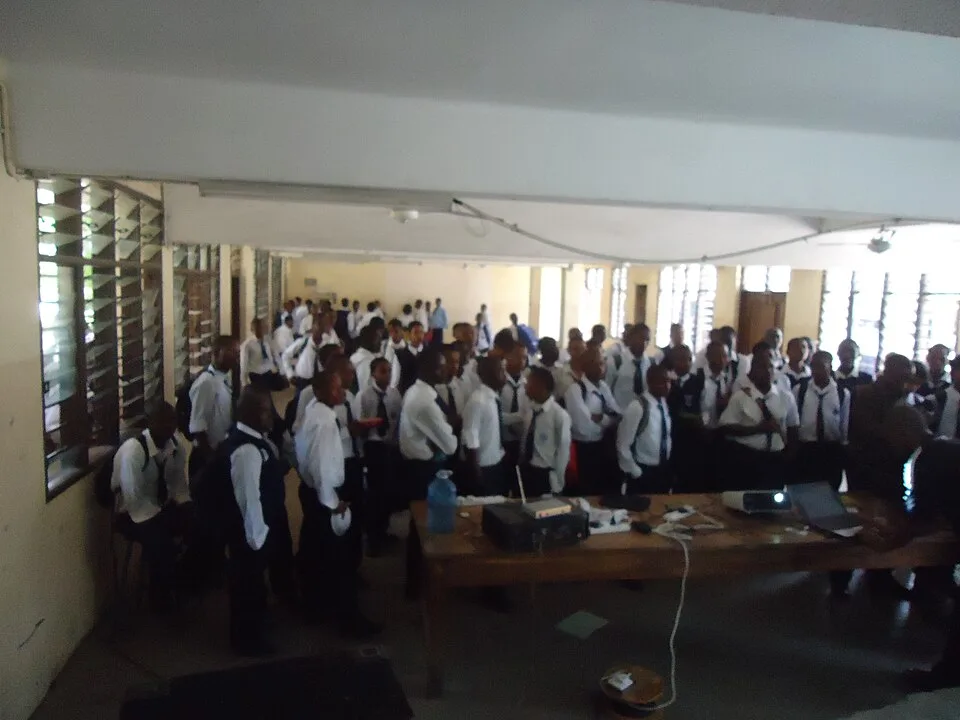
A pupil preparing a story for a school newspaper has an advantage over someone working through an abstract exercise about misinformation. The audience is close enough to ask what went wrong if an announcement is inaccurate. UNESCO’s list of events for Global Media and Information Literacy Week includes a competition involving twenty school newspaper clubs in three regions of Cameroon. Their project began on 14 September and runs to 31 October. When the international week opened on 24 October, the clubs already had an active setting in which to use the skills under discussion.
The competition is intended to showcase what pupils acquired in earlier training and encourage participation in school media. It sits within a decentralised global programme that includes educators, journalists, researchers, youth groups and people who create content online. A school newsroom gives that broad ambition a limited, manageable brief. Someone must decide what is known about a local event, what remains uncertain and how the publication will communicate the difference.
An announcement worth checking
Imagine a pupil receives a photograph of a notice saying an activity has moved to a different day. Before publishing it, there are several separate questions to answer. Who issued the notice? Does it refer to the current year? Is the changed date for the entire school or a particular group? A clear photograph could establish the wording of the notice and still leave all three questions unresolved. Asking the organiser and comparing the response with a dated school announcement would produce a much stronger basis for a short report.
That example is illustrative; the UNESCO listing does not prescribe it as a competition assignment. Its value lies in the difference between practising suspicion and practising verification. A pupil simply told to distrust everything gains little help in deciding what to tell a reader. A pupil who traces a claim back to the person responsible for it, records when it was confirmed and explains any remaining gap can publish something useful.
There is also work to do after publication. If a school club distributes a correction in a later issue but leaves an inaccurate version circulating in a group message, some readers may never see the change. Thinking about where the original item went is part of understanding how information travels. A school is small enough for a young editor to see that problem and consider how to reach the same readers again.
UNESCO’s week runs to 31 October. For a participant in the Cameroonian competition, an article need not address an international controversy to demonstrate judgment. A modest piece of verified local news gives its readers information they can use and its author a genuine reason to care whether it is right.