- Ávila honours its patron Saint Teresa on 15 October.
- Yemas are small rounds made from yolks and sugar with a soft centre and crystallised exterior.
- Isabelo Sánchez’s nineteenth-century confectionery helped popularise the name Yemas de Santa Teresa.
Inside this story 2 perspectives
A sweet named after Teresa of Ávila comes in a little pleated paper cup. Pick it up and the outside is dusted with sugar. Inside is a yellow-orange centre made from egg yolk, soft enough to give way against the slight crunch of its covering. Yemas de Santa Teresa are one of the ways the Castilian city carries its patron’s name into ordinary life. On 15 October that name also fills the religious and civic calendar.
The city’s programme includes a Eucharistic celebration and procession from the cathedral at 11am on the feast day. This year’s celebrations extend beyond that morning. The city scheduled more than a hundred activities over nearly two months, with the main festive week opening on 9 October under the direction of illustrator María Muñoz de Fernando as its ceremonial herald. The confection has a quieter sort of public life. It is small enough to offer someone across a counter.
A shopkeeper and a possible convent connection
One clear thread in the sweet’s commercial history leads to Isabelo Sánchez. A history published by Diario de Valladolid identifies him with the Ávila confectionery originally called La Dulce Avilesa and later known as La Flor de Castilla. The shop dates to 1860. Its signature confection became widely known under the name Yemas de Santa Teresa. That version of the story identifies a person and a business that helped spread the name.
Go further back and the connection is less certain. The newspaper describes a possible relationship to sweets prepared at the convent of Santa Teresa. The possibility fits a familiar association between Spanish religious houses and confectionery, but it does not establish the identity of the first person to mix the ingredients. The history of a commercial name can be much easier to follow than the history of a recipe moving from one kitchen to another.
What makes the centre different from the surface
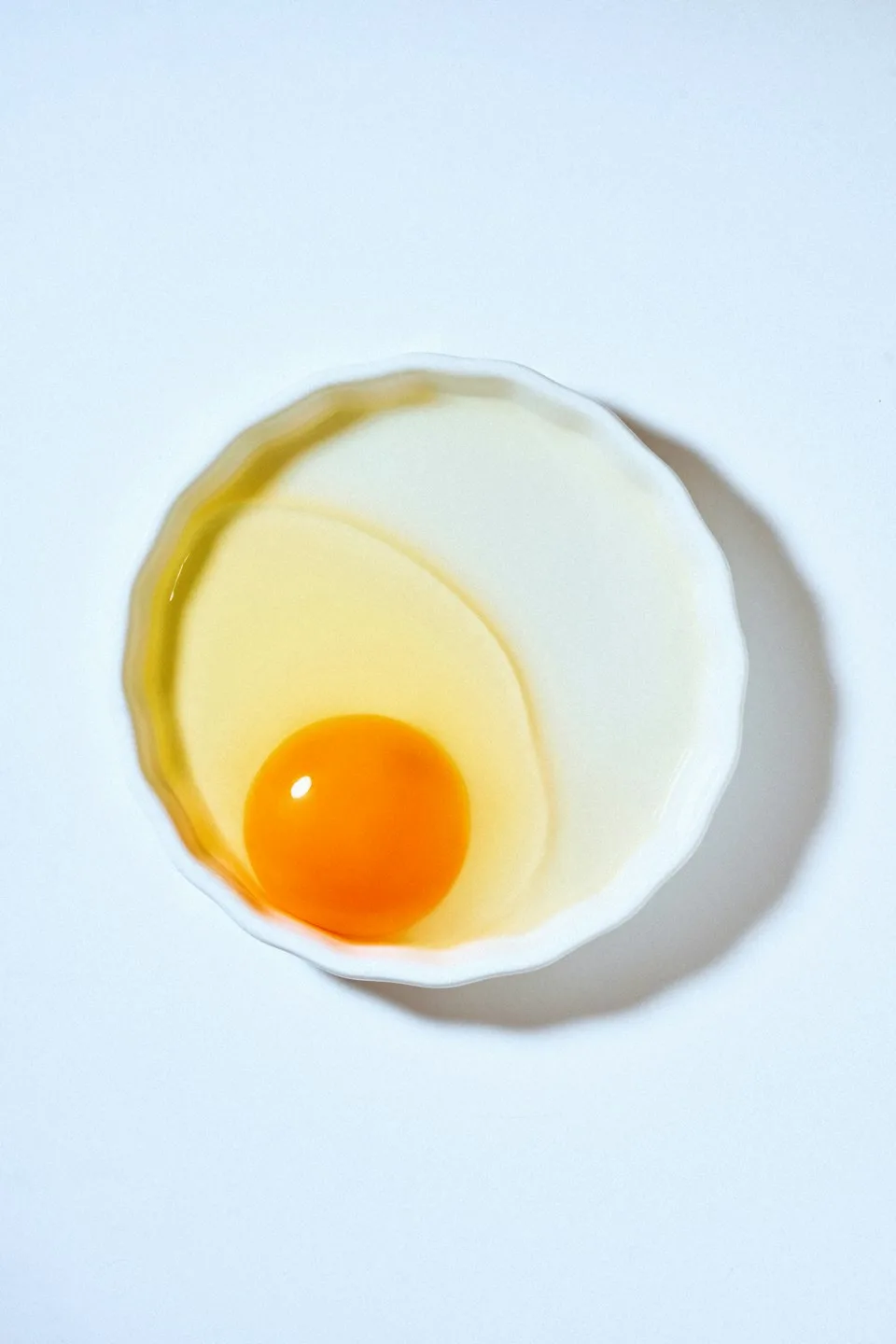
The Castile and León tourism guide begins its account of the process with the separation of yolks and whites. Sugar syrup, flavouring and yolks produce a mixture that can eventually be divided and rounded by hand. The small portions receive their own coating of sugar and paper cups. That last step leaves the same ingredient doing two jobs. The sugar inside gives the centre sweetness and body, while the visible crystals supply a different texture at the first bite.
A visitor could take in a procession, see the walled city and carry home a box of sweets without those experiences competing for attention. What connects them is a name that Ávila has kept in circulation for centuries. A yema is among the smallest things to carry it, and one of the easiest to share.