- Madrid’s published route avoids Puerta del Sol and Plaza de Cibeles this year.
- The city listed 1,250 sheep and 160 goats for the procession.
- A symbolic payment recalls a 1418 agreement over passage through the town.
Inside this story 1 perspectives
A tourist following photographs of earlier Madrid transhumance festivals might head to Plaza de Cibeles to watch the sheep arrive. For the 25 October procession this year that would be the wrong destination. Madrid City Council announced a shorter route that avoids Puerta del Sol and the usual city hall reception. The official welcome and a ceremony recalling an agreement made more than six centuries ago move to Plaza de la Villa. The change is a reminder of the very point the festival exists to make. Routes matter.
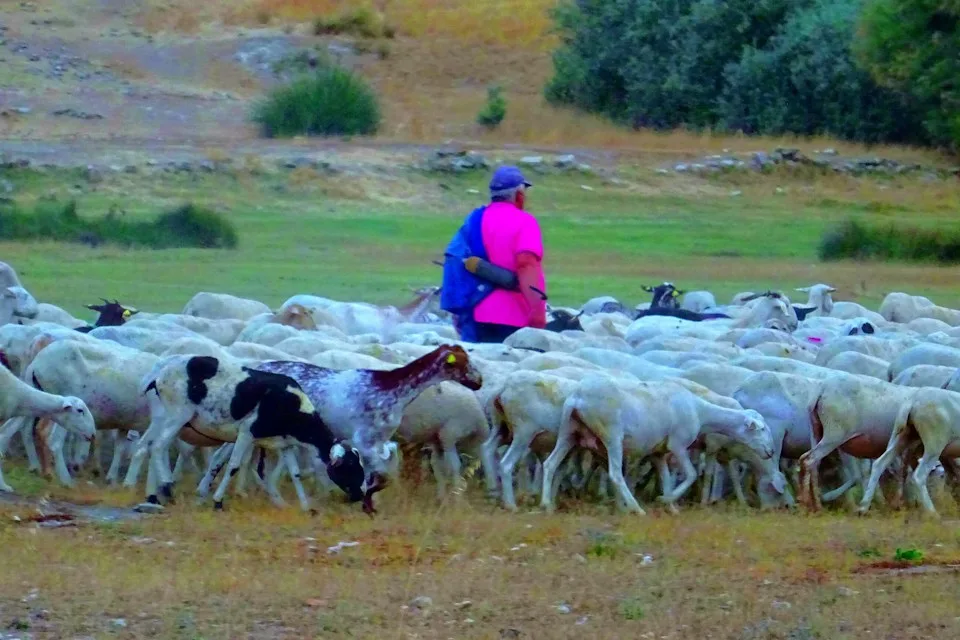
The city listed 1,250 sheep and 160 goats for the procession, accompanied by members of the Transhumance and Nature Foundation. The published itinerary starts at Casa de Campo, crosses Puente del Rey and runs into the centre, including Calle Mayor, Plaza de la Villa and Plaza Mayor, before eventually returning to the park. It gives spectators a chance to encounter a flock in streets normally used to move city residents, deliveries and visitors on entirely different timetables.
What the shepherds are paying for
At Plaza de la Villa the city scheduled the reading of a concord dating from 1418 and a symbolic payment of fifty maravedís per thousand animals. The payment recalls what shepherds owed for the use of routes and passage through the town. It is a small ceremony with a large practical idea behind it. People who move animals between grazing grounds need more than permission to be at the starting pasture and the destination. They need continuous access to the land that connects them.
The modern Madrid event began in 1994 as part of a campaign to protect drovers’ routes. Its organisers and the city now also draw attention to the value of these routes as ecological corridors and to the place of extensive livestock farming in rural life. A visitor can understand one aspect simply by looking at a city map. A flock may be able to use two open stretches of land yet be unable to reach one from the other when the intervening route disappears.
The festival’s surrounding programme offers a less crowded setting for learning about the animals. The Casa de Campo environmental education centre listed walks, sessions on pastoralism and an opportunity for families with children over seven to accompany the flock during its rest day. Those activities put the people who care for the animals in a different position from the colourful procession. They have time to explain why the animals move, how their work is organised and what a seasonal route requires.
The animals’ passage through a great urban square supplies the memorable picture. The old agreement supplies the explanation. Together they turn a Sunday outing into a view of Madrid as a place rural people once needed the right to cross, and where that right is still publicly remembered.