- Italy’s 11th global cuisine week opened on 17 November with regional producers and food traditions on the agenda.
- Senegal’s rice-and-fish tradition received its own UNESCO listing in 2021.
- A food tour or restaurant menu can acknowledge the people who pass on a dish as well as its ingredients.
Inside this story 2 perspectives
Italy opened its annual global cuisine week in Rome on Tuesday with a question that travels well beyond its borders. When a country invites the world to dinner, who gets introduced alongside the food? The foreign ministry put regions and the people who supply their ingredients on the agenda for this eleventh edition, the first since UNESCO recognised Italian cooking as intangible cultural heritage.
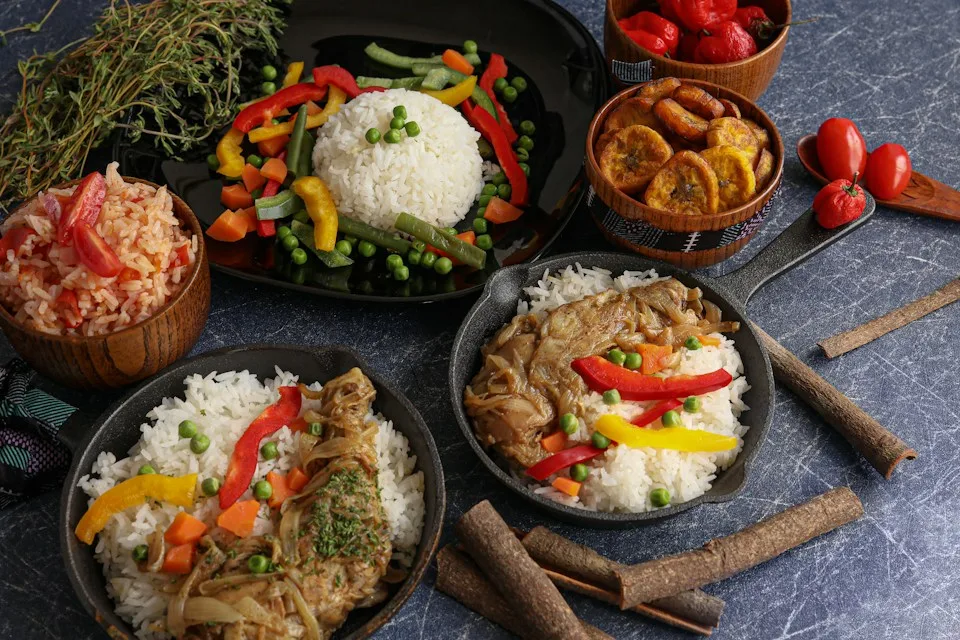
There is an illuminating comparison on the Atlantic coast of Senegal. Ceebu jën, rice with fish, received its own UNESCO listing in 2021. Associated with fishing communities in Saint-Louis, the dish can bring together broken rice, fish and whichever vegetables suit the season. Cassava might find its way onto the platter. So might cabbage or aubergine. A diner could photograph the finished lunch and still miss much of what the listing recognises.
The part that will never fit on a menu
In the account preserved by UNESCO, women traditionally teach the techniques to their daughters. Families often eat with their hands, while a restaurant might put out cutlery. Those details leave room for a dish to be both recognisable and adaptable. They also explain why a list of ingredients makes an incomplete record. Someone has to show a younger cook how the meal comes together, how to serve it and how to share it.
Italy’s government is working on a much larger canvas. Its international programme brings regional cooking into a discussion about tourism and agricultural exports. At the opening, the ministry presented an eight-part documentary series developed with Gambero Rosso to connect heritage sites, landscapes and regional food. The invitation for a visitor is to look beyond a famous dish and ask where its ingredients come from. Whether a campaign brings more business to the producer is a separate question.
A better question to ask at lunch
For a tour organiser building an itinerary around food, a Senegalese lunch points to a practical choice. The conventional programme leaves enough time for everybody to eat and board the bus. A different one makes time for a willing host to explain who taught them, what has changed and what they still insist on doing their own way. That is work. It deserves a place in the budget alongside the food.
A family can try a simpler version at home. Ask the person who usually makes a favourite dish to cook it alongside someone who has only ever eaten it. Write down the instruction they give just before tasting, or the substitute they choose when the usual ingredient is missing. It is often the detail nobody thinks to put into a recipe. That small exchange makes the meaning of culinary heritage rather easier to grasp.