- La Pittorica’s rules pair bicycles made before 1987 with clothing appropriate to their era.
- The Tuscan ride offers three routes with different amounts of climbing.
- Vicchio’s Fiera Calda provides a setting for people interested in local history and food as well as cycling.
Inside this story 2 perspectives
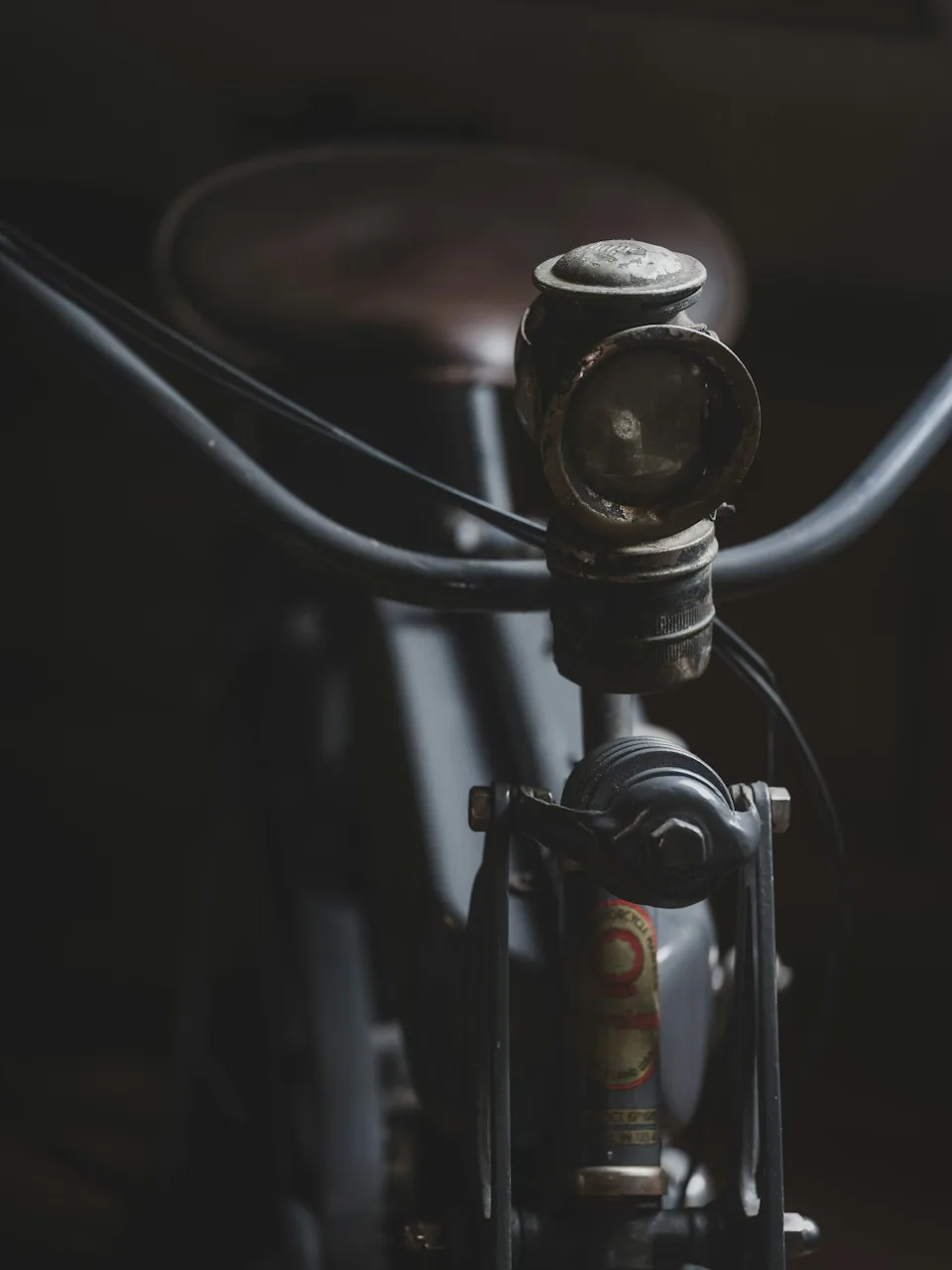
Most Sunday rides do not require a rider to check a bicycle’s birth year. La Pittorica, in the Tuscan town of Vicchio, makes it part of the invitation. The bicycle must date from before 1987, and its rider is asked to dress in a style appropriate to the machine. Two people can follow the same road and arrive looking as though they have travelled there from different decades.
The start for Sunday, 30 August, was set for 9am in Piazza Giotto. Much of the riding takes place on unpaved roads through the Mugello countryside. Organised by local cycling clubs during the town’s Fiera Calda, La Pittorica turns historic equipment into something people can still use. An older bicycle on a museum stand can tell a visitor when it was built. Out on a slope, it can also tell the rider what riding it demands.
Three routes from one square
On its route cards, organising club ASD Mugello Toscana Bike lists a 37-kilometre route with 370 metres of climbing, a 59-kilometre option with 630 metres and a 75-kilometre circuit with 1,020 metres. Earlier local previews gave somewhat different distances. The club’s road maps are the place to check the precise line of the ride.
Distance alone makes the longest sound about twice as demanding as the shortest. Its published total climbing is closer to three times as much. On a bicycle chosen partly for its age, that is a good reason to look at the hills before choosing a route. It also explains how a gathering built around the same set of equipment rules can offer genuinely different outings from the same square.
The fair on either side of the ride
The programme allows companions to put together a weekend of their own. Saturday’s schedule included a ride through the countryside and a guided visit to the Beato Angelico museum. Radio Mugello also listed book presentations about cycling history. For someone who would happily spend an hour looking at a bicycle but has little wish to take it uphill, the machines and the stories are accessible in town.
Food is part of the route as well. Local organisers advertised refreshment stops and a finishing meal featuring tortelli del Mugello, the area’s filled pasta. The club scheduled light-hearted prizes after lunch. Those details put a different emphasis on the finish line. The riders on the three routes have a shared destination and something to do once they get there.
A visitor following the weekend through photographs might remember the jerseys first. The more interesting relic is the journey itself. The old equipment gets a day of work, club members can explain it to people who have never ridden it, and the town has a reason to lay the table.