- World Porridge Day falls on 10 October, with St Andrew’s in Blantyre listing its local drive from 9 October.
- The school identifies Joshua Orphan & Community Care as the recipient of its food donations.
- Mary’s Meals runs a separate school-feeding campaign. Clarify which organisation and which type of contribution a local collection supports.
Inside this story 2 perspectives
Before asking a class to bring in food, write down the name of the organisation that is going to receive it. St Andrew's International Primary School in Blantyre supplies that detail in its World Porridge Day notice. The school lists a local collection from Friday 9 October for Joshua Orphan & Community Care. The international observance falls on Saturday 10 October. The named recipient turns a broad expression of generosity into something a family can act on.
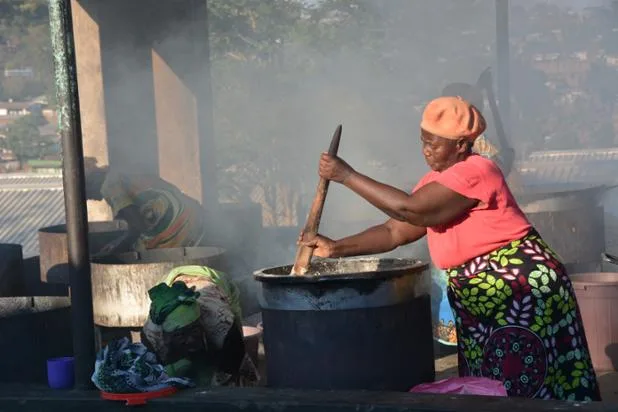
Across its own international programme, school-feeding charity Mary's Meals uses the day to raise funds and explain what a regular school meal looks like. Its 10 October statement describes likuni phala in Malawi as a maize-and-soya porridge enriched with vitamins and minerals. It says it buys food locally wherever possible. The charity's fundraising campaign and the Blantyre school's local collection offer different ways to organise around a bowl of porridge. Anyone joining a drive should be able to tell where their contribution is going.
Agree what help is actually useful
Start with the receiving organisation. Does it want a contribution towards purchases, or can it use specific food delivered to a named place? If it wants food, ask what it can store, which packages it accepts and when someone can take delivery. A bag collected with good intentions becomes another task for the recipient if it has nowhere dry to put it. Money can be more useful to a programme already buying its ingredients locally.
Give potential donors the answer in everyday language. Post the name of the recipient, the sort of contribution requested, the collection point and a contact for questions. A family that wants to help should not have to guess whether breakfast cereal, cooked porridge or dry ingredients belong in the same collection. Asking in advance is kinder to everyone than turning a contribution away at the school gate.
Count what was delivered
A classroom can take part in more than the collection itself. Children can help organise the handover or count what the recipient actually received. A message afterwards can explain what was delivered and express thanks without photographing individual children who will receive the food. A cash collection can report the amount transferred, while a food drive can report packages or quantities the recipient can confirm.
If an organiser wants to describe the value of a school meal, the people preparing and serving it have knowledge worth hearing. They know the ingredients ordinarily available, how the school day is arranged and what is practical to cook repeatedly. A single fundraising morning has a beginning and an end. Taking the recipient's advice about the days that follow is how that morning's effort can fit into the work already under way.