- EEP Africa awarded Solarise Africa €1 million towards a two-year programme.
- Solarise Africa will contribute a further €1 million in co-financing.
- Three megawatts of new capacity is a target for the end of the project.
Inside this story 2 perspectives
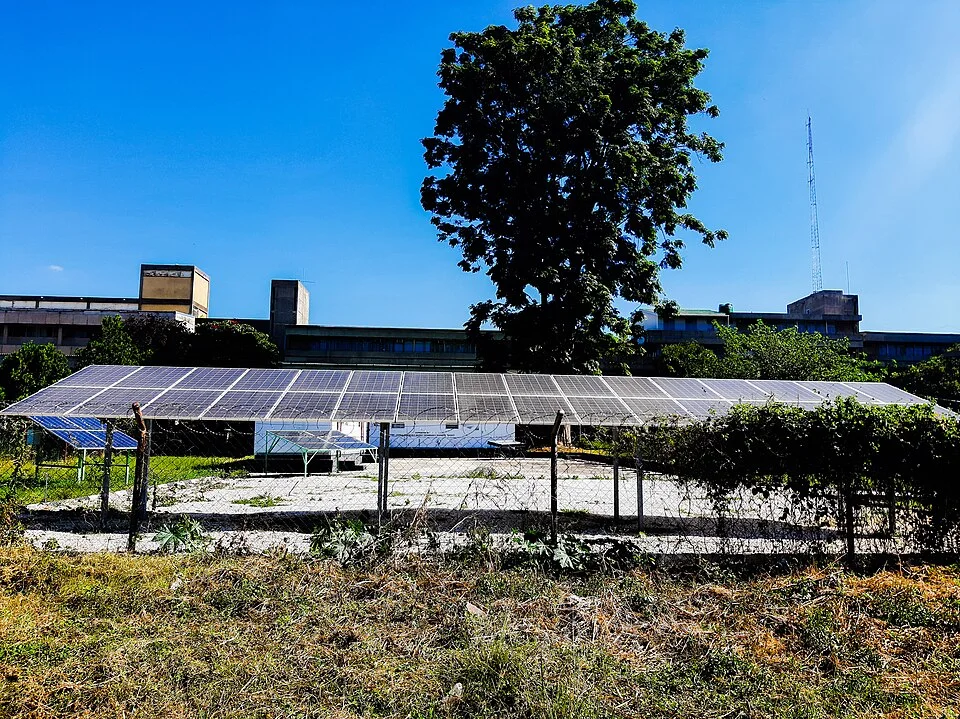
A company can want solar electricity, have a suitable roof and still decide that its next investment should be a refrigerated truck. Solarise Africa has built a business around that decision. It arranges finance and takes on technical work so that a customer can obtain an energy system without first finding all the money to buy it. This week it announced backing to extend that model in Uganda and into Zambia.
The Energy and Environment Partnership Trust Fund, known as EEP Africa, has awarded Solarise Africa €1 million. The company says it will match that with €1 million in co-financing for a programme lasting 24 months. Prospective customers include commercial and industrial businesses as well as social institutions. The grant will help establish the operations and partnerships needed to assemble a portfolio of projects.
The work before installation
A solar leasing company needs more than a supply of panels. Before agreeing to a project it has to understand how a customer uses power, assess the site and agree how the equipment will be paid for over time. Somebody also has to be available to maintain the system after installation. A business with engineers and existing customer relationships in one country cannot assume all those arrangements will travel with it.
Solarise Africa describes the programme as an expansion in Uganda and the development of its first portfolio in Zambia. Building local operations is part of the expenditure. That helps explain why dividing the total programme budget by the planned generating capacity would give a misleading estimate of the cost of buying panels. A portion of the effort goes into creating the conditions under which a second or third installation can happen.
Three measurements for the next two years
The company is targeting three megawatts of new capacity by the end of the project. That number describes what the equipment can generate under specified conditions. The programme separately calls for at least 4.5 gigawatt-hours of renewable electricity generation to be verified and reported. The second figure requires the equipment to be working and electricity to be produced over time.
A third figure, 3,600 tonnes of avoided carbon dioxide emissions, introduces another question. Measuring electricity produced tells only part of that story. The emissions difference also depends on the source that would otherwise have supplied that power. It is possible to install the expected capacity and still need more operating evidence to substantiate the other two measures.
For a customer deciding about that refrigerated truck, the first test will be more immediate. It will want to know who comes when the equipment needs attention, what the contract requires it to pay and whether the system supplies power when its business needs it. The grant gives Solarise Africa two years to develop an operation capable of answering those questions in both markets.