- Transnet National Ports Authority and Freeport Saldanha signed a 25-year lease on 8 October.
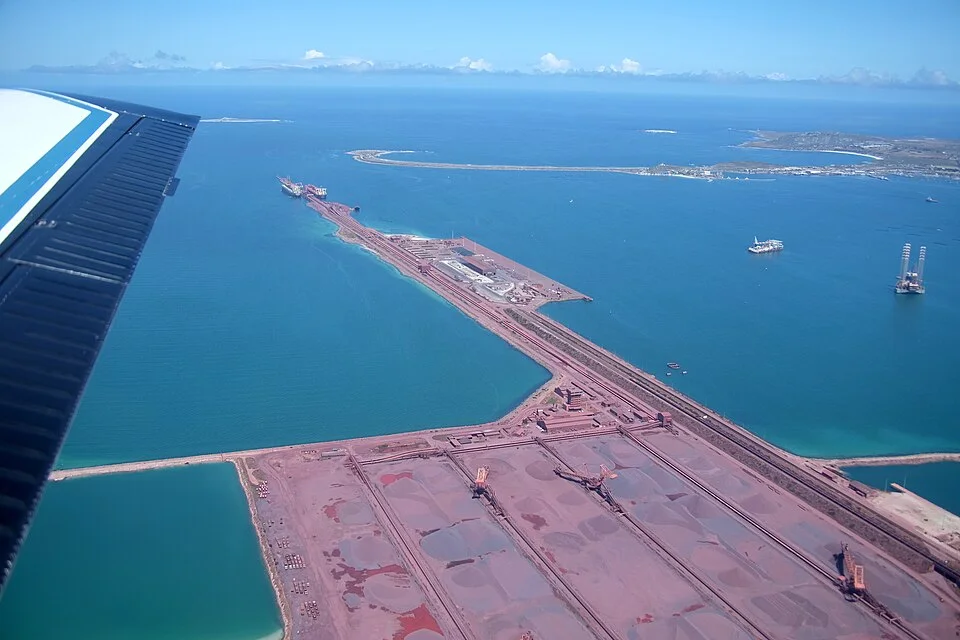
- The lease covers about 55 hectares in the port’s Southern Precinct.
- The R6.9 billion estimate covers prospective projects, including marine services, manufacturing and energy.
Inside this story 2 perspectives
A lease and an investment pipeline tell different stories about 55 hectares of land on South Africa’s West Coast. The lease is a signed agreement. It grants Freeport Saldanha access to land inside the Port of Saldanha for 25 years. The pipeline is a set of possible industrial projects on which developers could spend an estimated R6.9 billion. The second figure will only start turning into buildings, equipment and wages when individual investors commit.
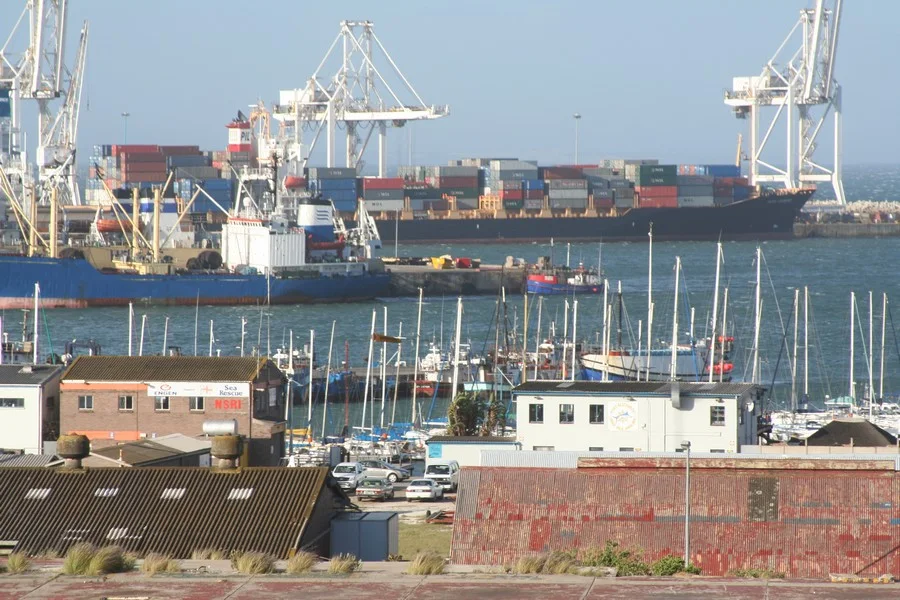
Transnet National Ports Authority and Freeport Saldanha signed the agreement on 8 October. Reporting published on 14 October outlined what the deal could bring to the port’s Southern Precinct. The proposed activities range from services for ships and bunkering to manufacturing and possible liquefied natural gas import and storage facilities. Their common requirement is more prosaic than any single proposal. An investor planning a fixed installation needs to know that the land will be available over a meaningful part of its working life.
What the port can offer
For a company servicing vessels, locating inside a port puts the workshop closer to its customer. A manufacturer moving bulky equipment or importing raw material could benefit for different reasons. A storage facility depends on the connection between a ship, a receiving site and the next leg of the journey. Each prospective tenant has its own combination of access, infrastructure and commercial requirements. A long lease makes it possible to examine those requirements against a defined site.
Saldanha’s special economic zone is located within the port. Freeport Saldanha can now take the land agreement to companies considering locating there. Its chief executive, Xola Sithole, described investor leases, construction and employment as the next outcomes the organisation is seeking. Getting a tenant to sign would settle another question about who intends to use the land. It would still leave that company responsible for putting together the finance and practical arrangements for its own operation.
Reading the R6.9 billion
An investment pipeline is most informative when read project by project. A proposed marine service can have different customers and a different construction schedule from an LNG storage installation. Treating their combined prospective value as money already invested would obscure which kinds of work are close to happening, which need more study and which may never proceed in the form proposed.
For a local supplier hoping to move equipment, build part of a facility or hire workers, the useful next details will be the identities of committed tenants, the work each intends to procure and the timetable for occupation. Those have a more direct bearing on possible orders than the total value of every project under consideration. What Saldanha has secured already is essential to all of them. The Southern Precinct has a defined site and a 25-year horizon on which an industrial tenant can base a decision.