- The industry cut its 2026 export estimate from 209.4 million to 205.3 million standard cartons.
- The lemon projection rose by 5.4 million cartons while the navel orange estimate fell by 4.6 million.
- The revision measures expected export volume. Freight costs, sale prices and pack-out determine the return to a grower.
Inside this story 2 perspectives
A buyer trying to replace a missing shipment of navel oranges is unlikely to be helped by a phone call offering lemons. That distinction matters in South Africa this week. The Citrus Growers’ Association of Southern Africa lowered its estimate for 2026 exports to 205.3 million cartons on 5 August. Its expectation for lemons, by contrast, increased by more than the total reduction for all varieties combined.
The association put its original estimate at 209.4 million cartons. The revision removes 4.1 million standard cartons of 15 kilograms each, roughly 2% of the original projection. The equivalent weight is 61,500 tonnes. Neither figure is a count of fruit lost in floods or a measure of income lost on farms. Both describe a change in what growers expect to export over the season.
The packing line sees a different season for each fruit
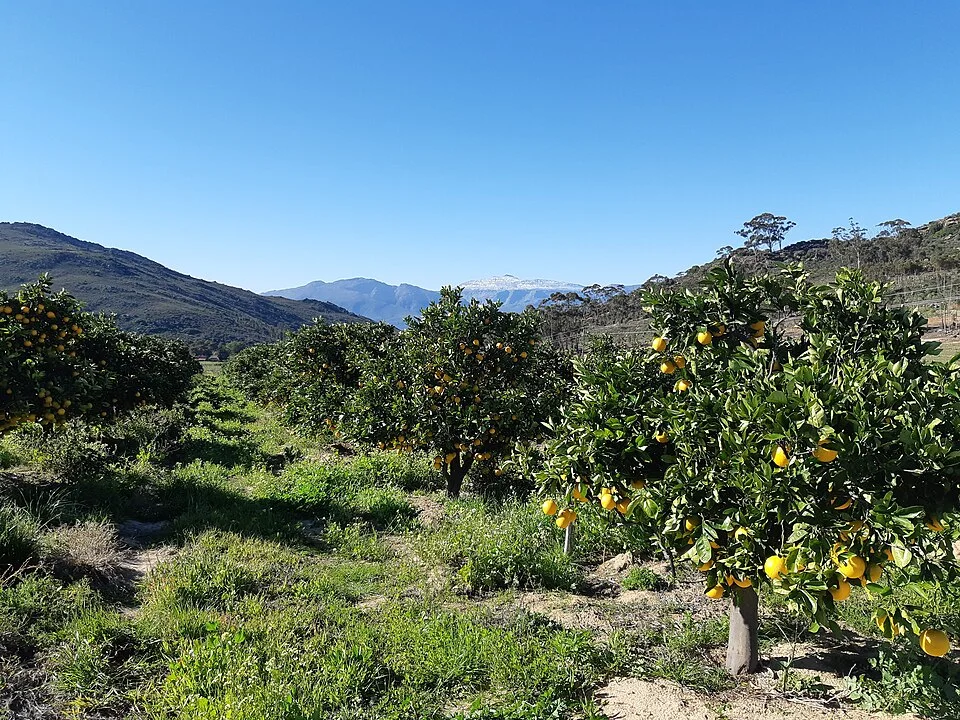
The estimate for navel oranges fell by 4.6 million cartons against the original projection. About three-quarters of the navel crop had already been packed. In the Eastern Cape, growers reported larger fruit following increased rainfall. Size matters to a buyer who has ordered a particular number of pieces per box, even where the box weighs exactly what was agreed.
Lemons moved in the opposite direction. The association increased its estimate by 5.4 million cartons and said most regions were approaching the end of their lemon season. The revisions for mandarins and grapefruit went down. In grapefruit, more fruit was going to processors while the volumes of the top two grades were running below earlier years. A piece of fruit can therefore have a buyer without appearing in the fresh-export carton count.
A booked ship still needs the right fruit
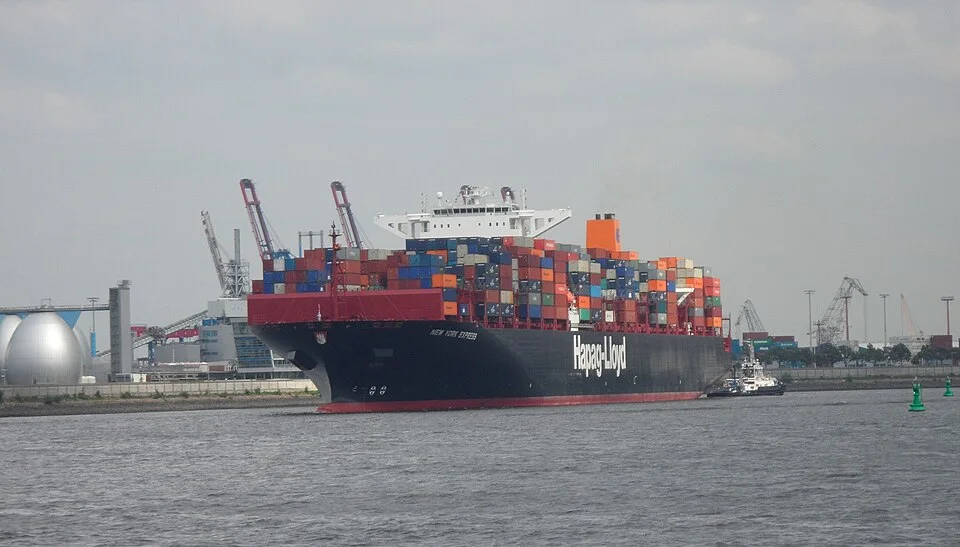
Durban was experiencing delays as the season reached peak export volumes, according to the association. It also pointed to higher transport costs and difficult trading conditions in the Middle East, a region it said usually takes about one-fifth of South African citrus exports. Flooding had affected the Western and Eastern Cape, including the Patensie growing area.
Those constraints reach different desks in the same business. A packhouse can revise its weekly offer once it knows which sizes have arrived. A shipping manager needs to know whether a consignment can still meet its delivery window. The grower ultimately wants the price left after packing, transport and selling costs. None of those answers can be read off the national total. For the rest of the season, the more telling conversation between exporter and retailer will begin with a variety, a grade and a week of delivery.