- President Cyril Ramaphosa addressed the national Heritage Day gathering in Oudtshoorn on 24 September.
- The Department of Sport, Arts and Culture separated the national event from uMkhosi weLembe after discussions with Zulu leadership.
- The address connected Khoi and San heritage and local anti-apartheid organising with contemporary cultural practice.
Inside this story 2 perspectives
There were two programmes to think about when South Africa planned this year’s national Heritage Day. One was the national celebration. The other was uMkhosi weLembe, the Zulu nation’s annual commemoration of King Shaka kaSenzangakhona, who died on 24 September 1828. Putting the two events in the same place on the same day might have appeared convenient. It also raised a question about which occasion would hold the audience’s attention.
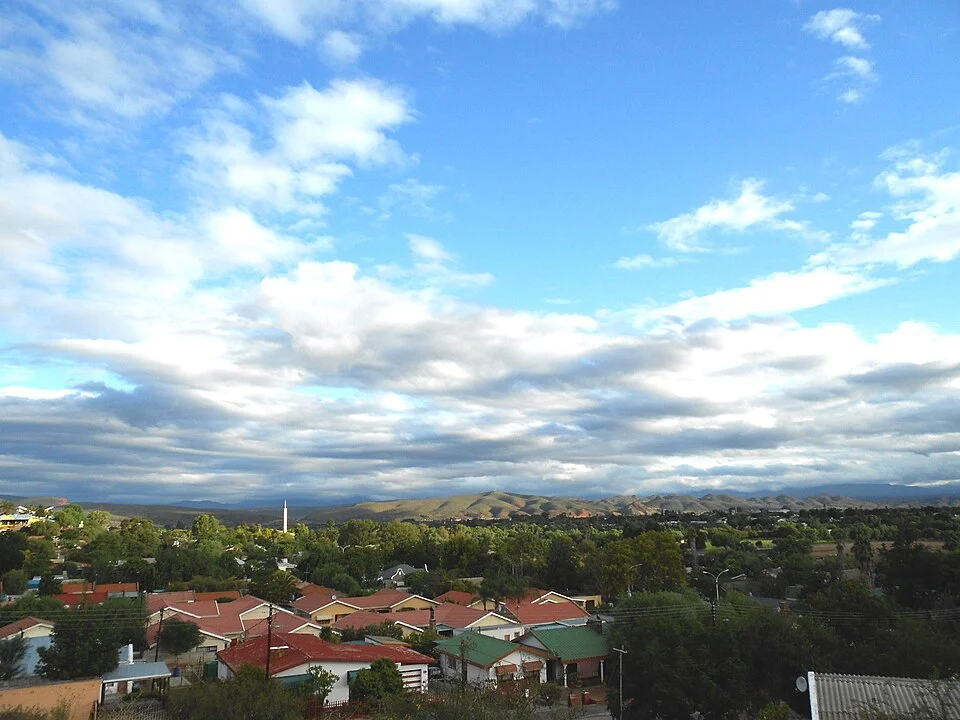
The Department of Sport, Arts and Culture says it reached the decision to separate the programmes after discussions with King Misuzulu kaZwelithini and KwaZulu-Natal’s arts and culture leadership. It explored a venue in George before Oudtshoorn accepted the national event at short notice. On 24 September, President Cyril Ramaphosa delivered the national address at Bongolethu Sports Stadium. The town had also hosted the celebration in 2025.
What changes when the venue moves
A location can do more than provide seats and a sound system. In Oudtshoorn, the president spoke of Khoi and San rock paintings in the area and acknowledged the region's connections to generations of people who preceded the modern state. He also recalled the political histories of Bongolethu and Bridgton and the communities that organised under the United Democratic Front during apartheid.
Those references brought two very different timescales into a single public address. One concerns a landscape marked by people over thousands of years. Another lies close enough for families to preserve names, routes, meetings and arguments in living memory. The stories can occupy the same part of the country without being collapsed into a single account of what that place means.
Separating the national event from uMkhosi weLembe also preserves a distinction that matters elsewhere in the programme. A community can welcome a national audience while retaining authority over the way it remembers a particular person. The ministry’s explanation recognised that the annual Zulu commemoration already has a purpose and an audience of its own.
Who carries a tradition home?
In discussing living heritage, Ramaphosa turned to familiar activities, including the languages used at home, stories told by older relatives, music, clothing and food. A stadium celebration can make those practices visible for a day. Their continuation depends on less public exchanges. Someone must know the words well enough to teach them, have time to explain a skill or be willing to answer a younger person’s question about why a custom is observed.
A change of venue made the organisation of this year’s Heritage Day unusually visible. It also sharpened the cultural question beneath the arrangements. A national gathering can give many histories a hearing. Some are best understood when a visitor makes time to attend the particular community occasion where their meaning has been sustained.