- Monday’s youth-friendly programme pairs a film from Eswatini with three shorter works.
- Organisers scheduled a moderated ten-minute filmmaker conversation after every screening.
- Later sessions turn to funding, careers and wildlife filmmaking.
Inside this story 2 perspectives
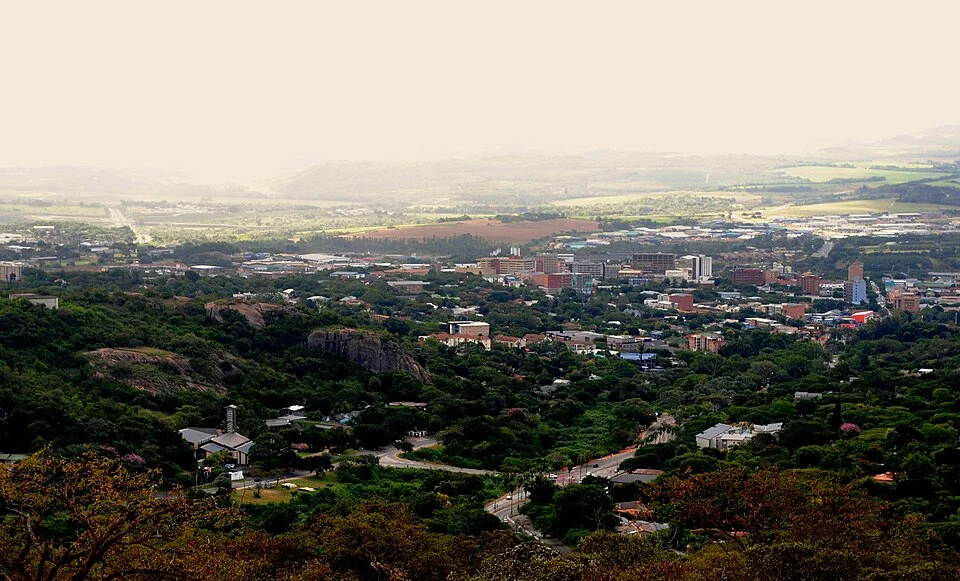
The 8am slot at Mbombela’s Ilanga Mall on Monday, 3 August, belongs to A Dream (Liphupho), an hour-long film from Eswatini by Siphosethu Nkosivile Sibandze. At 9am the next film does not start. The Mpumalanga International Film Festival has left ten minutes for a moderated conversation with the filmmaker. It has given the same space to the makers of films that last only a few minutes.
It is a small programming decision with a large effect on how someone can spend a morning at the cinema. A young viewer can ask why a particular image stayed on screen, what it cost to get a shot, or whose idea it was to end the story where it did. A short gets the same chance as an hour-long film to leave behind something more than a credit sequence.
A morning with four directors’ credits
Monday’s programme puts the Eswatini film beside Seeds We Bury, credited to Olivia Hansen and Soledad Robins in the United States, and Threading Dreams by South Africa’s Zane Colquhoun. Michael D Elliott’s The Path to Healing, also from the United States, closes the block. The organisers have grouped them as regional voices and youth-friendly cinema. Geography alone would put these films on different shelves.
There is a useful freedom in that arrangement. Anyone arriving for the Eswatini title can encounter an overseas short without changing venue or buying into a second festival. Someone deciding whether to make a first film can compare what a filmmaker can do in eleven minutes with what another does in sixty. The most interesting question to take into the conversation might be what each chose to leave out.
When a screening becomes a working day
The cinema programme occupies the morning. The industry schedule shifts to the Southern Sun Riverside in the afternoon, where Monday’s listing includes a masterclass with the US Embassy and a further showing of The Path to Healing. Tuesday’s industry session turns to funding independent films. By Friday the focus is on careers and the business of making films.
For a director, those are distinct audiences. Someone who asks about a character in the morning may be a future viewer. Someone interested in a production budget that afternoon could be weighing the practicalities of a next project. Neither conversation guarantees distribution. Both give a filmmaker a chance to explain a choice in their own words.
The festival runs through 9 August. Its Saturday programme shifts to Skukuza in the Kruger National Park for wildlife and biodiversity films. Local preview coverage advised visitors to register for a seat even though attendance is free. At a festival that has budgeted those ten minutes so deliberately, arriving in time for the conversation is part of seeing the film.