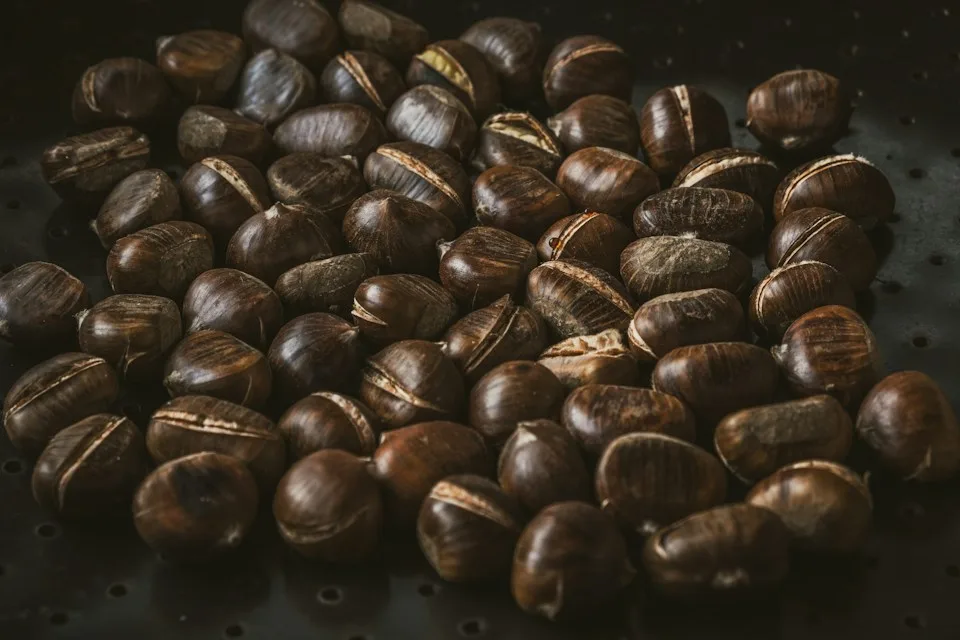
- The free Moita programme opened with stories and roast chestnuts on 12 November.
- Different afternoons cover music, food and literature.
- Local programmes also mark Saint Martin in other Portuguese towns.
Inside this story 2 perspectives
A tourist office usually tells somebody where to go next. In the Portuguese municipality of Moita on Thursday afternoon, the tourist office itself was the place to go. At half past three its programme promised stories, legends and roasted chestnuts for São Martinho. The invitation was free. It also offered visitors an unusual choice. They could try the chestnut immediately or return later in November to see what the town could do with the same autumn ingredient.
The occasion was the magusto, a seasonal gathering associated in Portugal with Saint Martin and roasted chestnuts. Municipal programmes give the tradition a distinctly local timetable. In the Algarve, for instance, Albufeira’s November agenda listed a celebration in Guia for 11 November. Moita, in the Lisbon metropolitan area, chose to begin its series the following afternoon. The saint’s day gives a visitor a date to remember. A town’s own calendar tells the visitor when to turn up.
One ingredient, several afternoons
There is a familiar temptation, when visiting a place for its food, to book the day with the most things to eat. Moita’s schedule makes a case for looking again. The opening afternoon paired the chestnuts with stories and legends. Friday was devoted to art and collective memory. Saturday turned towards popular music, oral tradition and the reuse of materials. Those choices change what somebody who has already tasted a roasted chestnut might take away from a second visit.
Consider a family choosing between the opening and the music afternoon. A grandparent who grew up with the tradition might enjoy the first because a story carries the name of a person or place remembered from childhood. A teenager who plays an instrument might prefer the second. The appeal lies partly in being able to attend the same celebration for quite different reasons. Nobody has to pretend the whole family shares one idea of a perfect afternoon out.
A date for the cook and one for the reader
Later in the month the programme turns back to autumn cooking, with the chestnut at the centre. On 28 November the theme changes again, this time to books, memories and accounts of Moita’s identity. A cook with a single afternoon to spare and a reader with the same amount of time could use the programme to plan two quite different visits to the same tourism office.
There is a pleasure in an invitation this specific. Nobody needs a long weekend, a restaurant reservation or an encyclopaedic knowledge of Portuguese saints to join the first afternoon. There is a time, a meeting place and something familiar enough to start a conversation. What a visitor might learn from it depends on who else happens to know a good story about a chestnut.