- Curral das Freiras scheduled its 42nd chestnut festival for 31 October and 1 November.
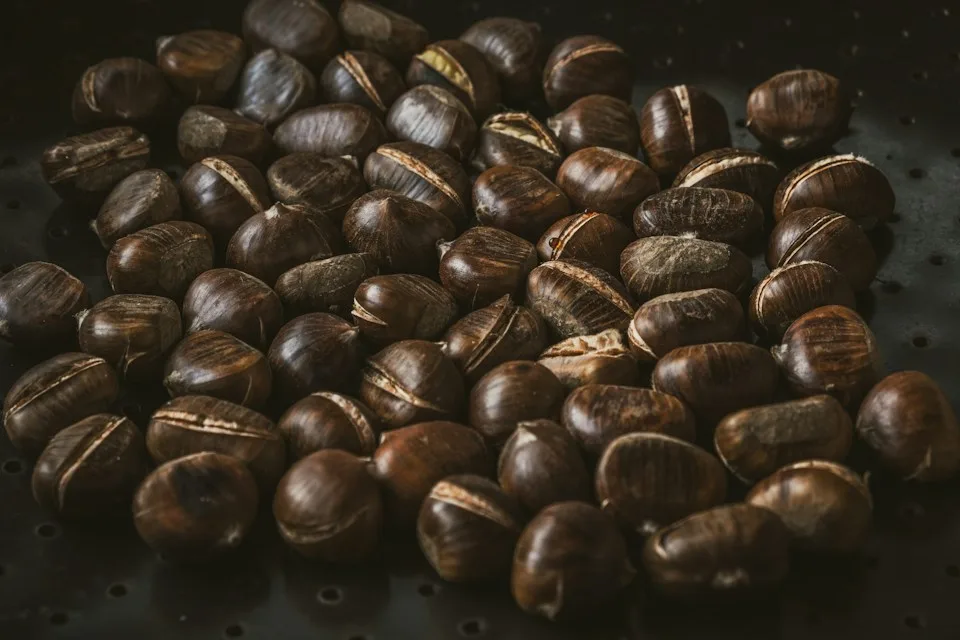
- The fair features roasted chestnuts and local products including cakes and liqueurs.
- Madeira’s All Saints’ Day tradition includes children visiting homes and sharing food from cloth bags.
Inside this story 2 perspectives
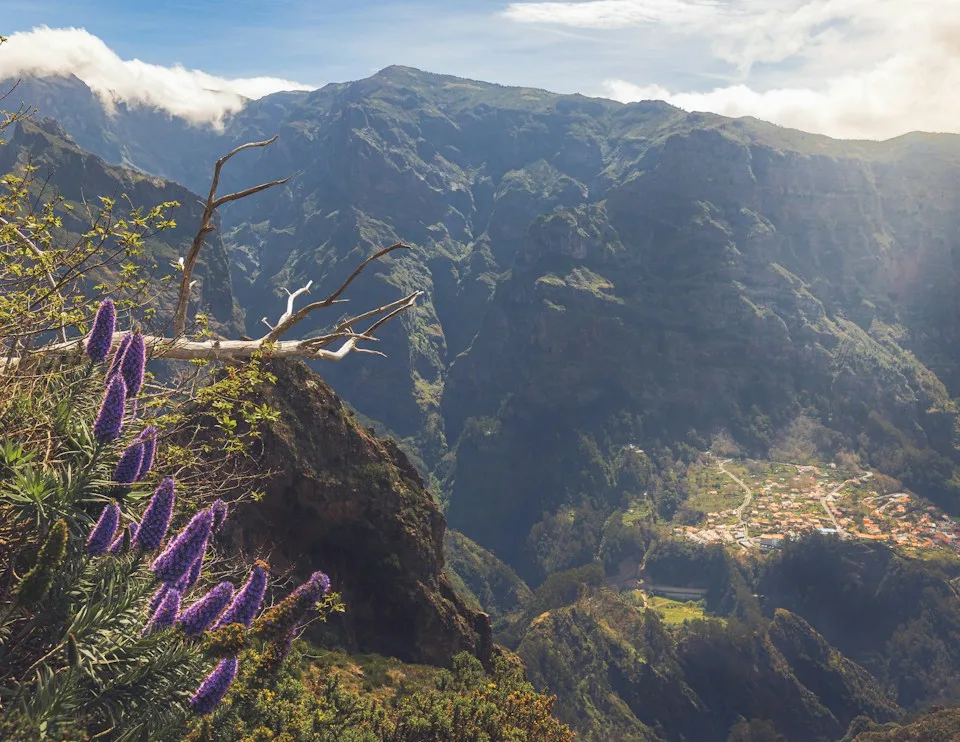
In Curral das Freiras, on the Portuguese island of Madeira, a chestnut can be sold roasted, made into a cake or turned into a liqueur. It can also leave a house in a child’s cloth bag. The parish’s chestnut festival fell on 31 October and 1 November this year, bringing the celebration of a local crop alongside an All Saints’ Day custom that sends children from door to door.
The Casa do Povo do Curral das Freiras organises the festival in the municipality of Câmara de Lobos. The regional culture calendar calls this its 42nd edition. Its two-day programme makes room for the growers, the people who turn their crop into something else and the neighbours who come principally for music or the company. The invitation to eat is simple. How the chestnut reaches the table is a more interesting question.
The grower and the cook get different prizes
Sunday’s programme included an afternoon procession and presentations in several categories. The organisers distinguished exhibitors, chestnut producers and walnut producers, along with a competition for chestnut sweets and liqueurs. That distinction gives a visitor a way to read a market stall. The work behind an excellent nut begins with the grower. Making a sweet with a recognisable chestnut flavour is a separate achievement.
Tasting a roasted chestnut before moving on to a cake offers a small experiment. The first gives the diner a reference for the ingredient. The second invites a judgement about what the cook has preserved or changed in its texture and flavour. A liqueur asks for yet another reading of the same crop. There is no need to choose a winner to notice how differently people use what grows nearby.
What the bag is for
Madeira also has a custom associated with 1 November itself. Portugal’s tourism service describes children moving from house to house, singing and sharing what they carry in handmade cloth bags. The contents can include chestnuts, bread, fruit and sweets. This is an island tradition, distinct from the scheduled procession and prizes in Curral das Freiras.
A market stall gives a visitor a price and usually an identifiable maker. At a doorstep the exchange has a different purpose. The child has a reason to call, the household has something to give and the bag makes room for more than one kind of food. Both customs can keep a seasonal crop familiar across generations. On one day it gets a place on the village programme. On another part of the same day, it is simply something a neighbour puts into a small outstretched bag.