- Malaysia’s economy grew 6% year on year in the second quarter.
- The central bank linked strong electronics demand to investment in AI.
- A factory making components and an operating data centre contribute to different industries.
Inside this story 2 perspectives
Two businesses can benefit from the construction of computing infrastructure and scarcely recognise one another in the economic statistics. A factory selling electronic components abroad appears in manufacturing and trade. A data centre that begins serving customers contributes to activity in information and communications. Malaysia’s second-quarter figures give a glimpse of both sides at once.
Bank Negara Malaysia reported on 14 August that the economy grew 6% compared with the same period a year earlier, up from 5.4% in the first quarter. The central bank identified strong demand related to artificial intelligence as one source of orders for export-oriented electronics manufacturers. In services it singled out information and communications technology, where more data centres were becoming operational.
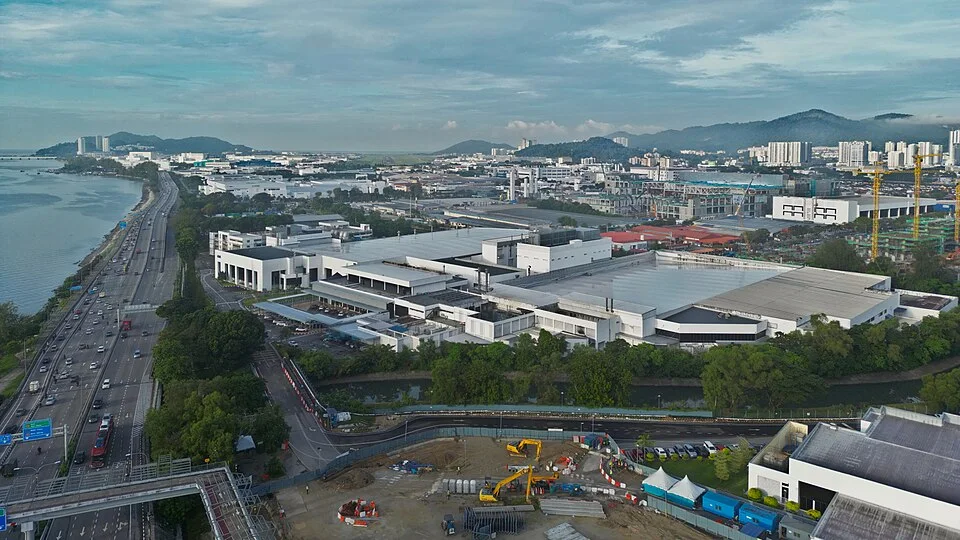
From a building site to a service
A building under construction and a facility handling customer workloads are at different stages in the life of a project. While the building goes up, a contractor can receive work and a supplier can deliver equipment. Once it is commissioned, the operator has a different task: attracting customers and keeping their systems running. A single announcement about planned investment cannot show which of those stages a particular site has reached.
That distinction makes the wording of the bank’s release useful. It referred to facilities entering operation. It also reported that spending on structures, machinery and equipment continued to support investment more broadly. Those observations offer stronger evidence of activity than adding up project announcements would. They still do not identify the share of any individual supplier’s sales that came from data centres.
What else happened in the quarter
Malaysia’s statistics department reported that output of electrical, electronic and optical products grew 14.4% from a year earlier. There was more to the economy than electronics. Natural gas production improved, services exports continued to expand and household spending benefited from income growth, according to the central bank. Imports also rose, including goods used by businesses to make other goods. A strong export quarter can generate a need for imported inputs at the same time.
The quarter-on-quarter reading answers another question entirely. After seasonal adjustment, the economy expanded 2.5% from the previous three months. The 6% headline compares April to June with the same months of 2025. Mixing those rates would overstate how far the economy travelled between March and June.
For a business deciding where to bid for work, the national growth rate is the beginning of the inquiry. A component maker needs to know which orders can be fulfilled locally. A services business needs an operating facility with budget and customers. Malaysia’s figures give each a different place to look.