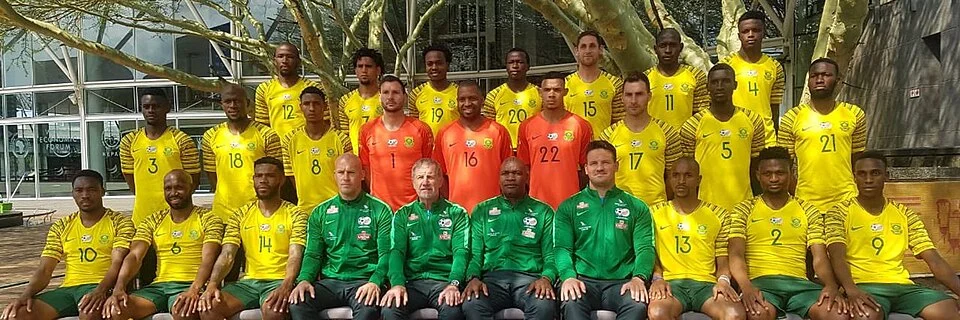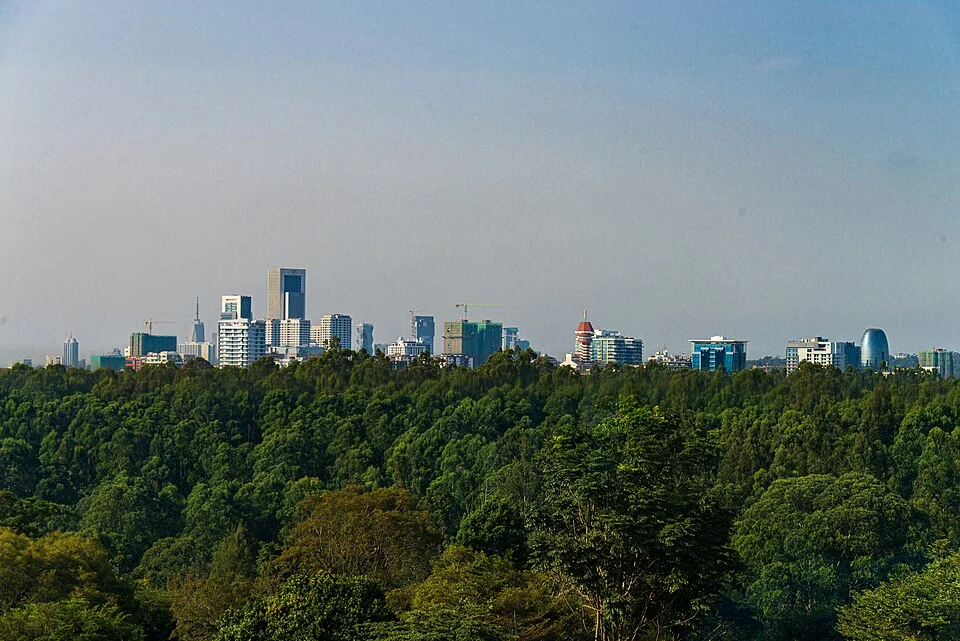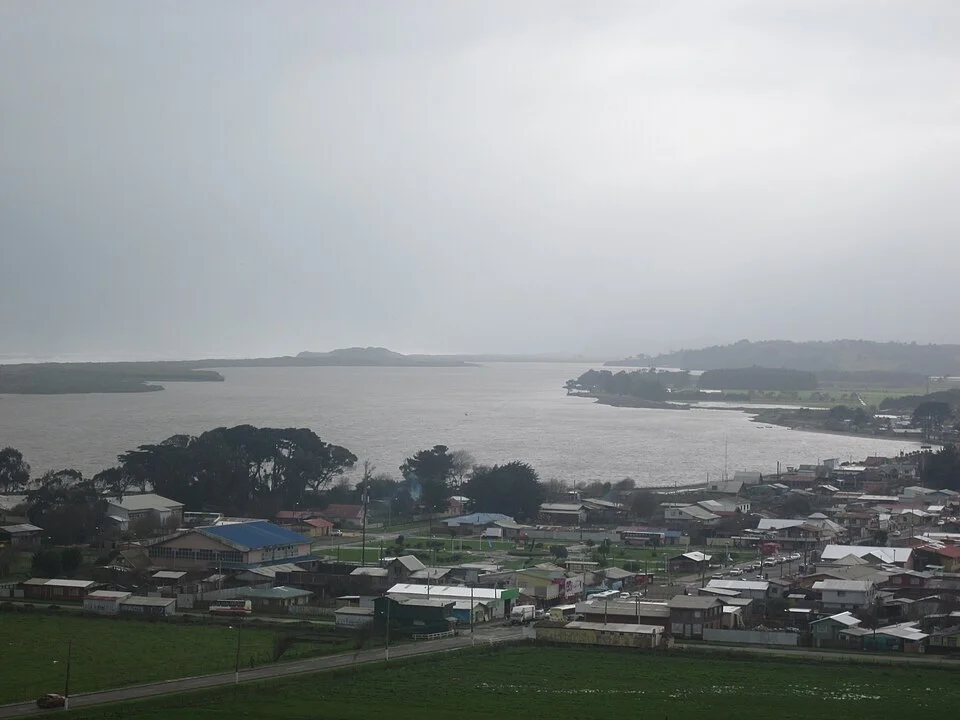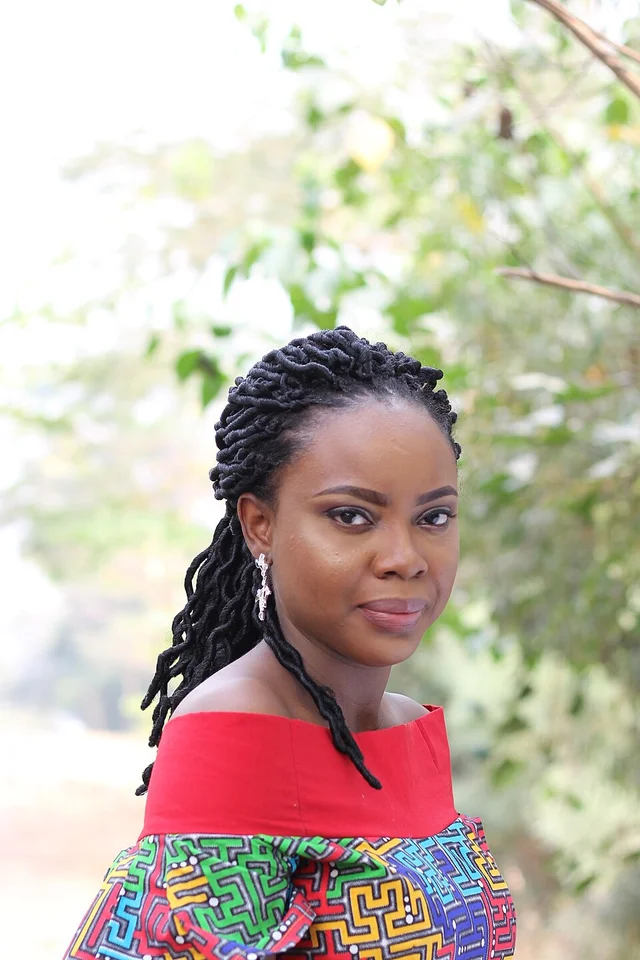
- Affinities used 24 photographs drawn from the Tender Photos newsletter archive.
- Emmanuel Iduma and Ayọ̀bámi Adébáyọ̀ arranged them in three groups responding to the festival’s theme.
- Visitors could use a temporary phone game to match each image with the title chosen by its photographer.
Inside this story 2 perspectives
A caption usually sits quietly beside a photograph, ready to explain what the viewer has just seen. At the Macondo Literary Festival in Nairobi, the makers of Affinities made visitors work for the caption. They invited people to choose which phrase belonged with an image, then compare their answer with the title the photographer had given it. A few seconds of uncertainty were part of the work.
Tender Photos published its account of the installation on 20 September. Curators Emmanuel Iduma and Ayọ̀bámi Adébáyọ̀ selected 24 photographs from the project’s newsletter archive and arranged them at different points around the festival grounds. Three groups of eight responded to the festival theme of ink, sea and silence. Visitors could take part using a web app linked by a QR code. The game was available during the festival itself.
Who gets to finish the sentence?
A good title does not always identify the most visible thing in a frame. It might refer to the photographer’s relationship with a subject, to a memory outside the scene or to a detail the viewer barely notices. A visitor matching phrases to images has to decide, however briefly, which of those possibilities to trust. Learning what the maker chose creates an opportunity to look a second time.
The game had a correct answer in a limited and quite precise sense. One of the phrases was the photographer’s chosen title. That did not make every other account of the picture worthless. If a viewer chose a different phrase, the difference itself might reveal what the image suggested without the information supplied by its maker. In this respect, a wrong match could be an interesting outcome for someone looking at art, even as the game registered it as a miss.
The 24 photographers included Hickmatu Leigh, Taha Jawashi, Hady Barry, Sosina Mengistu and Ama Benewaa Tawiah. Their pictures had appeared individually within an editorial archive before being grouped for a physical exhibition. That change of neighbours supplied another influence on interpretation. An image encountered among seven others under the idea of silence acquires a different set of associations from the same image viewed on its own.
The work a label does
The wider Macondo programme considered cultural memory, restitution and the parts of African history that institutions have left out or misclassified. A matching game cannot resolve those much larger questions. It can make the authority of a label easier to notice. Someone selected these words, and a viewer can ask who that person was.
It is a small habit that travels beyond a particular show. At the next exhibition, look at a photograph before reading its title. Then read the credit, return to the image and locate the detail that changed. That sequence preserves room for the viewer’s first impression while giving the photographer an opportunity to answer back.