- Kumba reported production of 7.5 million tonnes and sales of 10.0 million tonnes in the quarter.
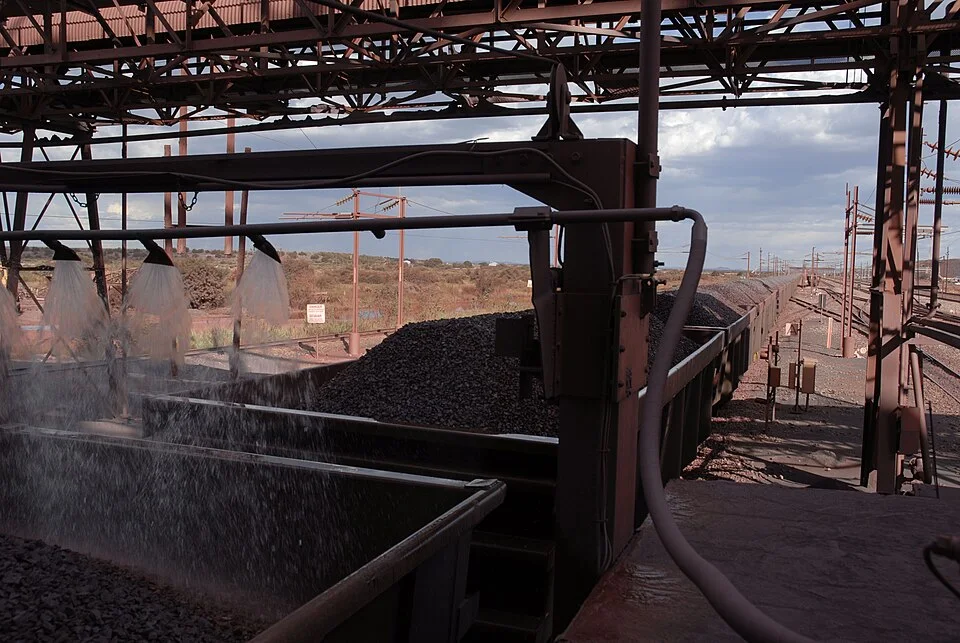
- The main tie-in at Sishen required a temporary processing plant shutdown.
- Finished stocks ended the quarter at 4.8 million tonnes, including 1.9 million tonnes at Saldanha Bay.
Inside this story 2 perspectives
In the three months to the end of September, Kumba Iron Ore sold 10 million tonnes of ore while producing 7.5 million tonnes. The difference can look puzzling if a mine is imagined as a straight line from the day’s extraction to the day’s export. In the company’s 20 October operating report, the missing link is visible at the end of the railway. Finished ore already at Saldanha Bay helped keep ships moving during a planned plant shutdown at Sishen.
Kumba said production was 19% below the year-earlier quarter, mainly because work connecting its ultra-high-dense-media separation project required a temporary shutdown of the existing processing plant. Sales rose 3%, supported by stock already available at the port. Kumba’s own operating report gives figures on the basis of 100% of Sishen Iron Ore Company. A reader comparing them with other mining-group tables needs to retain the same reporting basis.
The address of a stockpile matters
By the end of the quarter Kumba held 4.8 million tonnes of finished stock, down from 7 million tonnes at the previous quarter end. Of that closing amount, 2.9 million tonnes were at the mines and 1.9 million tonnes at Saldanha Bay. A tonne at one location and a tonne at the other are the same mass of product. They have different uses when a ship is due to load.
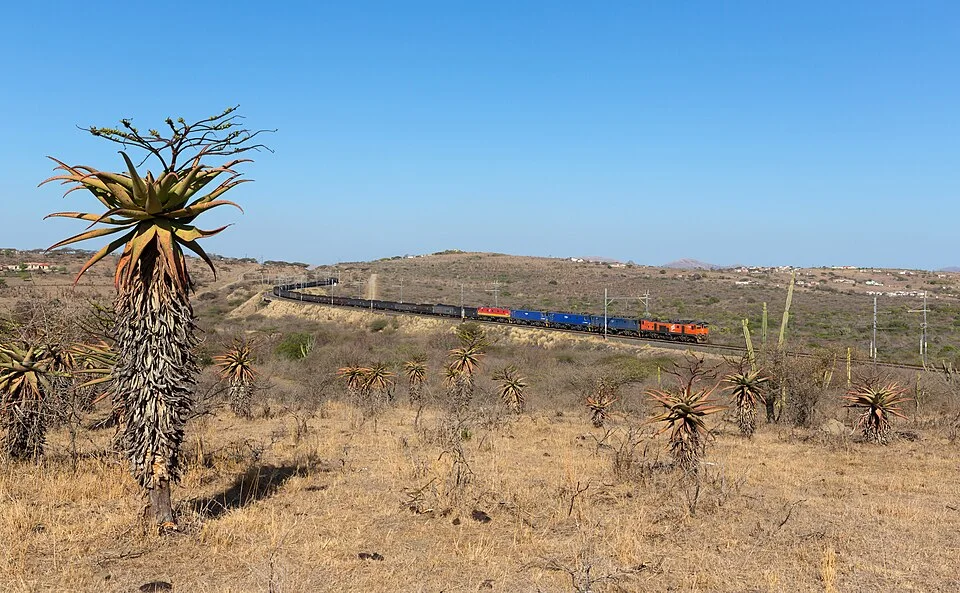
To reach the vessel, stock at the mine must still move on the rail corridor and through the port. Material already at the port can be loaded while activity further inland is disrupted. In this case the company described the drawdown as planned. Preparation for an interruption can therefore show up in two quarterly reports, first as a stockpile and later as sales that continue while production falls.
What the gap can and cannot show
The figures do not suggest Kumba can routinely sell more ore than it produces. Stocks can cover that difference for a period, and later production or other changes must replenish them if the buffer is to be restored. Nor is each reported tonne interchangeable from a commercial perspective. The product mix and the price buyers pay influence the proceeds alongside volume.
Kumba kept its full-year guidance at 31–33 million tonnes of production and 35–37 million tonnes of sales in this report. Those are forward-looking ranges. The strongest evidence about the quarter just past is much more tangible. Part of the work usually required between the mine and the customer had already been done before the shutdown began. Where the ore was waiting helped determine how much could still be sold.