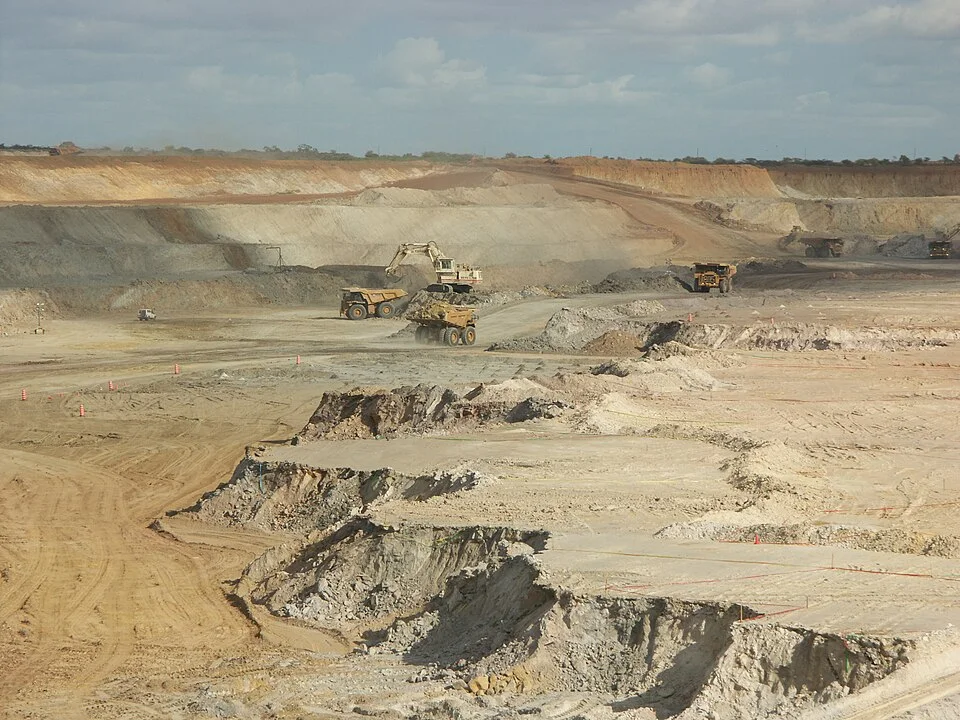
- Kiaka produced 76,030 ounces, while Sanbrado produced 51,920 ounces.
- Higher mill throughput at Kiaka cushioned the effect of lower underground grades at Sanbrado.
- Group sales exceeded production during the quarter and bullion remained in inventory.
Inside this story 2 perspectives
A mill that can handle more rock can change the results of a mining company even when another of its operations has a weaker quarter. That is what happened at West African Resources in Burkina Faso. The group’s 28 October report put September-quarter gold production at a record 127,950 ounces. The smaller of its two contributions came from a mine where the grade of underground ore declined.
Kiaka produced 76,030 ounces, up 13% on the preceding quarter. Its mill processed 15% more ore. At Sanbrado, production fell 10% to 51,920 ounces. The company pointed to lower grades from its M1 South underground mine, partly offset by more gold mined from the M5 North open pit. Combining the operations into a single number conceals that difference.
A mine’s grade describes how much gold is present in a given amount of rock. Throughput measures how much rock the plant processes over time. Recovery measures the proportion of the gold the process succeeds in extracting. A plant could process more tonnes and still produce fewer ounces if the incoming material contained substantially less gold. Reading the three measures together helps explain how much of a change came from the mill and how much came from the deposit.
When ounces leave the mine
West African Resources sold 135,245 ounces during the quarter, more than it produced in the same three months. No production discrepancy is required to explain that. A company can sell gold it held at the beginning of the period and carry newly produced bullion into the next. The report puts unsold bullion at the end of September at approximately A$217 million.
The average realised selling price was US$4,240 per ounce. The group reported all-in sustaining costs of US$1,570 per ounce. The difference helps explain why a strong selling price matters, but it is a shortcut with limits. It cannot be applied to the total production figure to calculate the company's profit or the cash available for a dividend. Sold ounces, financing, taxes and other cash movements belong in the full account.
What the next quarter still has to deliver
The group ended September with cash of A$1.195 billion and reported operating cash flow of A$458 million for the quarter. Both figures are in Australian dollars, while the quoted prices and per-ounce costs are in US dollars. Adding them to the cost figures without a currency conversion would create a convincing-looking error.
One of the company’s next-quarter objectives concerns ownership. It identified finalising terms and completing SOPAMIB’s acquisition of a 25% shareholding in Kiaka SA as work still ahead. The September report therefore provides two different pieces of information about Kiaka. Its higher output is already in the production record. The proposed change in the shareholder register still has conditions to meet.