- The Japan Tea Association designated 1 November as Black Tea Day in 1983.
- The observance draws on the experience of Daikokuya Kōdayū, a shipowner from Ise who was stranded in Russia.
- A memorial museum in Suzuka displays documents and material connected with his travels.
Inside this story 2 perspectives
Make a cup of black tea in Japan on 1 November and its calendar comes with an unexpected itinerary. The Japan Tea Association traces the date to Daikokuya Kōdayū, a shipowner from Ise, in present-day Mie Prefecture, whose voyage to Edo ended far from his intended destination. After a maritime accident he found himself stranded in Russia, where obtaining permission to go home took years.
The association chose the date for Black Tea Day in 1983. Its account says Kōdayū encountered the tea gatherings then becoming fashionable among Russia’s upper classes. In November 1791 he was received by Empress Catherine II, and the association says he is believed also to have been invited to tea. The commemorative date gives this story a place in the modern calendar. The detail about the imperial tea party deserves the same qualification its organisers give it.
A long journey behind a short ceremony
A familiar serving ritual can conceal quite a journey. Here a drink associated with hospitality appears in the story of somebody seeking a way out of a country he had never intended to visit. Kōdayū’s ability to return mattered rather more to him than any future role in a drink’s publicity calendar. That is one reason to follow his story a little further than the pleasant image of a guest taking tea.
In Suzuka, the Daikokuya Kōdayū Memorial Museum keeps material associated with him and his travels. Mie’s tourism office lists a letter he wrote in St Petersburg, a map of Japan, a copy of an account of the drifting voyage and reproductions of personal objects among its exhibits. The varied material gives visitors ways into the story other than an anecdote about a single afternoon.
Why this particular cup gets its own day
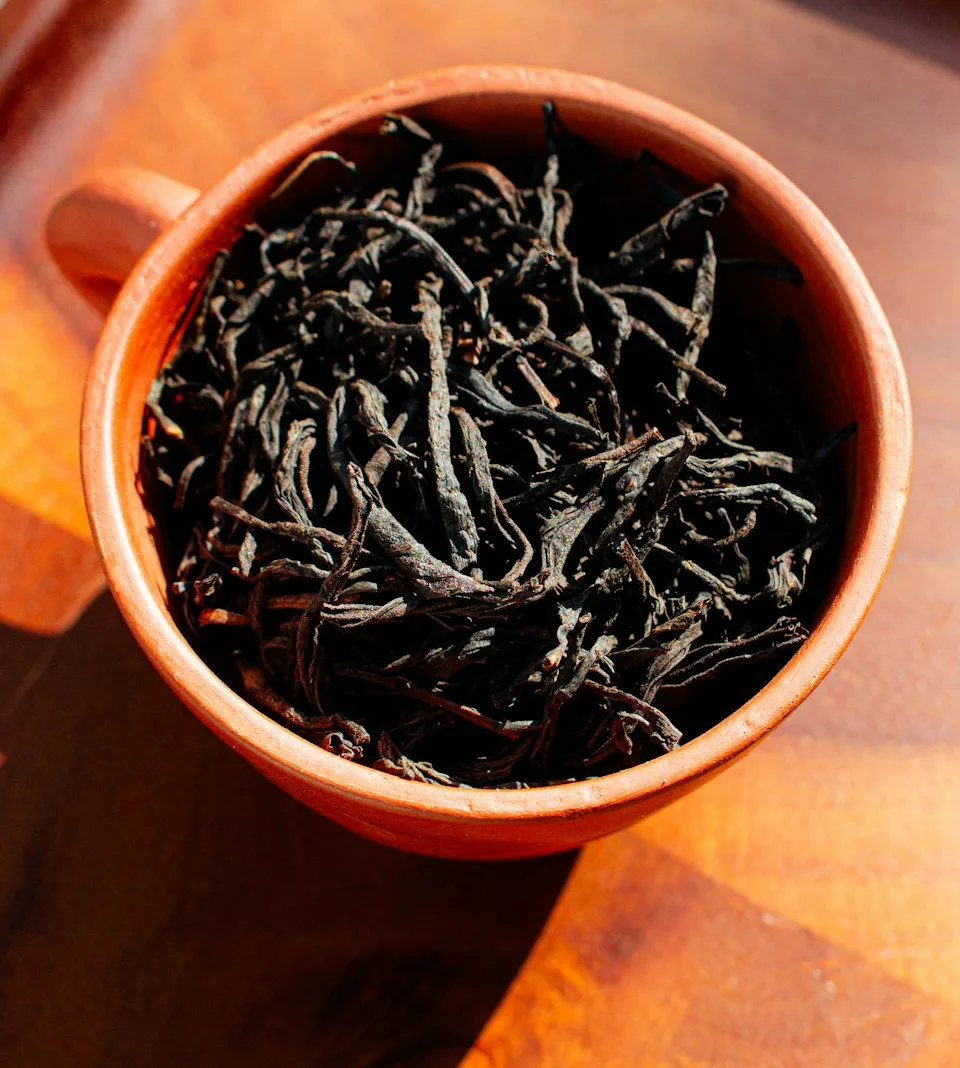
The Japanese name for the event is Kōcha no Hi, specifically a day for black tea. For a reader accustomed to associating Japan with green tea, the distinction is a reason to notice a second set of habits around the table. A Japan Management Association account describes the popularisation of black tea in forms ranging from tea bags to ready-to-drink canned tea. A drink can be a formal offering on one occasion and something bought on the way to work on another.
A visitor can mark the date without trying to reconstruct an imperial tea service. Put the kettle on, find Ise and St Petersburg on a map, and consider what it would mean to set out for one city and spend years petitioning to leave another country. The cup is an accessible way into a maritime history. Its most interesting character is the person who wanted to find his way home.