- Retail sales rose 5.6% by value and 2.9% by volume against August 2025.
- Online sales contributed HK$2.8 billion, or 8.7% of the total.
- Local retail receipts include visitors’ purchases and exclude services such as restaurant meals.
Inside this story 2 perspectives
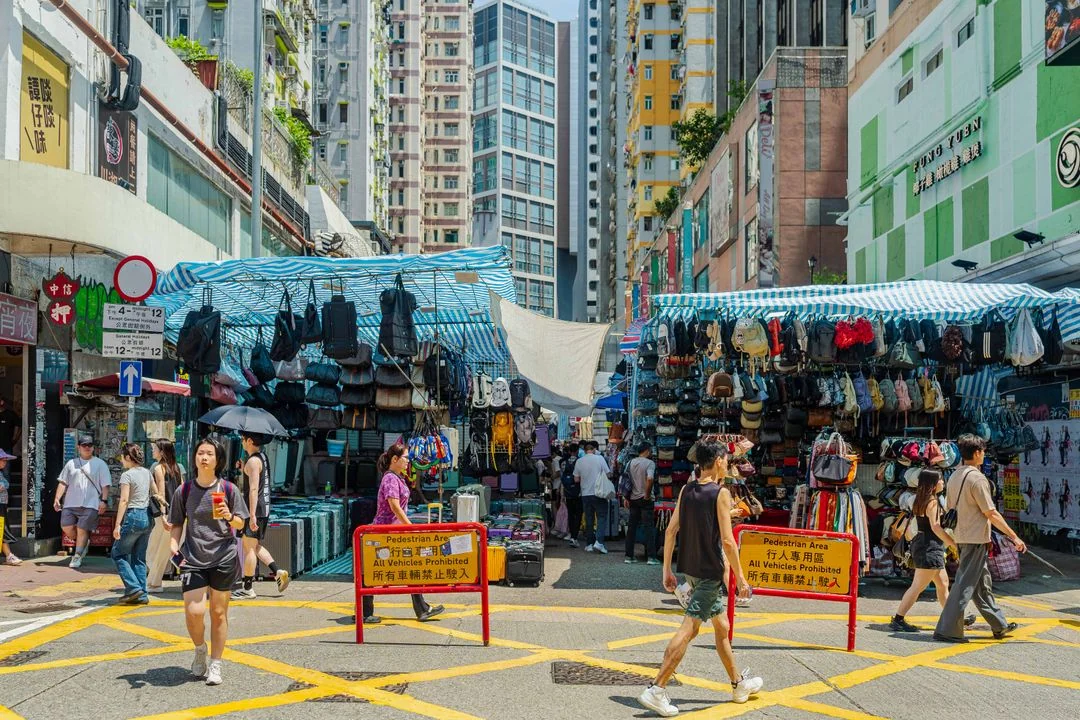
Hong Kong retailers took in an estimated HK$32.1 billion in August, 5.6% more than a year earlier. That made it the sixteenth month in a row in which sales value grew year on year, according to figures released by the Census and Statistics Department on 2 October. Yet the value recorded at the till is only the first answer to the question of how shops did. Once statisticians allowed for price changes, the amount sold increased by 2.9%.
The distinction matters for anyone assessing a retail business. A shop can book higher sales because it sold more goods, because the prices of those goods changed, or through a combination of the two. The department publishes an index of volume to help distinguish those effects across the sector. Its provisional August estimates show growth on both measures. They also show why applying the citywide percentage to a single store would lead to some extraordinary mistakes.
Which counter were you standing behind?
Sales value at outlets selling electrical and other consumer durable goods in the relevant category rose 29.1%. At outlets for motor vehicles and parts it fell 22.0%. Jewellery, watches, clocks and valuable gifts were up 11.9%, while apparel sales were down 0.5%. The figures compare receipts with the same month in 2025. They say nothing by themselves about margins or how much stock a particular merchant had to carry to make the sale.
Online transactions are another way to slice the same total. Retailers booked an estimated HK$2.8 billion online, up 9.9% on the year. That represented 8.7% of all retail sales. Adding the online figure to the HK$32.1 billion headline would double-count those transactions. Some of the goods counted under a product category can also be the goods a customer ordered on a screen.
A city’s shops and a household’s wallet
These figures cover the receipts of local retail companies from goods. They include a visitor buying a watch in Hong Kong. They leave out a resident’s restaurant meal, rent and transport fare. Services account for more than half of consumer spending, the department notes. A rising retail total captures part of economic activity locally while answering a different question from how much residents spent in all.
The choice of period also changes the picture. Compared with the previous three months, the seasonally adjusted value of retail sales in the three months ending in August fell 4.6%. On the same basis, volume fell 3.4%. That can coexist with sixteen consecutive annual increases. A shopkeeper deciding how much to order for next month would have reason to read both columns. August was stronger than last August, while the recent three-month run was weaker than the three months that preceded it.