- Guinea is pursuing local alumina refining before further investment in smelting.
- A June project launch in Boffa illustrates the scale of its plans.
- Seasonal imports and exports make year-round access to electricity a separate investment question.
Inside this story 1 perspectives
Guinea has enough bauxite to give it influence over companies seeking a long-term source of the ore. Whether that influence can attract investment in the next stages of production depends partly on a different natural resource, the water that powers much of its electricity system. In reporting published on 19 October, Reuters quoted a senior adviser to Guinea’s mines minister describing an economy that can export power in the rainy months and must import it in the dry season.
The adviser, Daouda Diakité, said three alumina refineries were under construction. He put the government’s ambition at five by 2030, with combined annual capacity of around seven million to eight million tonnes. It then wants investment in aluminium smelting. These are distinct stages. Refining turns bauxite into alumina. Smelting turns alumina into aluminium metal and requires a large, dependable supply of electricity. A national strategy can include both while individual investment decisions still face different tests.
The cost of moving one step along the chain
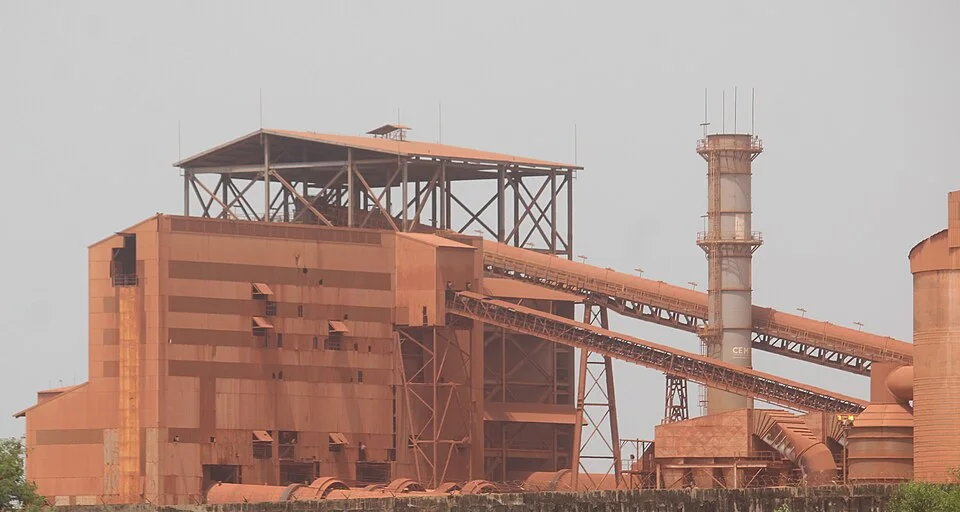
One example is the Chalco refinery in Boffa prefecture. Guinea’s mining ministry records a June construction launch after the signing of an agreement in May. It puts estimated investment at $1.68 billion and planned annual capacity at 1.2 million tonnes of alumina. The project illustrates the size of the financial commitment that separates an ore shipment from local refining. A launch and an eventual volume of saleable product are different points in the life of the investment.
The government has a commercial proposition to make. Diakité told Reuters that access to bauxite, mining rights and certain tax concessions could be tied to investment in other assets, including smelters or railways. For an investor, an attractive deposit or a tax saving changes part of the equation. Neither automatically reduces the cost of supplying an industrial plant with enough electricity across every month of the year.
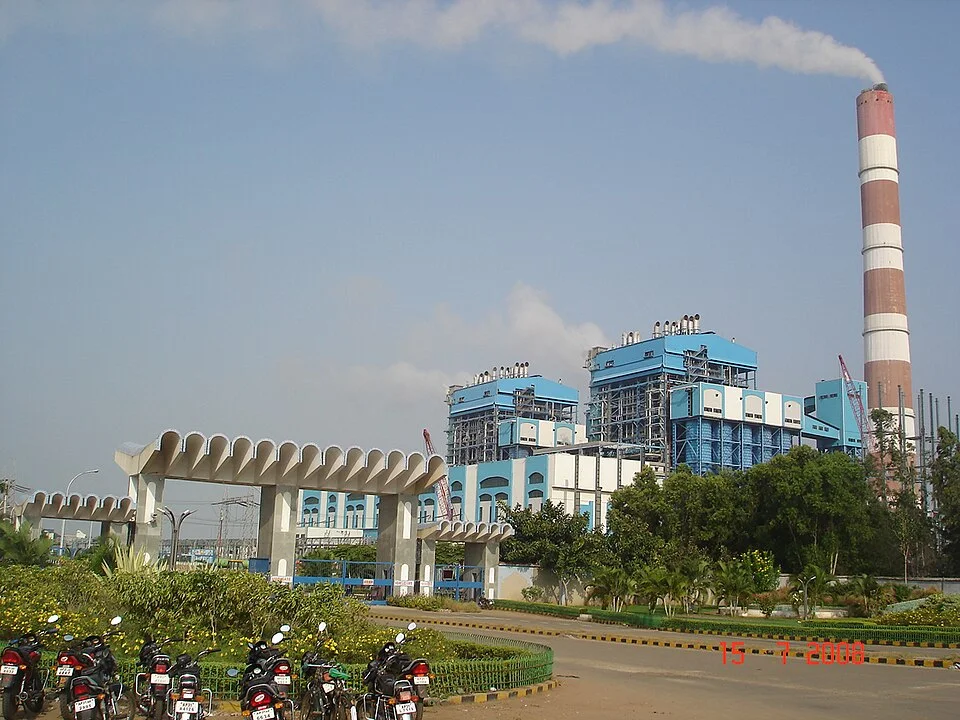
The adviser put current generation at about 1,000 megawatts and estimated that industrialisation, including smelters, would require between 5,000 and 10,000. These are his estimates of different things. The second is a broad industrial requirement, not the electricity specification for the Boffa refinery. Assigning the entire shortfall to one project would exaggerate its needs and obscure the competing demands on the network.
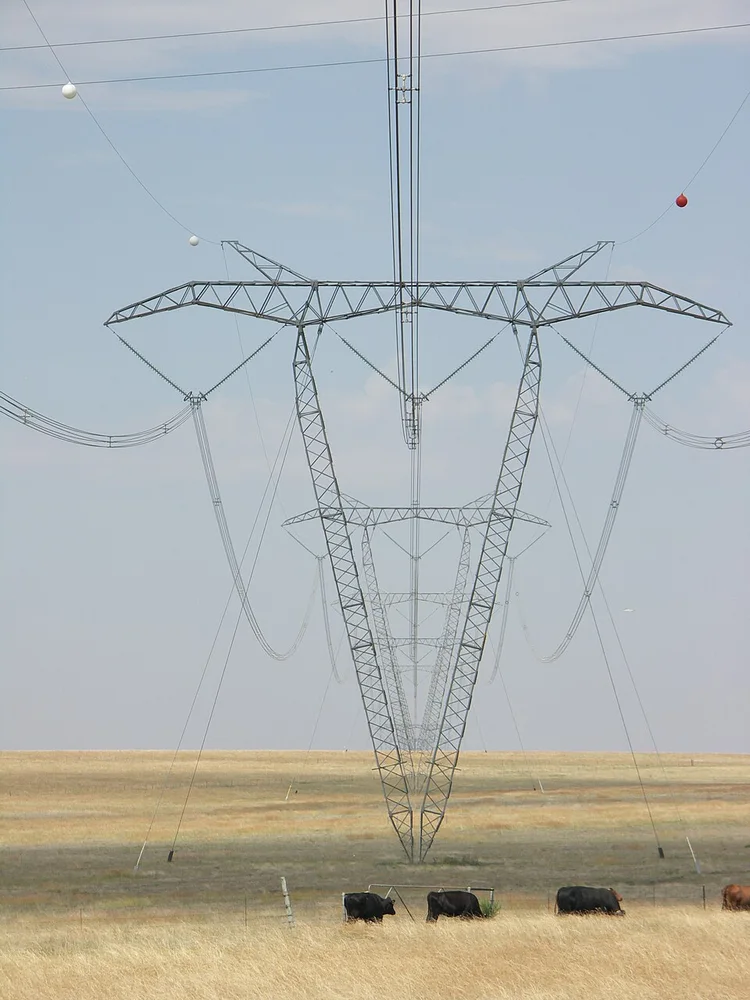
Interconnection gives Guinea some room to manage the seasons. The World Bank documents how a regional transmission project expanded its ability to trade power across borders. The same line can be valuable to an exporter during heavy rains and to an importer when reservoirs are under pressure. For the companies considering Guinea’s aluminium ambitions, the question is what volume, price and continuity of supply can be secured through both parts of that cycle.