- The main public programme begins at Origins Centre on 14 October.
- Beadwork, restitution and game design appear in the same day’s programming.
- The opening and closing awards have separate invitation arrangements.
Inside this story 2 perspectives
In one work programmed for Johannesburg’s Fak’ugesi festival, the technology used to store information is beadwork. In another session, the question is whether a video game can preserve Indigenous knowledge. The full five-day programme, publicised in a sponsored announcement on 7 October, brings both to Braamfontein this month. Visitors can follow an argument about knowledge across objects, screens and institutions, including the museum in which much of the discussion will take place.
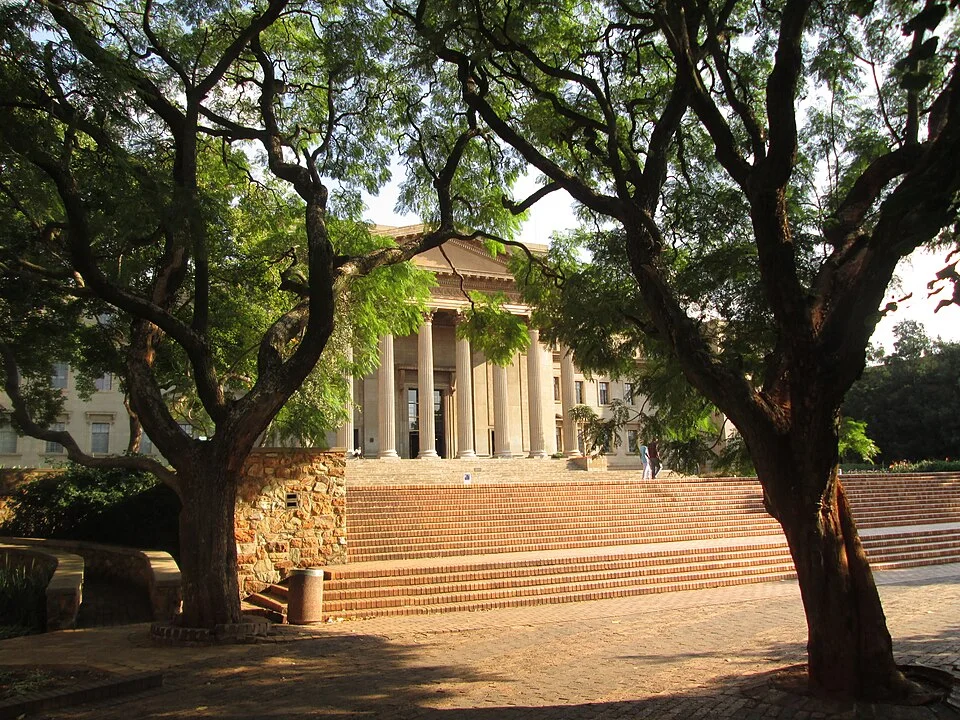
The festival runs from 13 to 17 October. The opening night at the University of the Witwatersrand’s Origins Centre is by invitation. The main public programme begins there the following morning. For anyone choosing a day on the strength of a single interest, Wednesday’s sequence looks unusually coherent. It starts with the practical work of keeping a collection and moves on to what happens when people want to recover control of it.
Who gets to keep a record?
Tammy Hodgskiss opens the morning talks by examining the institution itself. Molemo Moiloa, a co-founder of Open Restitution Africa, follows with a keynote that brings heritage return and land justice into the conversation. Placing those speakers together makes a particular question hard to avoid. The skills required to keep an object intact do not settle who gets to hold it, describe it or decide how others encounter it.
The installations offer another way into the same question. Tanushka Ramdin’s Beads as Bytes treats Ndebele and Zulu beadwork as forms of encoding and transmitting information. Olu Randle’s session asks what video games can do for Indigenous knowledge. Both ask an audience to pay attention to how a work communicates. One gives a new point of entry into an existing practice. The other examines the possibilities of a medium whose users can make decisions inside it.
Canda Kincses is due to present work from six immersive exhibitions dealing with Southern African histories through media including sound and moving images. Later in the day the setting changes again, with a visual music programme at the Wits digital dome. Seeing a display with other people in a gallery and listening together under a dome involve different relationships between maker, audience and space. A single label such as digital art gives little indication of that difference.
Pick the part of town as well as the day
The rest of the programme extends across the Tshimologong precinct and out to venues including the Bioscope Independent Cinema. The final awards evening, like the opening, has its own invitation arrangements. A festival pass and an awards invitation therefore answer different questions for someone organising a visit. The public museum day offers a self-contained alternative for a person with only a few hours. Its final question may travel further than its audience does: when a collection moves into a different medium, who retains the knowledge needed to read it?