- The 2026 festival runs from 10 to 17 August in Accra.
- The organiser published its programme brochure on 14 August.
- Its policy distinguishes news filming, live transmission and longer-form projects.
Inside this story 2 perspectives
A live performance in an Accra street can have several audiences. There are the people who see it unfold, the viewers who later encounter a short news report and the people who find a fragment months afterwards with little idea who made it. Chale Wote’s 2026 festival programme, published in brochure form on 14 August, invites the first audience to turn up. Its media policy takes a much closer interest in the other two.
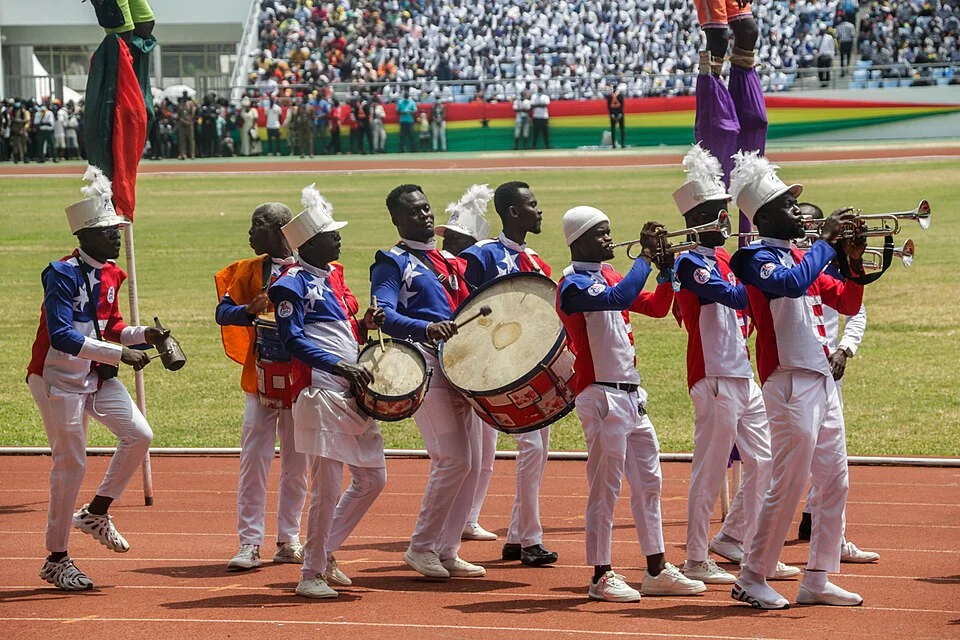
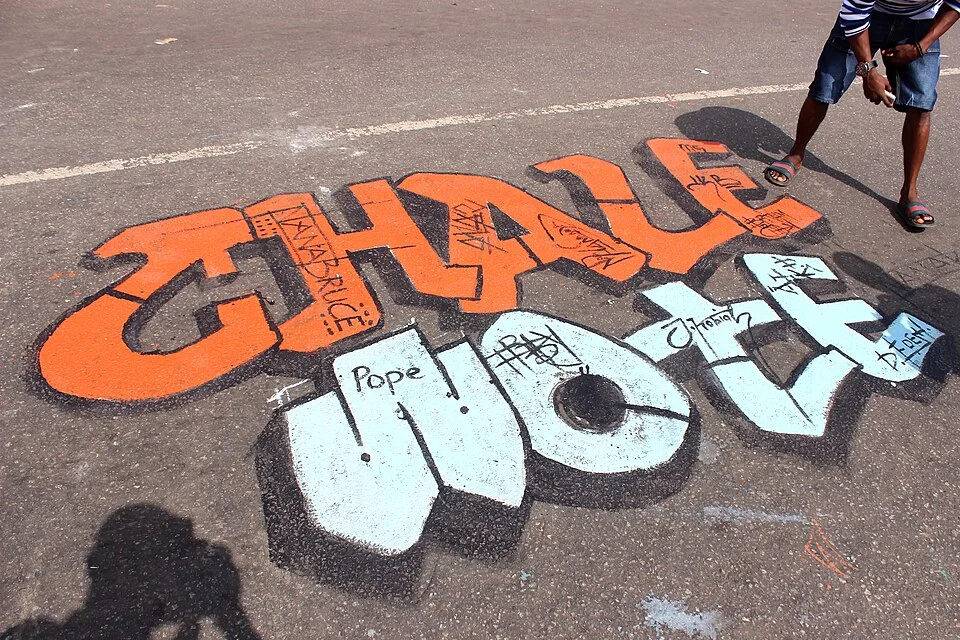
This year’s Chale Wote Street Art Festival runs from 10 to 17 August, centring on parts of Osu and Jamestown under the theme Carnival of the Black Sun. The week’s programme includes performance, film and visual art. Its opening procession was associated with a day of remembrance. The independent coverage gives a sense of what the street can hold at once, including ritual, a neighbourhood’s ordinary business and visitors who have come specifically to see art.
A public performance has an afterlife
Ahead of the festival the organisers published a request for media professionals to apply for accreditation. Their policy specifies a deadline of 12 August for news accreditation. It says that filming requests are assessed according to what is being recorded and how the material will be used, and that livestreaming needs prior permission. The festival identifies a separate route for documentary and magazine projects.
Those distinctions become easier to understand if you imagine the same thirty seconds of a dancer appearing in three places. A short report about the festival uses it to tell viewers what happened that week. A documentary might use the image to build a longer argument about an artist’s practice. A brand could put it beside its product and invite an audience to infer a commercial relationship. The frames might be identical. The implications for the artist and the organiser are different in each setting.
Chale Wote says it caps the number of film crews on site to protect the privacy and enjoyment of people attending. It also identifies REDDKAT Pictures as its official recording partner. Those are the festival’s stated arrangements. A visitor or producer with a proposed use has a named organisation from which to seek an answer.
Watch what happens off camera
The policy has a mundane benefit for anyone attending without a camera. A line of crews can alter the view as effectively as a wall. In spaces where people are also shopping, walking home or gathering with neighbours, a clear route through a performance area is part of the experience.
For this weekend, the brochure and the picture policy are worth reading together. One describes what artists have made room for in the city. The other shows how seriously the organisers take the life of an image once it leaves that street. For the people standing there, there remains a perfectly good alternative to capturing every moment. They can stay for the end of the performance.