In Kpetoe, in Ghana’s Volta Region, the people wearing kente at the festival on 15 August had little need of an introduction to the cloth. What concerned Charles Agbeve, the local MP, was who would still know how to weave it when the town’s older artisans put down their tools.
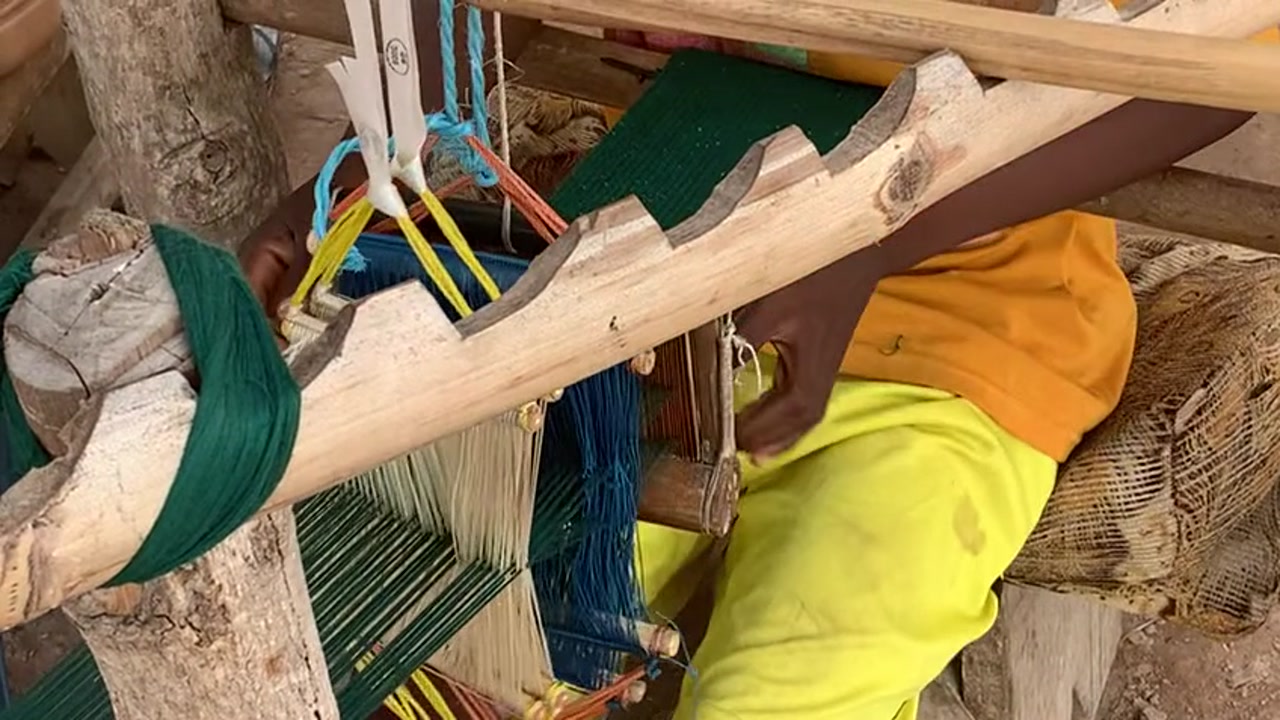
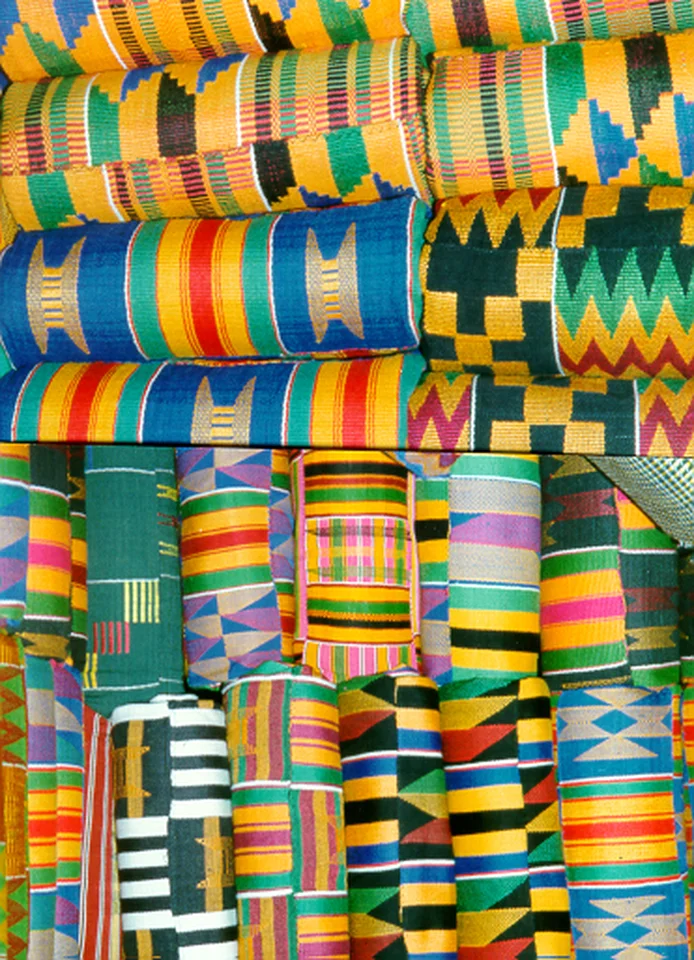
At the gathering that closed the 31st Agotime Kente Festival, Agbeve proposed pairing young people, especially women, with master weavers for practical training. He said he would work with the local assembly on the plan. The case for an apprenticeship was visible in the cloth that chiefs and queen mothers wore to the durbar. On a horizontal loom, a weaver builds narrow strips of pattern. A finished design can take its name from a saying or a proverb. A person learning at the loom can ask both how a pattern works and what its name means.
Recognition has travelled a long way. UNESCO added Ghana’s kente craftsmanship to its list of intangible cultural heritage in 2024. Back in Kpetoe, Alex Segbefia, representing the government, described a less comfortable calculation. Weavers have to pay more for materials while competing against cheaper imitations. For a young person deciding whether to learn, the question is how much a finished cloth can earn after the yarn is paid for.
A Kente Village and Centre of Excellence is taking shape in Agotime. The festival’s governing council initiated the project, and Segbefia appealed for partners to help finish it. The ambition is to give artisans a place to train newcomers and give visitors a reason to come beyond festival week.
For a buyer ordering kente for a wedding or graduation, there is a simple place to start. Ask for the weaver’s name and the story of the design. Those two details turn a familiar pattern back into a piece of someone’s work.
Watch the film · Kente, one strip at a time