- The University of Amsterdam scheduled festival director Jay Pather’s keynote for 28 September.
- The 23rd Afrovibes festival runs from 1 to 4 October in Amsterdam, Rotterdam and Utrecht.
- Two 2 October panels bring performers, students and curators together around how knowledge travels.
Inside this story 2 perspectives
What happens to the knowledge of a place when the people who know it have to leave? Afrovibes is putting that question to dancers, theatremakers and audiences in the Netherlands. The festival’s public programme began with a keynote scheduled for 28 September at the University of Amsterdam. The performances themselves run from 1 to 4 October in Amsterdam, Rotterdam and Utrecht.
For its 23rd edition the festival chose the theme Soil | Soul. Artistic director Jay Pather’s keynote programme describes the choice as something that emerged from listening to artists. That detail matters in a festival bringing together work from several countries and a diaspora. A word such as land can mean a claim to property, a place of burial, a working landscape or a home that somebody remembers but cannot reach. The artists arrive with different relationships to it.
How to bring a place into a theatre
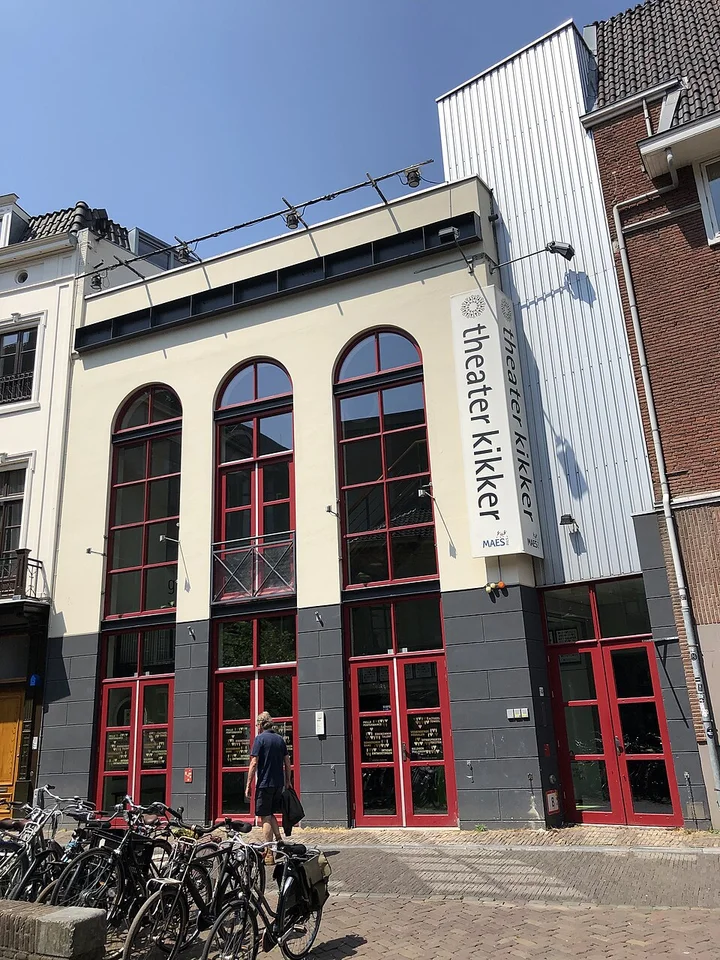
At Utrecht’s Theater Kikker, choreographer and dancer Abdoulaye Trésor Konaté approaches the subject through a tiny bird. His solo Humming-Bird / Colibri draws on a legend about a hummingbird confronting obstacles despite its size. The venue describes a work concerned with responsibility for the living world and the meaning of a small individual act in the face of larger change. A spectator can approach the solo through its scale, watching what one dancer can do with the space available.
That offers a different starting point from a map, the image raised in the university’s outline of Pather’s lecture. A map chooses a projection and a viewpoint. A theatre programme makes choices about which artists travel, who introduces them and what audiences know before a performance begins. By giving the curator a place in the programme, Afrovibes opens those choices to discussion alongside the work on stage.
A body can carry a record
The University of Amsterdam has scheduled two conversations for 2 October. The first brings Nadia Beugré from Côte d’Ivoire, Yonela Makoba from South Africa and Fatou Cissé from Senegal into a discussion of embodied knowledge, lineage and the griot tradition. It poses a specific possibility. When land is lost or left behind, people may retain histories through movement and practice as well as through written or material records.
The second session turns to extraction and citation, including how people acknowledge the sources of ideas from the Global South. For an audience moving between a university room and a theatre, the question is practical. A programme can name a choreographer while leaving the lineage of a gesture unexplained. The conversation gives artists a place to decide what belongs in that account. Visitors can watch the October performances with a question that survives the journey between venues: whose knowledge makes this movement possible?