- The UN General Assembly designated 1 October as International Coffee Day in March 2026.
- Ethiopia, Brazil, Indonesia and Italy were among the countries represented at the Rome event.
- FAO estimates up to 25 million farmers depend on the coffee sector for their livelihoods.
Inside this story 1 perspectives
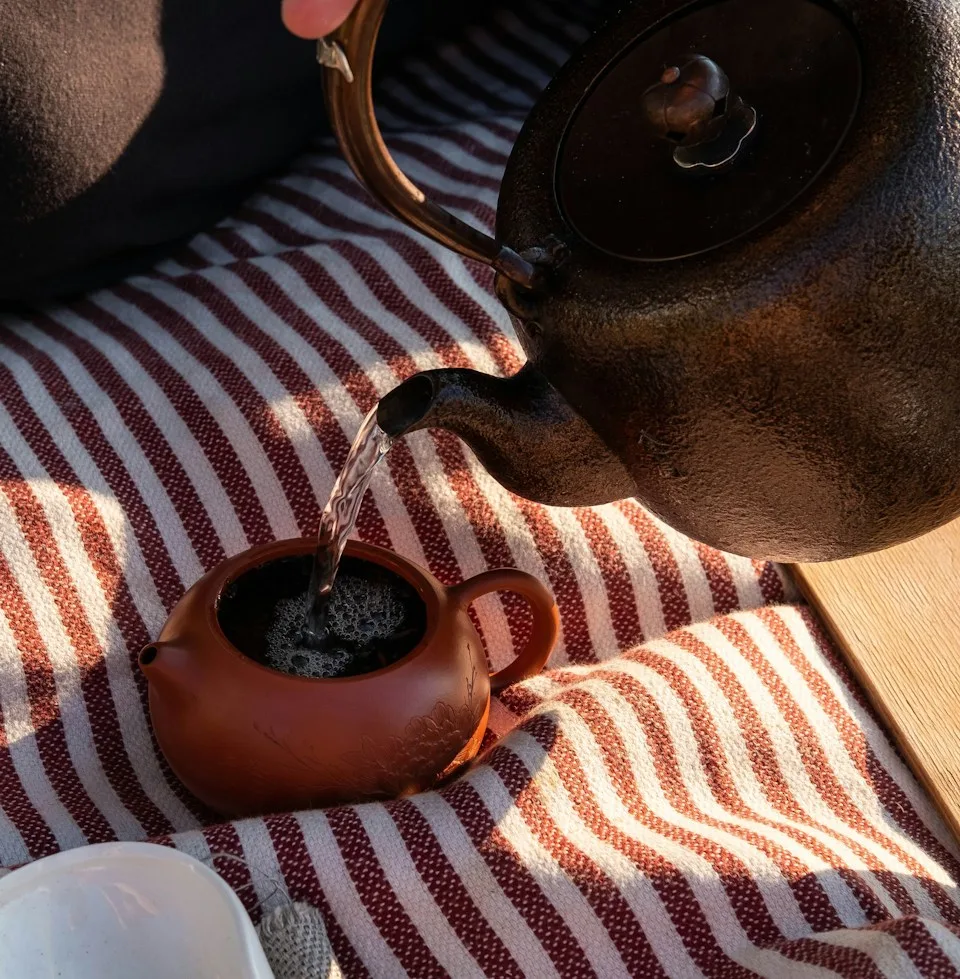
A coffee can be handed across a counter in seconds. In an Ethiopian coffee ceremony, a visitor may be present while the beans are roasted, ground and brewed. That difference in time helps explain why the first United Nations observance of International Coffee Day on 1 October devoted part of its programme to preparation and hospitality. At the Food and Agriculture Organization's headquarters in Rome, countries offered tastings alongside demonstrations, exhibitions and stories about the people who make the drink possible.
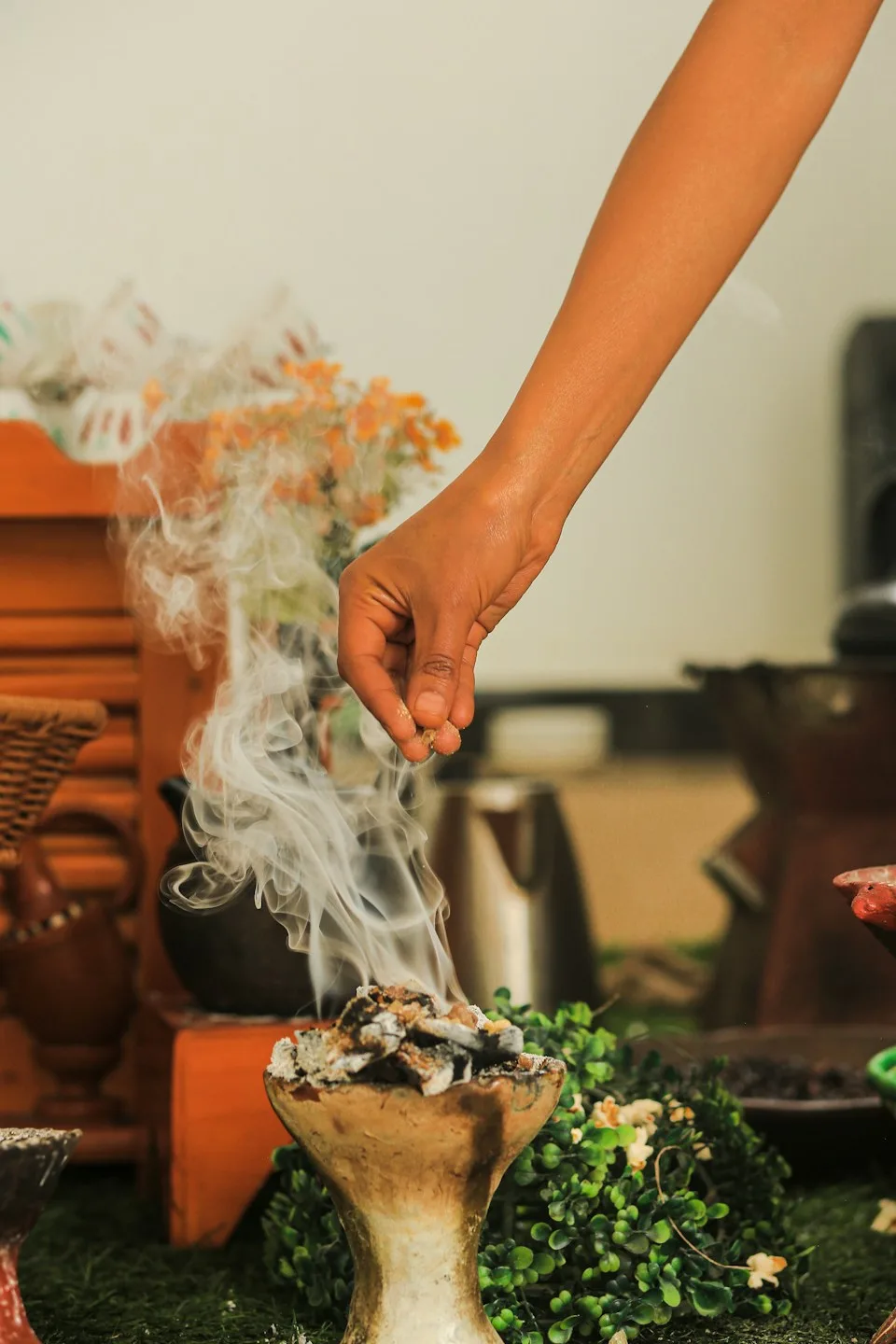
Ethiopia was among the countries represented, alongside Brazil, Indonesia and Italy. In a UNESCO account of Ethiopian coffee traditions, guests gathering for a feast can bring sugar, spices or snacks such as toasted seeds and popcorn. Fresh greenery or flowers may mark the welcome. The host roasts the beans and allows the aroma to reach the guests before grinding them. The rounded terracotta pot known as a jebena and the small cups are part of a sequence in which waiting together is an activity in its own right.
Coffee in Ethiopia can also be taken on a small stool in a city street while neighbours exchange news. A formal occasion and a quick conversation are different uses of the same drink. Holding them together avoids turning a living tradition into a set of ceremonial instructions that every household must follow.
A cup with work behind it
The FAO estimates that coffee supports the livelihoods of up to 25 million farmers worldwide, and that smallholders account for as much as 80% of coffee farms. These are estimates about people and farms, not a claim that smallholders produce the same percentage of global volume. Brazil and Viet Nam together accounted for nearly half of world coffee production in 2024, according to the agency. The importance of a producer to the world supply and the importance of a harvest to one household are quite different measures.
The UN General Assembly designated 1 October as International Coffee Day in March 2026. The new UN status builds on a drink with a far older social life. In Rome, the programme incorporated a tasting, preparation demonstrations in the food laboratory and a museum tour across coffee cultures. For a visitor, each offered a different question to ask of a cup: where its beans grew, who prepared them and what an invitation to drink means in a particular place.
A person who buys a coffee may be buying a convenient pause between appointments. A guest can receive the drink as part of a longer exchange in which the host gives time as well as ingredients. The scale of a global trade and the intimacy of a shared pot are both present in the observance. The useful starting point is often whichever person pours first.