- Canada’s Theatre Museum announced its inaugural season on 20 October.
- Free public previews are planned for December, before a January 2027 official opening.
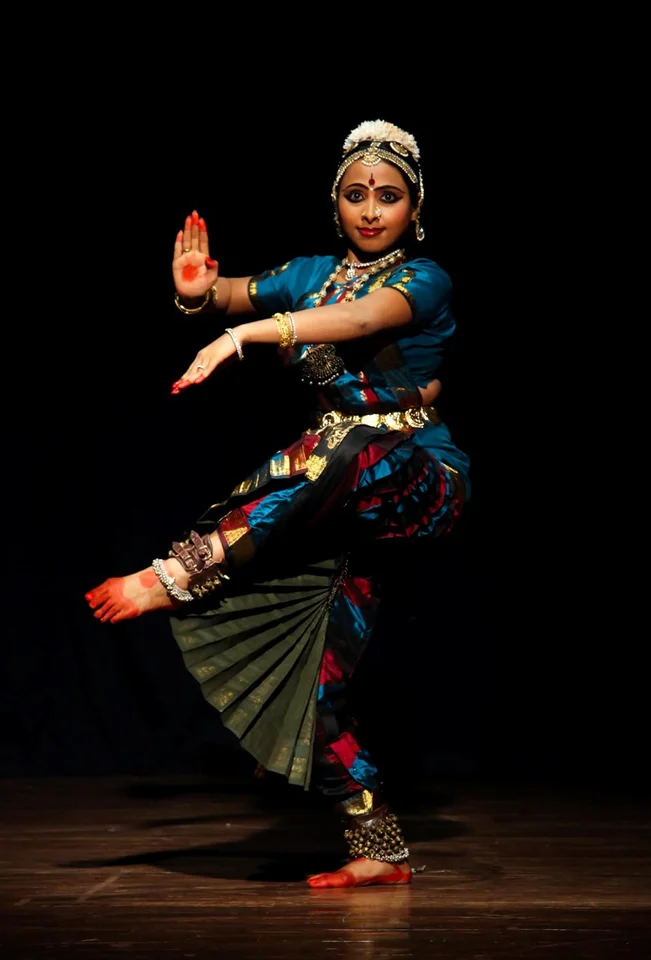
- Nova Dance is curating the first spotlight exhibition on the evolution of Bharatanatyam in Canada.
Inside this story 2 perspectives
How does a museum keep the history of a movement that exists only while somebody is making it? The first spotlight exhibition in the inaugural season of Canada’s Theatre Museum takes on that question through Bharatanatyam, the Indian classical dance form that successive generations of artists have practised and reinterpreted in Canada.
On 20 October the museum announced plans to open to the public in January 2027 in a permanent home inside Toronto’s Elgin and Winter Garden Theatres. Free previews are planned for December. The dance exhibition, Bodies of Memory, is scheduled to start in that preview period. A museum that has previously worked through pop-ups and special events will gain a place where visitors can return regularly.
What a dancing body leaves behind
Nova Dance is curating Bodies of Memory. The announced material includes objects, images and video, with conversations and live demonstrations also planned. Each gives a visitor a different way to understand the work. A photograph can hold a posture still long enough to examine its shape. A recording restores the time taken to arrive there. An artist demonstrating a movement can decide to repeat it or explain an aspect that someone in the room has missed.
Putting the history of Bharatanatyam in Canada first also allows the museum to start with a specific question about artistic transmission. What happens when a practice takes root somewhere new, when one generation teaches the next and when artists draw on different performance settings? The answer can accommodate continuity and change within the work of the same dancer.
Which stories enter the collection?
The museum has announced six spotlight exhibitions for the season, alongside feature and foundational displays. The plans include a look at half a century of theatre for young audiences with Theatre Direct Canada, as well as work on Black Canadian theatre and contemporary dance. A feature on Christopher Plummer will give audiences another point of entry into performance history.
A separate open call invites first-person stories, photographs and memories from people who worked onstage or behind it. Those accounts are to appear in the museum and online. A production known to audiences through the name above the title is also remembered by the people who organised the tour, built the scenery or solved a problem during a performance. The proposal gives those accounts a way into the public record.
The Toronto address supplies continuity of another sort. A visitor who sees a dance demonstration in December may return later for an account of youth theatre or a history of satire. Across those visits, the museum can test a question it puts at the centre of its plans. Who has the authority to describe a performance once the audience has gone home and the stage has been cleared?