- The 40th St. Stephan Alpabfahrt was scheduled for Saturday, 12 September.
- Four parties of decorated animals and herding families were expected between 11.30am and 2pm.
- Swiss alpine farming links summer grazing, land maintenance and cheesemaking to the village events at the season’s ends.
Inside this story 2 perspectives
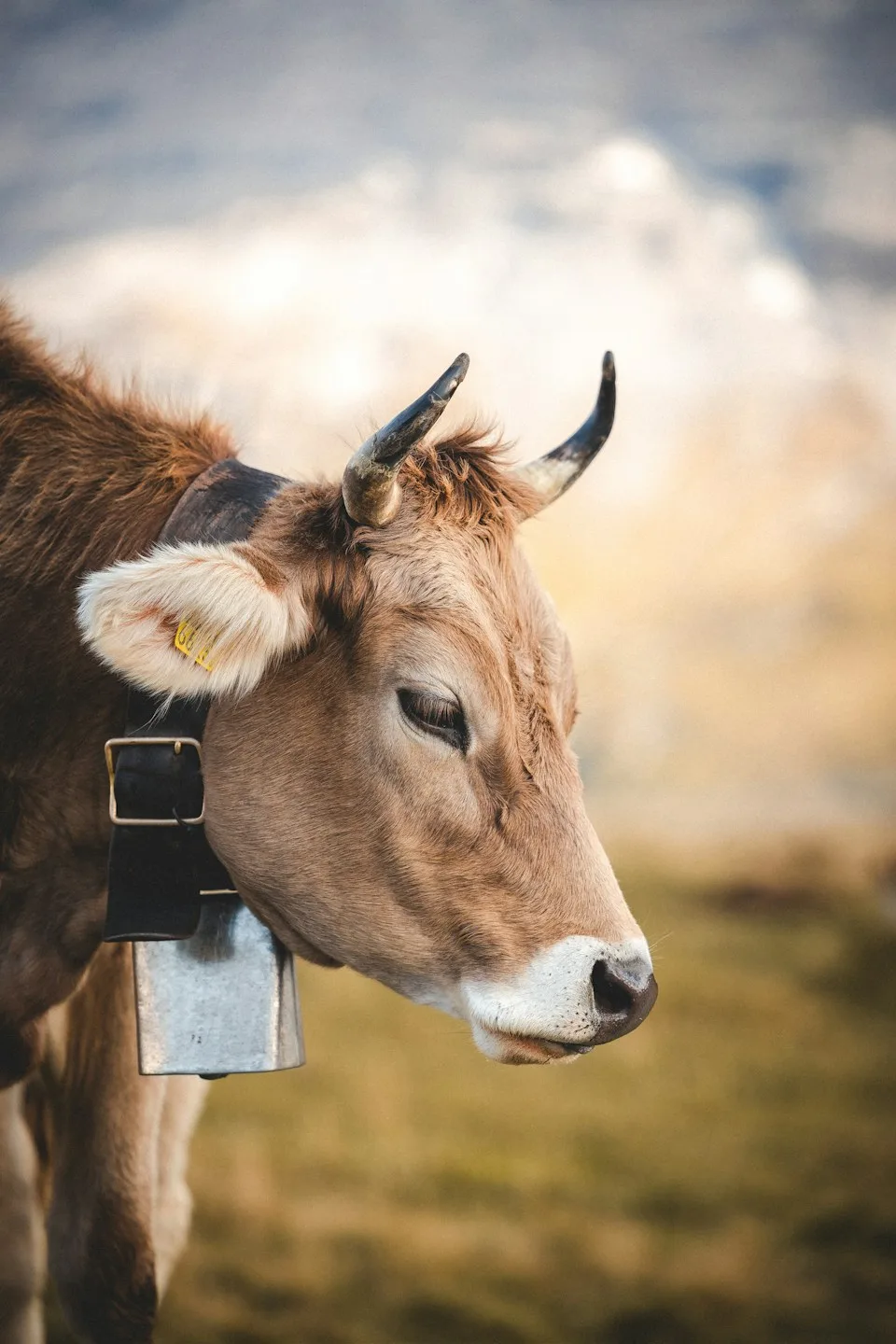
The decorated animals at St. Stephan’s Alpabfahrt come with a generous arrival window. Four groups of cows and goats, accompanied by the families who work with them on the high pasture, were expected in the Swiss village between 11.30am and 2pm on Saturday, 12 September. The fortieth edition of the public celebration has a programme and a festival tent. Its central performers are finishing a journey they would need to make anyway.
The descent from the Dürrenwald pasture marks the end of summer grazing. Across Switzerland, cattle, sheep and goats travel to higher ground to take advantage of forage that would otherwise lie beyond the reach of village herds. People travel with the animals. The Swiss Federal Office of Culture describes work that ranges from managing pasture and repairing fences to caring for buildings and turning milk into cheese.
A season behind every bell
The first distinction for a visitor is between the age of this particular event and the age of the practice it celebrates. A fortieth organised descent at St. Stephan can take place within a system of alpine farming documented for centuries. One number tells the audience when a village began counting a public occasion. The other history belongs to the land and the people who make a living by moving through it.
The cheese demonstration on the day’s programme also belongs to that working story. Milk is perishable. Making cheese on the pasture changes what can be stored and carried, and leaves the people there with a product of the highland season to bring home and sell. The tools, buildings and skills needed to do that work are part of the same tradition as the flowered animals in the procession. Most are much less likely to appear in a photograph of the descent.
Leave time between arrivals
A local preview described four separate groups and the families walking with them. There is a pleasure in that interval at the roadside. It gives a spectator time to notice which people are guiding the animals, how a herd moves together and what changes when goats come into view. It also puts the village’s market and music in the spaces between arrivals, instead of asking the audience to watch one uninterrupted parade.
The programme scheduled a further celebration in the evening, including the village yodelling club and a quartet. For a visitor deciding when to come, the choice concerns what they want to see. The daytime event brings the working herds back into the valley. The evening gathering gives the people of St. Stephan time to celebrate forty editions together after the animals have come home.