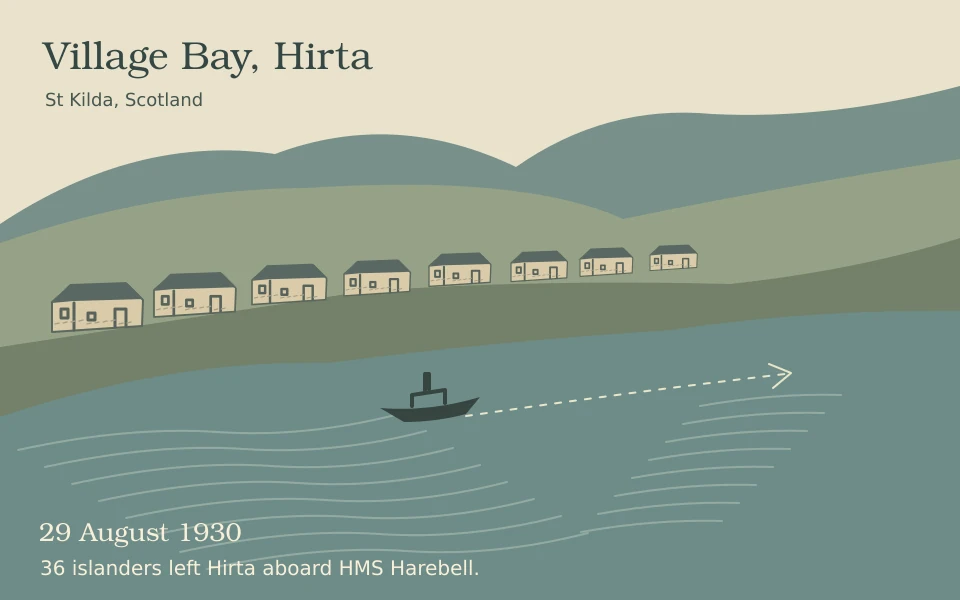
- The 96th anniversary of the community’s evacuation fell on 29 August.
- Twenty islanders signed the May 1930 petition asking for help to resettle on the mainland.
- Visitors now reach the small pier in Village Bay by boat, close to where the islanders departed.
Inside this story 2 perspectives
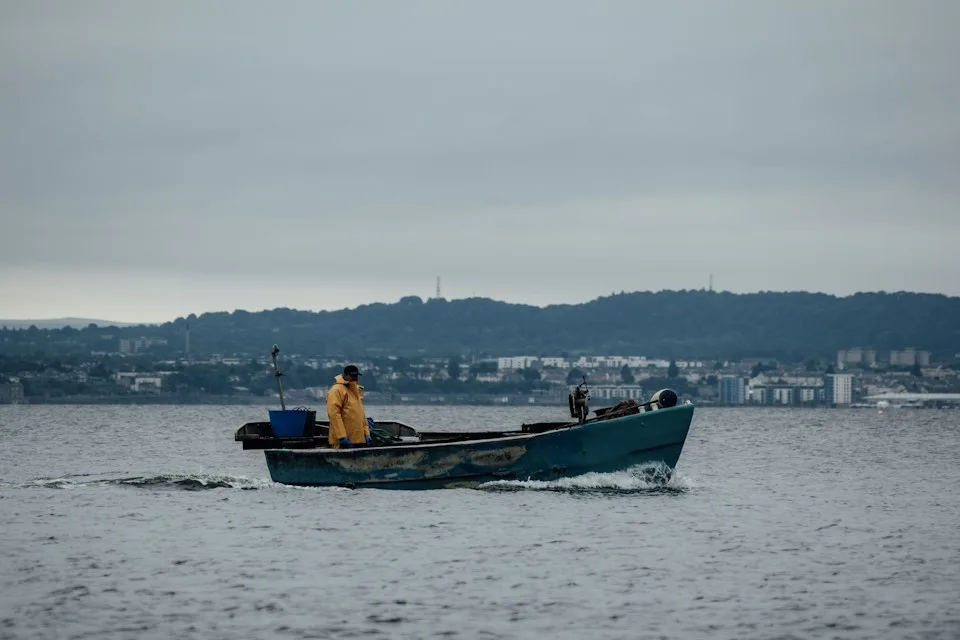
Boats visiting St Kilda arrive at the small pier in Village Bay, on Hirta, the largest island in the Scottish archipelago. For most passengers, the water behind them represents the difficult part of a memorable day out. For the 36 islanders who left from the bay on 29 August 1930, the direction of travel had a very different meaning. This weekend marked 96 years since the voyage that ended their community’s permanent residence there.
The most revealing preparation for a visit is a document that can be read on the mainland. On 10 May 1930, twenty islanders petitioned the government for help to leave. They described what it would mean if several men who planned to go were no longer there to tend sheep, weave and help support other members of the community. One household’s decision to leave changed what was possible for the neighbours who might otherwise have stayed.
A village with a working calendar
The language of an abandoned island can make the passage of time feel sudden. St Kilda’s difficulties stretched across decades. Thirty-six people had emigrated to Australia in 1852. Food shortages and illness later put a small community with irregular communications under extraordinary pressure. During the First World War a naval presence on Hirta brought regular supplies and post. The end of those services meant the loss of a connection people had come to rely on.
After the winter of 1929–30, illness and deaths made the difficulty of reaching medical care painfully concrete. Scotland's national records preserve names, addresses and family relationships. They make it possible to read a reference to a numbered house as the home of particular people who needed help. The petition itself asked for assistance with resettlement. Leaving together did not mean everyone wanted to be settled as a separate community elsewhere.
Seeing the bay from the other direction
The islanders travelled aboard HMS Harebell, and most went ashore at Lochaline. A present-day visitor approaching by charter boat can look across the same bay and readily imagine isolation. It takes more effort to picture the islanders’ connections to people, markets and medical services off the island, and the consequences when those links failed.
The National Trust for Scotland advises that boat trips are available from operators in the Western Isles, Skye and the mainland. Paths on Hirta are uneven, and the trust describes significant access difficulties for people with limited mobility. Private boats must follow measures designed to keep unwanted animals off the island. It is worth checking those details before choosing a crossing. Equally worth doing is reading the petition first. The buildings at Village Bay then answer a different question when they come into sight. What did it take for people to sustain a life here together?