- Six estates form one World Heritage property across the two islands.
- The inscription recognises the structures of forced labour and migration as well as agricultural production.
- Local arrangements determine access to specific buildings and areas.
Inside this story 2 perspectives
What would you choose to look at first on a former cocoa plantation? A grand house is an obvious answer. So is the equipment that helped turn a crop into an export. The World Heritage inscription awarded to São Tomé and Príncipe in July asks visitors to widen that view. The six places recognised together preserve the outlines of a labour system. The distances between where people lived, worked and exercised authority are part of the exhibit.
Meeting in Busan, the UNESCO World Heritage Committee inscribed a group of six roças, or Portuguese colonial plantation estates, spread across the islands of São Tomé and Príncipe. News agency Lusa reported the decision on 26 July. It is the country’s first entry on the World Heritage List. Comoros and South Sudan also gained their first entries at this session, a milestone that UNESCO highlighted on 28 July.
The reason six places share an entry
Monte Café, Água Izé, Diogo Vaz, São João, Sundy and Belo Monte form one listed property with six separate parts. In heritage terms the unit of interest is bigger than any single building. Fields, facilities used to process crops, places to live and facilities serving the settlement all occupied assigned places. Read together, these surviving arrangements explain how production was organised and whom it was organised around.
UNESCO identifies forced migration and forced labour as central to the history. A system designed to supply international buyers with coffee and cocoa endured after the formal abolition of slavery. The inscription focuses on the late nineteenth to the mid-twentieth century. That span matters. It resists the comfortable assumption that a date in a law book necessarily describes the day working life changed for the people making an export economy possible.
For a visitor, an ordinary walk can hold more information than a single ornate doorway. Where is the processing area in relation to living quarters? Which buildings occupy the most conspicuous ground? What work would be invisible in a photograph taken only from the front of the main residence? These are questions to bring to a guide, and an invitation to listen when people who know the site describe it differently.
What a travel itinerary can leave room for
The decision recognises six components across two islands. It does not tell a traveller which buildings are currently open, safe to enter or appropriate to photograph. Those are questions for local hosts when arranging a visit. Treating a settlement as a collection of empty monuments risks overlooking anyone who lives or works there today. A visitor can ask permission, set aside time for a local account and distinguish between a public viewpoint and someone’s doorstep.
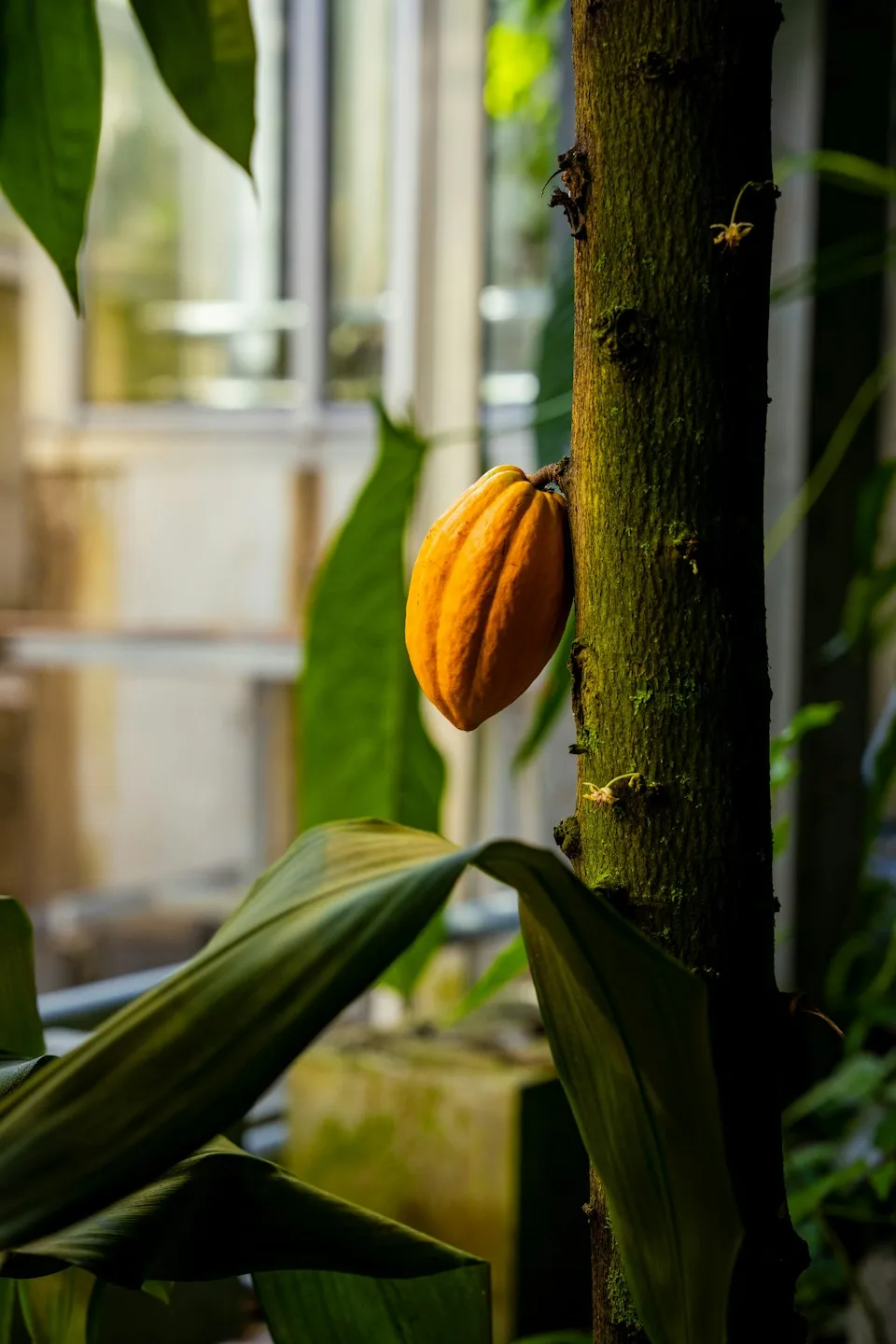
The most revealing souvenir of the trip may be a revised picture of the commodities themselves. A coffee bean or piece of chocolate usually arrives with the earlier stages of its journey neatly edited out. On these islands, parts of that story still occupy physical space. The new inscription gives a traveller a reason to pay attention to how each of those spaces connects to the next.