- Project Maverick brought aviation, technology and creative leaders together in Cape Town on 22 October.
- Cape Winelands Airport’s current programme targets construction in 2027 and commissioning in 2029.
- The commercial opportunity depends on delivery, workable access and meaningful participation by local businesses.
Inside this story 3 perspectives
An airport’s business story begins well before a passenger reaches the departure gate. It runs through the transport that gets them there, the systems that keep operations moving and the businesses they encounter along the way.
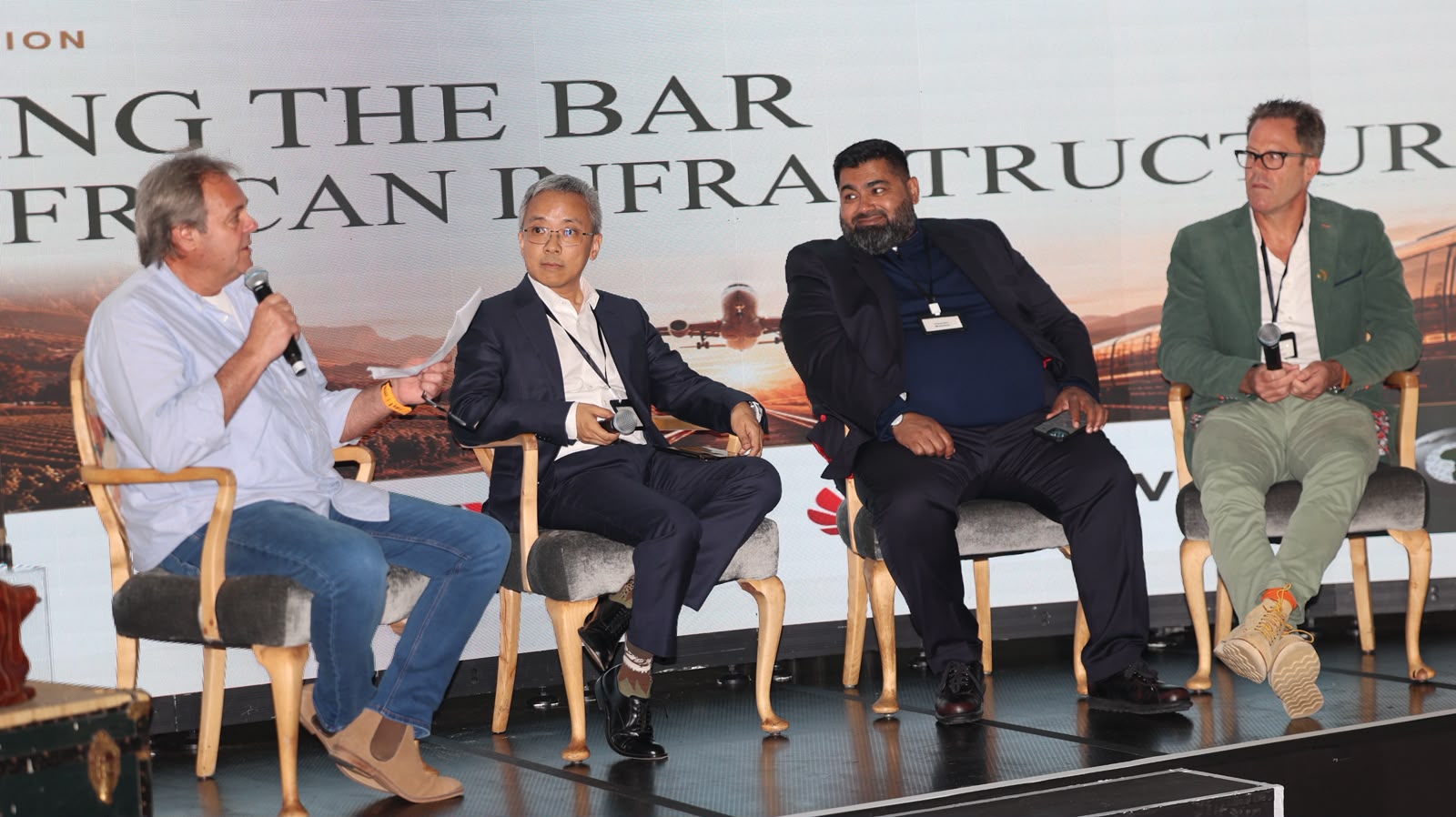
That wider view connected the conversations at Runway to Railway: Project Maverick, held at Cape Town’s Vineyard Hotel on 22 October. The platform, conceived by Connected Group founder Anna K Hecart, brought aviation, technology and creative perspectives together under the theme Simply Connect Africa.
Dirk Ackerman moderated a panel with RSA Aero’s Nicholas Ferguson, BCX’s Hasnain Motlekar and Huawei South Africa’s York Ning. Their discussion placed airport development alongside the digital capabilities needed to make infrastructure useful. Closing speaker Gavin Rajah brought African design and retail into the picture.
Cape Winelands makes the opportunity tangible
The planned expansion of the former Fisantekraal Airfield near Durbanville gives this conversation a substantial local context. The City of Cape Town describes a phased commercial airport development with a 3.5-kilometre runway and precincts accommodating passenger services, cargo, maintenance and other supporting activities.
The City’s published plans target 1.7 million to 2.5 million annual passengers by 2032 in the first phase. Those are planning projections, not confirmed demand. The airport’s own current programme places construction in 2027 and full commissioning in 2029; both remain development targets.
For readers watching tourism and trade, the question is how the surrounding services develop with that capacity. A new terminal creates possibilities. Its commercial value depends on the routes, access, operating reliability and customer experience that follow.
Where African businesses could fit
Beyond Business’s view is that the opportunity deserves a broader lens than construction alone. Technology providers can think about operational problems that need solving. Hospitality and transport businesses can examine the journeys passengers would make. Designers, food producers and retailers can consider how a place expresses its identity through what it offers.
Rajah’s emphasis on African creativity matters here. The practical challenge is to translate cultural visibility into workable commercial participation: appropriate space, clear selection processes and terms that a growing business can sustain. An attractive display is a beginning; a viable route to market is the more valuable outcome.
The delivery questions still matter
Environmental management remains part of the story. A PHS Consulting notice gives registered interested and affected parties until 16 November to comment on specified post-authorisation documents, including noise, water and dust management plans. That process concerns management conditions following authorisation; it is not a new airport opening announcement.
Runway to Railway is also a collaboration platform, rather than confirmation of a funded airport rail connection. Organisers have announced plans for an expo in November 2027 to extend the discussion across transport, infrastructure and technology.
The measure to watch is what these connections produce: services people can use, partnerships that survive beyond an event and local businesses able to participate on practical terms. That is where an airport project becomes a wider economic story.